

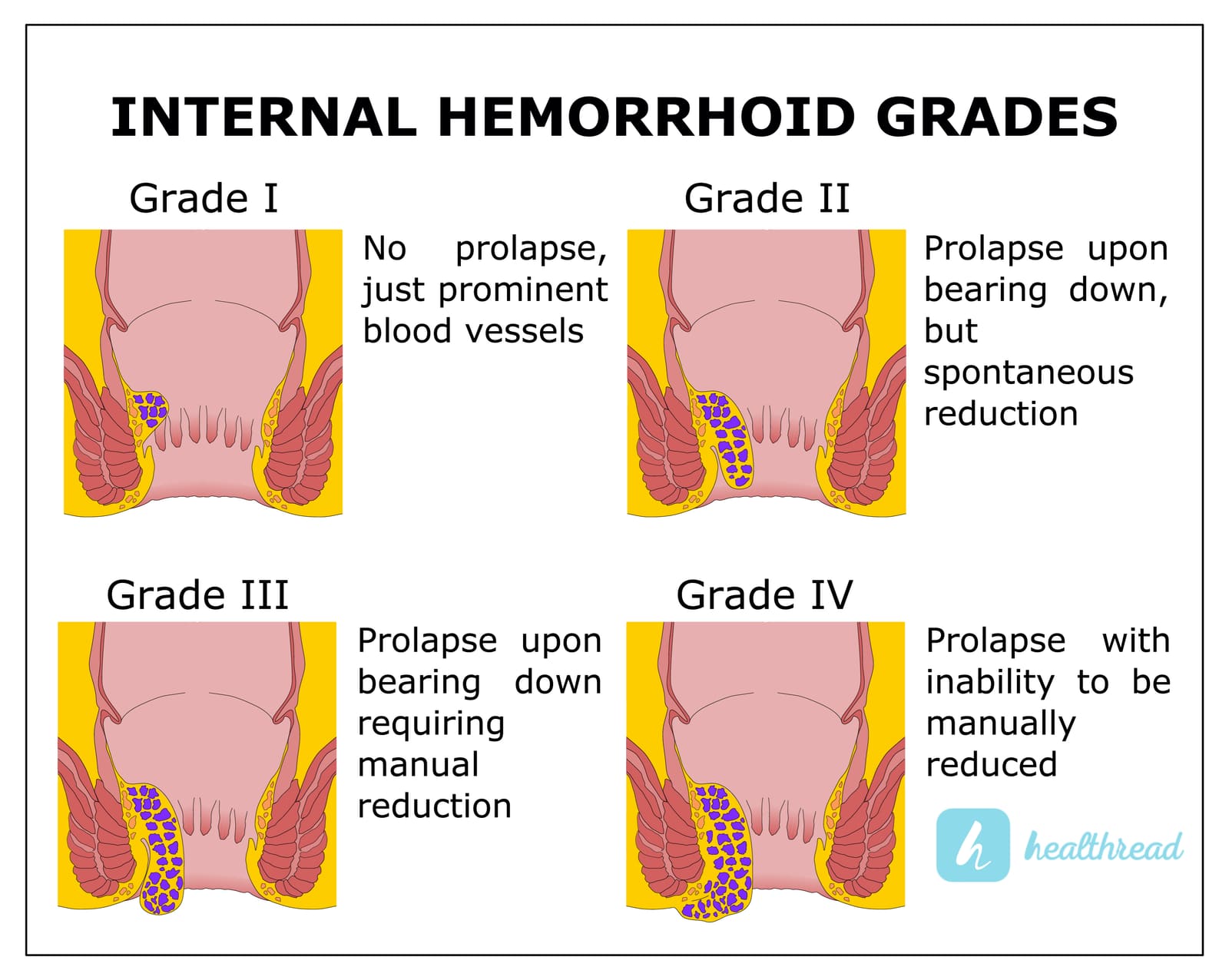
Hemorrhoids, also known as piles, can seem like an embarrassing concern to bring up to your doctor. But this health issue is so much more common than you may realize. In fact, Mayo Clinic reports that about 3 out of 4 adults will have hemorrhoids at some point in their lifetime!
Many people with hemorrhoids will experience only mild and temporary symptoms. But for some, hemorrhoids can become persistent and painful. Plus, hemorrhoids can present like other, more serious health complications—so consulting with your doctor can be an important step for your comfort, safety, and well-being.
Keep reading to learn some important facts about hemorrhoids, including what you can do to find relief and when you should visit your physician.
What Are Hemorrhoids?
A hemorrhoid is a swollen, bulbous vein in your lower rectum and anus. It's similar to a varicose vein that you may see on your legs.
Two types of hemorrhoids exist:
- Internal hemorrhoids develop inside the rectum
- External hemorrhoids develop beneath the skin near the anus
Hemorrhoid Signs and Symptoms
Hemorrhoid signs and symptoms can be different from person to person, especially depending on whether a person has external or internal hemorrhoids.
People with external hemorrhoids may notice swelling, pain, bleeding, itching, and irritation in the anal area. Internal hemorrhoids don't usually cause any noticeable signs or symptoms, but if they become irritated during defecation a person might experience painless bleeding (e.g., bright red blood on toilet paper or in the toilet bowl). Sometimes, internal hemorrhoids can also protrude through the anal opening, which can be painful.
In some cases, blood can start to pool inside an external hemorrhoid and cause a clot, which can lead to symptoms like inflammation, severe swelling or pain, or the sensation of a hard lump near the anus.
Causes of Hemorrhoids
We've already learned hemorrhoids are very common, affecting as many as 75% of the adult population. You might be wondering why they're so common.
Generally speaking, anything that increases pressure on the veins in and around your anus or rectum and causes them to bulge or swell can lead to hemorrhoids. Specific causes or risk factors vary for different people, but they may include:
- Pregnancy
- Obesity
- Chronic gastrointestinal issues, like diarrhea or constipation
- Sitting for a long time on the toilet
- Excessive straining during bowel movements
- A diet that's low in fiber
- Anal intercourse
- Frequent heavy lifting
Increasing age is also a known risk factor for hemorrhoids, due to age-related changes to tissues supporting the veins in the rectum and anus.
What to Do If You Have Hemorrhoids
First things first: if you have bright red blood in your stool that doesn't go away after about a week, call your doctor. Rectal bleeding can be caused by conditions other than hemorrhoids, including colorectal cancer. This is why it's important to get checked out by a medical professional to rule out other conditions and confirm a diagnosis of hemorrhoids (typically done via visual inspection or a digital rectal exam).
If you do have hemorrhoids (or would like to avoid them), you can start by implementing some healthy lifestyle practices, including:
- Eating a high-fiber diet rich in fruits, veggies, and whole grains
- Drinking plenty of fluids
- Going to the bathroom as soon as you feel the urge to do so, and not straining nor holding your breath when defecating
- Exercising regularly and not sitting for too long
All of these simple practices can reduce stress on the veins in your anus and rectum, therefore preventing hemorrhoids or alleviating their symptoms.
Depending on the severity and type of your hemorrhoids, you and your doctor may also opt for some formal treatment options, including oral or topic pain relievers, warm baths or sitz baths (which fit over the toilet), or suppositories.
Surgery is rarely necessary for hemorrhoid treatment but may be used in people with persistent painful and bleeding hemorrhoids that don't get better with other remedies. Surgical interventions may include external hemorrhoid thrombectomy (done to remove hemorrhoids that contain blot clots), laser surgery to coagulate and shrivel the hemorrhoid, or rubber band ligation to cut off its circulation so that it will wither and fall off.
Have a favorite at-home remedy that has helped you find hemorrhoid relief?
It's time to normalize asking questions and sharing tips about common health concerns! Feel free to share your experience with hemorrhoids in the comments or on our new Healthread app today, and connect with us to let us know what topics you'd like to learn more about in the future.
Sources
General information, not medical advice
This article can't account for your health history or current treatment. Talk to a qualified clinician before you change anything about your care.
Read our medical disclaimer →
On this page
What Are Hemorrhoids?
Hemorrhoid Signs and Symptoms
Causes of Hemorrhoids
What to Do If You Have Hemorrhoids
Have a favorite at-home remedy that has helped you find hemorrhoid relief?
Sources
Put what you read to work
Track your medicines, check a symptom and talk with people managing the same condition, all in Healthread.
Get the app
Keep reading
Beauty and Anti-Aging
Gastric Balloon for Weight Loss
The gastric balloon weight loss procedure is a new FDA-approved minimally invasive bariatric procedure for treating obesity. It is a temporary procedure that involves placing a saline-filled silicone balloon in the…
June 19, 2025 · 3 min read
Beauty and Anti-Aging
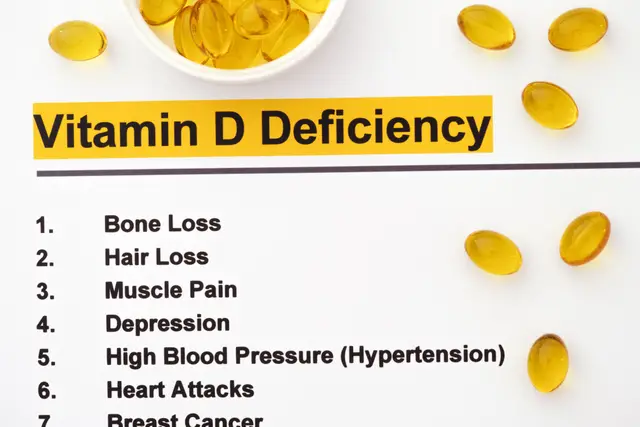
Vitamin D Deficiency
Also known as the sunshine vitamin, vitamin D is an essential nutrient that is naturally absorbed by the skin through exposure to sunlight. It can also be obtained from dietary sources and supplements.
December 30, 2024 · 3 min read
Beauty and Anti-Aging
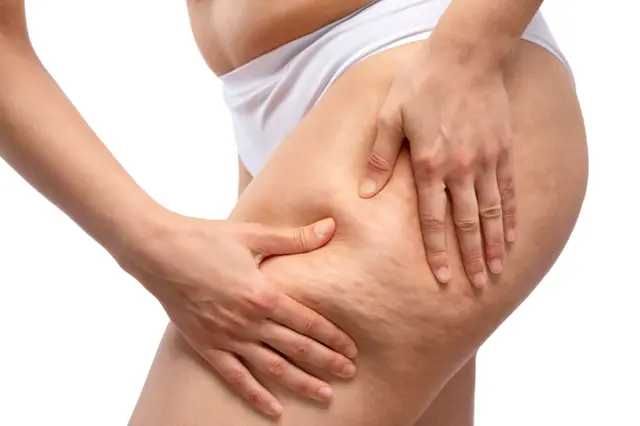
Cellulite
Cellulite appears with an orange peel or cottage cheese-like texture with a dimpled or lumpy skin surface. Mild cellulite is visible when you pinch the area with cellulite, like the thighs. Severe cellulite can make the…
August 13, 2024 · 3 min read


© 2026 Healthread
English · Español
Healthread does not provide medical advice, diagnosis or treatment. Always speak to a qualified clinician about your care.