

Hemorrhoids - the Common Problem Nobody Wants to Talk About
March 9, 2023
4 min read
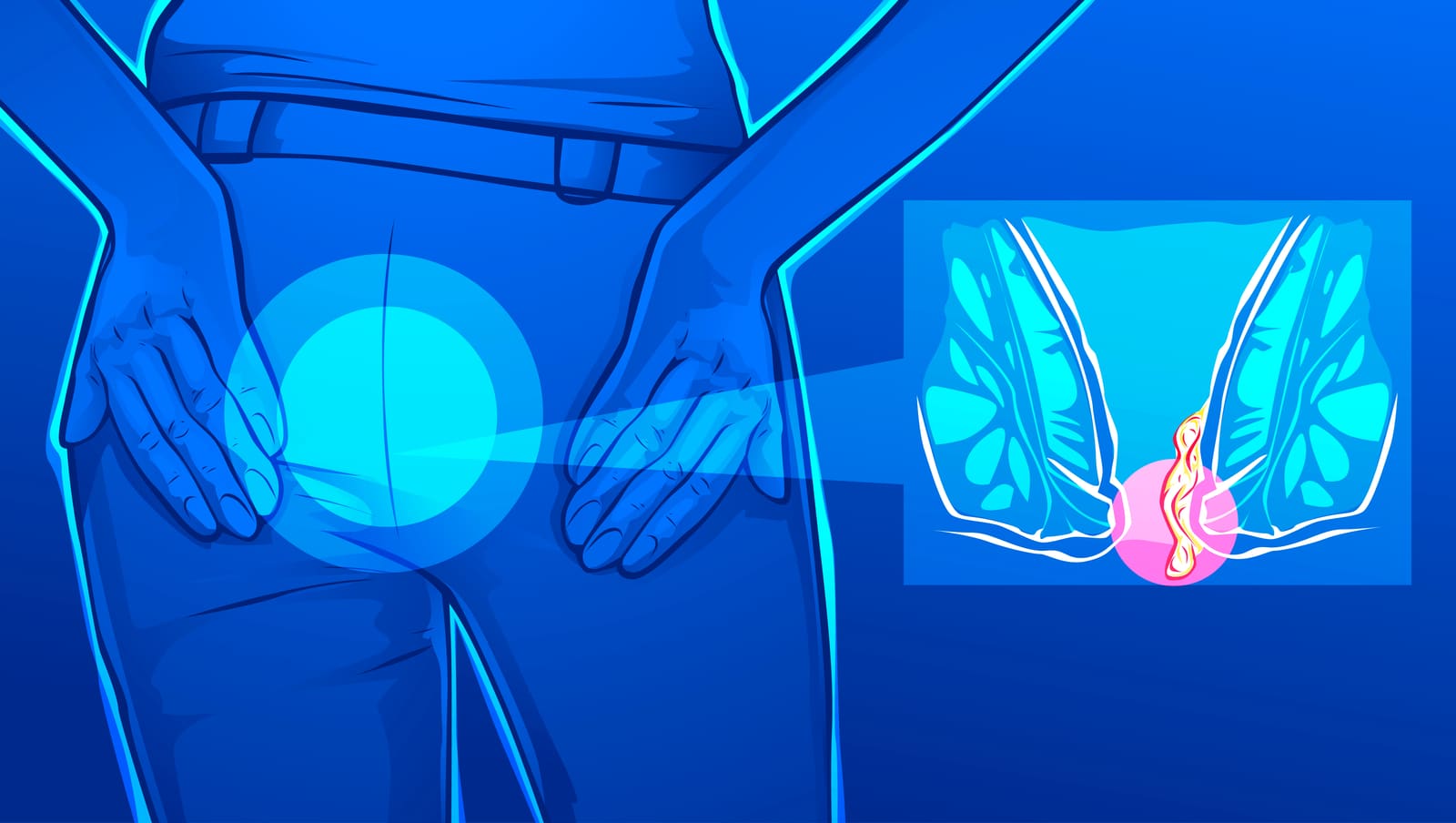
Almost nobody wants to talk about hemorrhoids, but they are one of the most common gastrointestinal issues in the United States.
Common in both men and women, hemorrhoids affect about 20 percent of Americans. Hemorrhoids become more common with age, About half of all people over the age of 50 have hemorrhoids, according to the National Institutes of Health.
Also known as piles, hemorrhoids are swollen or inflamed veins around the anus or in the lower rectum. Their proximity to the anus and genitals makes hemorrhoids a rather embarrassing topic.
Types and Symptoms of Hemorrhoids
There are two main types of hemorrhoids: external and internal. Each type causes slightly different symptoms.
External hemorrhoids
External hemorrhoids form under the skin around your anus. Symptoms of external hemorrhoids include:
• Irritation or itching near your anus
• Discomfort or pain in the anal area
• Swelling near your anus
• Bright red bleeding
Blood can pool in an external hemorrhoid to form a clot, also known as a thrombus. Doctors refer to this as a thrombosed hemorrhoid. It can cause symptoms, such as:
• Severe pain
• Inflammation and swelling
• A hard lump near your anus
Internal hemorrhoids
Internal hemorrhoids form in the lining of your anus and lower rectum. You usually cannot feel them, although sometimes the internal hemorrhoid can push through the anal opening to cause irritation or pain.
Symptoms of internal hemorrhoids include painless bleeding during bowel movements – you may notice bright red blood on the toilet paper.
Causes and Risk Factors for Hemorrhoids
While a number of things can cause hemorrhoids, the exact cause of someone’s hemorrhoids may be unknown.
Some people are more likely to develop hemorrhoids than are others. You are more likely to get hemorrhoids if you:
• Strain during bowel movements
• Sit on the toilet for a long time
• Have chronic diarrhea or constipation
• Eat a diet that is low in fiber
• Are older than 50
• Are pregnant
• Frequently lift heavy objects
Hemorrhoids can cause complications. Blood clots can develop in external hemorrhoids, for example, and skin tags can develop from the extra skin left behind when the blood clot dissolves. Strangulated hemorrhoids can occur when the anal muscles cut off the blood supply to an internal hemorrhoid that has slipped through the anal opening.
How to Treat Hemorrhoids at Home
If talking about your hemorrhoids embarrasses you, you will probably be glad to know that you probably don’t have to tell anyone – you can treat most cases of hemorrhoids at home. Many of the home treatments also double as preventive measures.
Eat foods high in fiber
Fiber adds bulk to stool, which makes stool move faster through the colon. Fiber-rich foods include fruits, vegetables, beans, and whole grains. Aim for 25 to 30 grams of fiber every day, either from food or from fiber supplements.
Take a stool softener or a fiber supplement
Softer stools are easier to pass and require less straining. Like fiber, stool softeners add bulk to your stool.
Use laxatives as a last resort. Laxatives stimulate the muscles lining your gut, which forces stool to come out; this stimulation can worsen hemorrhoids. Laxatives are also habit-forming, so regular use of laxatives will make you dependent on them.
Drink enough fluids every day
Fluids soften stool and prevent constipation. Aim for 6 to 8 cups of water each day.
Don’t strain during bowel movements
Pushing too hard to pass stool puts pressure on the veins in your rectum or anus.
Don’t sit on the toilet for more than a couple of minutes
The shape of a toilet seat puts extra pressure on your anus and rectum. Elevating your feet a bit with a step stool as you sit on the toilet can change the position of your rectum enough to alleviate this pressure. Limiting toilet time to 1 to 2 minutes can also help.
Take over-the-counter products
Non-prescription acetaminophen, ibuprofen and aspirin can temporarily relieve discomfort. Over-the-counter hemorrhoid creams, ointments and suppositories can relieve symptoms of external hemorrhoids.
Take warm baths or sitz baths
Warm water shrinks and soothes irritated hemorrhoidal tissue. Take several warm baths or sitz baths each day when hemorrhoids occur.
When Should I Seek the Care of a Doctor for Hemorrhoids?
If you experience bleeding during a bowel movement, seek the care of a doctor. You may also need medical care if your hemorrhoids do not respond to home care after a week. Never assume that bleeding is due to hemorrhoids, especially if your bowel habits have changed, or if the color or consistency of your stool has changed. These signs and changes may indicate a condition other than hemorrhoids.
For more information about hemorrhoids, or if you have active bleeding or slow-healing hemorrhoids, speak to your doctor. You may feel embarrassed, but try to keep in mind that doctors talk about hemorrhoids and other uncomfortable topics affecting “unmentionable” parts of the body all the time.
General information, not medical advice
This article can't account for your health history or current treatment. Talk to a qualified clinician before you change anything about your care.
Read our medical disclaimer →
Put what you read to work
Track your medicines, check a symptom and talk with people managing the same condition, all in Healthread.
Get the app
Keep reading

Beauty and Anti-Aging
Gastric Balloon for Weight Loss
The gastric balloon weight loss procedure is a new FDA-approved minimally invasive bariatric procedure for treating obesity. It is a temporary procedure that involves placing a saline-filled silicone balloon in the…
June 19, 2025 · 3 min read
Beauty and Anti-Aging
Vitamin D Deficiency
Also known as the sunshine vitamin, vitamin D is an essential nutrient that is naturally absorbed by the skin through exposure to sunlight. It can also be obtained from dietary sources and supplements.
December 30, 2024 · 3 min read
Beauty and Anti-Aging
Cellulite
Cellulite appears with an orange peel or cottage cheese-like texture with a dimpled or lumpy skin surface. Mild cellulite is visible when you pinch the area with cellulite, like the thighs. Severe cellulite can make the…
August 13, 2024 · 3 min read


© 2026 Healthread
English · Español
Healthread does not provide medical advice, diagnosis or treatment. Always speak to a qualified clinician about your care.