

Water is one of our basic requirements for survival and living a healthy life. You’ve probably been told throughout your life to drink more water. Not enough of this vital substance can result in dehydration, headaches, heat stroke (in hot environments), kidney stones, constipation, and in extreme cases, death, along with a long list of other problems and unpleasant effects.
What you may not know is that too much water isn’t a good thing either. You may have heard too much of anything (or too much of a good thing), is bad. Unfortunately, this applies to water as well.
Recently, water consumption reached the headlines as Chris Pratt revealed his exercise routine, nutrition, and daily water consumption. Vanity Fair reported that Chris Pratt consumes one ounce of water for every pound he weighs every day, due to a recommendation from his nutritionist. For anyone, this would seem like overkill, but with a big guy like Chris Pratt, the amount of water borders on the absurd.
This reporting resulted in concern as doctors mentioned that consuming this much water could result in something known as water intoxication, a condition that many people have never heard of.
So should you be worried about overhydrating and getting water intoxication? What even is it and what are the causes and symptoms? Below, we’ll answer all of these questions and more, so put down that drinking glass and (safely) dive into the figurative waters of overhydration as we discuss this mysterious subject.
What is water intoxication?
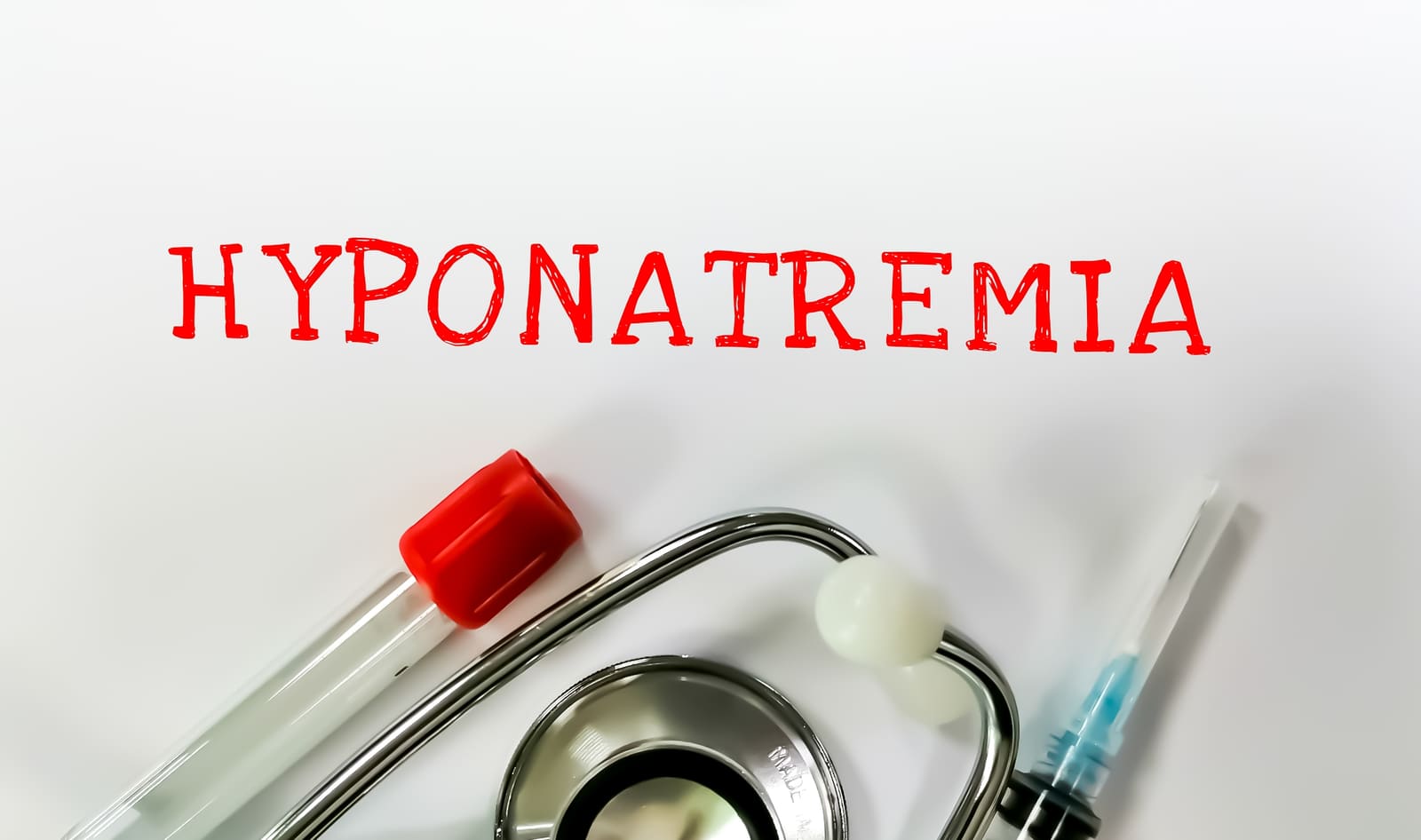
Water intoxication, sometimes referred to as hyponatremia, is an uncommon condition caused by drinking too much water. Specifically, hyponatremia means that the sodium level in the blood is below normal. When you overhydrate and have hyponatremia, your kidneys are unable to process the large quantity of water, causing a slew of ill effects.
What are the effects of water Intoxication?
Besides inhibiting the kidney’s ability to eliminate water, overhydrating like this also causes a disruption of brain function. What follows is the blood being flooded by too much water, diluting essential electrolytes like sodium.
When sodium levels sink below 135 millimoles per liter, a person is said to have hyponatremia. Because sodium is a vital electrolyte that supports the balance of fluids inside and out of cells, falling below this level can result in the cells swelling to abnormal sizes. When brain cells begin to swell, the consequences are dangerous and can even be fatal.
What are the symptoms of overhydration?
If you drink a lot of water on a daily basis you probably thought that it was one of the healthy things you had going for yourself. That is likely still the case, overhydration and hyponatremia are rare, so don’t stop hydrating.
- Headache
- Double vision
- Confusion and/or unable to identify sensory data
- Vomiting and nausea
- Fatigue, drowsiness, and loss of energy
- Irritability and restlessness
- Muscle weakness, cramps, and spasms
- Seizures
- Coma
How does overhydration happen?
Overhydration is very rare. As we discussed, it shouldn’t even be a concern for most people. Drinking a lot of water is important, but overdoing it may be difficult or unpleasant for many people.
Instances of water intoxication generally occur due to psychiatric disorders, forced water intake (often as a form of child abuse), and unintentional overhydration by a doctor or healthcare professional due to the introduction of fluids that do not contain enough solutes for the blood (iatrogenic infusion of hypotonic fluids).
- Schizophrenia
- MDMA/ecstasy
- Diuretics (medications that make your body produce more urine)
- Antipsychotic drugs
Conditions that cause your body to retain water may also be responsible for overhydration, including:
- Kidney issues
- Congestive heart failure (CHF)
- Liver disease
- Uncontrolled diabetes
- Syndrome of inappropriate antidiuretic hormone (SIAH)
- Non-steroidal anti-inflammatory drugs
So if you’re thinking that you or someone you know may be overhydrating, chances are they’re not. As you can see, overhydration isn’t something that just happens to anyone.
Takeaway
You can continue drinking now if you like. Water intoxication while serious isn’t something that most people have to worry about. Just going about your daily life drinking lots of water will almost certainly not lead to overhydrating and hyponatremia. So don’t use it as an excuse to drink less water.
On the other hand, if you have someone in your life who has been warning you about the ill effects of too much water, send this article to them to let them know that unless you fall into any of the categories under “How Does Overhydration Happen?”, you’re in no danger.
Sources
- 1healthline.com/health-news/why-health-experts-say-drinking-as-much-water-as-chris-pratt-can-be-dangerous
- 2ncbi.nlm.nih.gov/pmc/articles/PMC4027093/#:~:text=Water%20intoxication%2C%20also%20known%20as,infusion%20of%20excessive%20hypotonic%20fluid
- 3medicalnewstoday.com/articles/318619
- 4mayoclinic.org/diseases-conditions/hyponatremia/symptoms-causes/syc-20373711
- 5e-apem.org/journal/view.php?doi=10.6065/apem.2013.18.2.95
- 6healthline.com/health/overhydration
General information, not medical advice
This article can't account for your health history or current treatment. Talk to a qualified clinician before you change anything about your care.
Read our medical disclaimer →
On this page
What is water intoxication?
What are the effects of water Intoxication?
What are the symptoms of overhydration?
How does overhydration happen?
Takeaway
Put what you read to work
Track your medicines, check a symptom and talk with people managing the same condition, all in Healthread.
Get the app
Keep reading
Beauty and Anti-Aging
Gastric Balloon for Weight Loss
The gastric balloon weight loss procedure is a new FDA-approved minimally invasive bariatric procedure for treating obesity. It is a temporary procedure that involves placing a saline-filled silicone balloon in the…
June 19, 2025 · 3 min read
Beauty and Anti-Aging
Vitamin D Deficiency
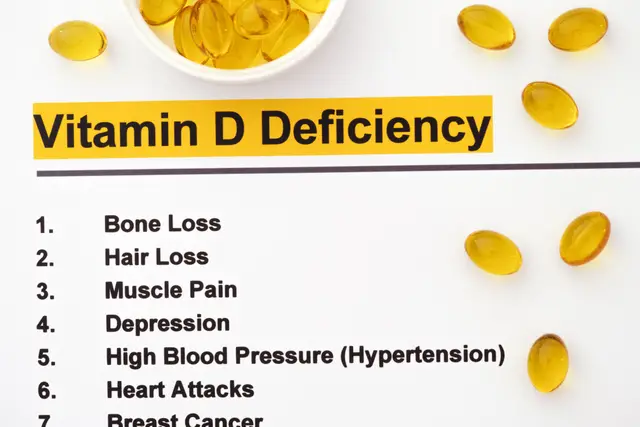
Also known as the sunshine vitamin, vitamin D is an essential nutrient that is naturally absorbed by the skin through exposure to sunlight. It can also be obtained from dietary sources and supplements.
December 30, 2024 · 3 min read
Beauty and Anti-Aging
Cellulite
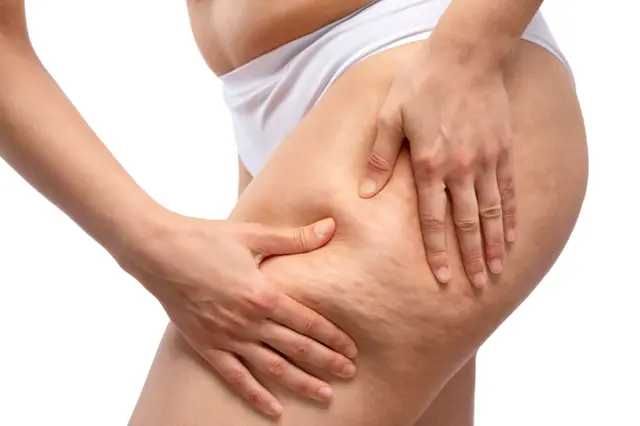
Cellulite appears with an orange peel or cottage cheese-like texture with a dimpled or lumpy skin surface. Mild cellulite is visible when you pinch the area with cellulite, like the thighs. Severe cellulite can make the…
August 13, 2024 · 3 min read


© 2026 Healthread
English · Español
Healthread does not provide medical advice, diagnosis or treatment. Always speak to a qualified clinician about your care.