

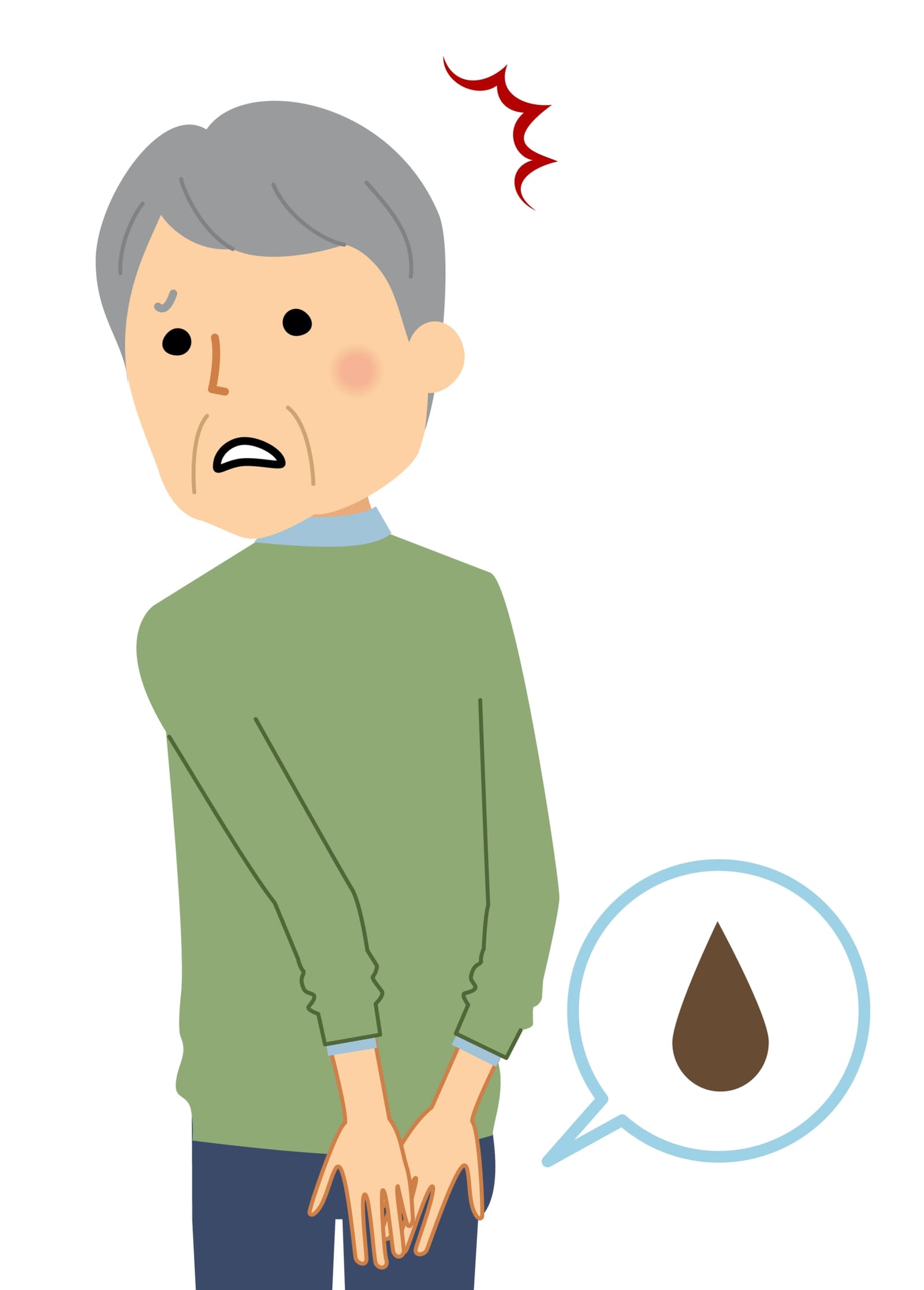
Bowel or bladder incontinence is where you have an issue holding in your stool or urine. You might have an unwanted passage of stool or urine you're unable to control. This can be stressful to cope with. Learning more about these problems and consulting with your doctor to come up with a treatment plan can help.
Causes of Bowel and Bladder Incontinence
In order for your bowel and bladder to properly function, certain body nerves have to control the proper muscles to tell them when to contract and release for you to have the ability to release your urine or stool when you need to. This occurs when your spinal cord nerves send signals from your brain to your sphincter and bladder muscles to control your urine flow. Your rectum and anus muscles control your bowels and the release of your stool is controlled by your sphincter muscles.
Urinary Issues
Various conditions could impact your muscles and nerves that control your bowel and bladder and result in potential incontinence and dysfunction.
For your bladder, these conditions are:
- Troubles controlling your sphincter muscles
- Overactive bladder
- Urine retention (holding urine too long)
Bowel Issues
Fecal incontinence means when you need to make a bowel movement, you might not make it to the bathroom in time. When passing gas, you might "leak" a little.
Conditions that could increase your risk for fecal incontinence are:
- Constipation
- Diarrhea
- Vaginal childbirth
- Nervous system damage from injury or disease
- Rectocele (your rectum pushes into your vagina)
- Rectal prolapse (your rectum protrudes into your anus)
- Poor health
Types of Bowel and Bladder Incontinence
There are different types of bladder and bowel incontinence.
1. Stress Incontinence
Stress incontinence occurs when:
- Your muscle responsible for squeezing your urethra (the tube that carries your urine from your bladder out your vagina/penis) to keep urine in your bladder is damaged or weak
- If there's been damage to the nerves responsible for helping the muscle
- If you have other changes to the tissues or muscle around it because of cancer treatment or surgery
2. Urge Incontinence
Urge incontinence is also referred to as an overactive bladder. Your bladder muscle squeezes (contracts) too frequently, typically without warning or suddenly and you can't control it. Things like irritation from radiation therapy or bladder infection can cause this. With this type of incontinence, it only takes a very small amount of urine in your bladder to trigger the strong urge to pass urine.
3. Overflow Incontinence
When your bladder has a difficult time emptying as it should and your body makes more urine than it can hold, it's referred to as overflow incontinence. This is typically caused by a narrowing or blockage caused by scar tissue. It also might occur when your bladder muscle can't contract or squeeze good enough to get all your urine out.
Types of Bowel Incontinence
The primary types of bowel incontinence include:
1. Urge Incontinence
This is when you feel the urge to pass stool but you need to rush in order to make it on time.
2. Passive Incontinence
When you have the urge to open your bowels. You're not aware that your rectum is full and needs to be emptied and can't control your bowel movements consciously, therefore your stool passes without your knowledge.
3. Flatus (Wind) Incontinence
When you feel your rectum filling, but the nerves of your body can't tell if it's wind or stool.
4. Overflow Incontinence
When you leak watery stool caused by a hard stool blockage. You might mistake this for diarrhea.
5. Rectal and Anal Incontinence
You can't control your anal sphincter and rectal canal muscles. Your rectum nerves are damaged, therefore you have leakage or control problems.
Treatment for Bowel or Bladder Incontinence
Some common types of treatments include:
1. Changes in food or beverage: You can manage constipation and diarrhea more effectively by increasing your fiber intake. Drink a lot of fluids which can also help ease constipation and at certain times avoiding drinking fluids can help manage urinary incontinence and an overactive bladder.
2. Medications: Certain medications could help control bowel incontinence. For instance, you can manage diarrhea with antidiarrheal medications. There are other medications that help relax your bladder muscles, giving you better control.
3. Kegel exercises: These help strengthen your pelvic floor and sphincter muscles, giving you better control.
4. Maintain a bathroom schedule: Setting yourself a routine schedule to use the toilet could help provide you with better control. You should try to move your bowels or urinate at the same time every day.
5. Electrical stimulation: This is a therapy meant for stimulating damaged nerves. It might provide you with better muscle control in your bowel or bladder.
6. Surgery: You might need surgery, in rare cases, to repair damage to nerves or muscles.
Your doctor will work closely with you to come up with a plan of treatment.
Foundations and Societies
There are different foundations and societies you can look into for help and resources for bowel and bladder incontinence. Some include:
- The Simon Foundation for Continence: Known throughout the world for its tireless efforts and innovative educational projects on behalf of individuals with loss of bowel and bladder control.
- Foundation Physical Therapy: Committed to helping individuals reach total functional capacity through professional and personal excellence.
- Heart & Stroke: Fights against stroke, heart disease, and related conditions in Canada. Bladder and/or bowel incontinence can happen to people who have had a stroke.
Latest Insights on Incontinence Bowel and Bladder
- Botox: Treatment for incontinence has come a long way. These days, you have a few options for addressing the various types of incontinence. The FDA approved Botox in January 2013 for treating overactive bladder in individuals who didn't experience any improvement with traditional incontinence drugs.
- Mirabegron: A newer medication for overactive bladder is mirabegron (Myrbetriqu). It works differently than anticholinergic medications like oxybutynin, fesoterodine, and solifenacin. It relaxes your bladder muscle to help enhance bladder capacity instead of preventing unwanted bladder contractions.
- Oxybutynin: Also in January 2013, oxybutynin (Oxytrol) was approved by the FDA as the first OTC patch for treating women's overactive bladder.
- Procon: One minimally invasive device, the Procon incontinence device, was recently approved by the FDA.
- Now available or coming soon is a FDA-approved OTC option for treating stress urinary incontinence as well as a few surgical and office-based treatment systems for fecal and urinary incontinence.
Have You Found Relief for your Bowel or Bladder Incontinence?
If you haven't found a way of relieving your symptoms of bowel or bladder incontinence or if you're in the middle of treatment, you don't have to go through it alone. Many Healthread users also searching for ways to improve their health, including many dealing with similar bowel and bladder incontinence symptoms like yourself.
Together, you can connect, share stories and insights, read articles, make posts, and be a part of a great community. Healthread is a type of collaborative social media platform designed for people like you to share information with others about similar health issues or interests.
Sources
General information, not medical advice
This article can't account for your health history or current treatment. Talk to a qualified clinician before you change anything about your care.
Read our medical disclaimer →
On this page
Causes of Bowel and Bladder Incontinence
Urinary Issues
Bowel Issues
Types of Bowel and Bladder Incontinence
1. Stress Incontinence
2. Urge Incontinence
3. Overflow Incontinence
Types of Bowel Incontinence
1. Urge Incontinence
2. Passive Incontinence
3. Flatus (Wind) Incontinence
4. Overflow Incontinence
5. Rectal and Anal Incontinence
Treatment for Bowel or Bladder Incontinence
Foundations and Societies
Latest Insights on Incontinence Bowel and Bladder
Have You Found Relief for your Bowel or Bladder Incontinence?
Sources
Put what you read to work
Track your medicines, check a symptom and talk with people managing the same condition, all in Healthread.
Get the app
Keep reading
Beauty and Anti-Aging
Gastric Balloon for Weight Loss
The gastric balloon weight loss procedure is a new FDA-approved minimally invasive bariatric procedure for treating obesity. It is a temporary procedure that involves placing a saline-filled silicone balloon in the…
June 19, 2025 · 3 min read
Beauty and Anti-Aging
Vitamin D Deficiency
Also known as the sunshine vitamin, vitamin D is an essential nutrient that is naturally absorbed by the skin through exposure to sunlight. It can also be obtained from dietary sources and supplements.
December 30, 2024 · 3 min read
Beauty and Anti-Aging
Cellulite
Cellulite appears with an orange peel or cottage cheese-like texture with a dimpled or lumpy skin surface. Mild cellulite is visible when you pinch the area with cellulite, like the thighs. Severe cellulite can make the…
August 13, 2024 · 3 min read


© 2026 Healthread
English · Español
Healthread does not provide medical advice, diagnosis or treatment. Always speak to a qualified clinician about your care.