

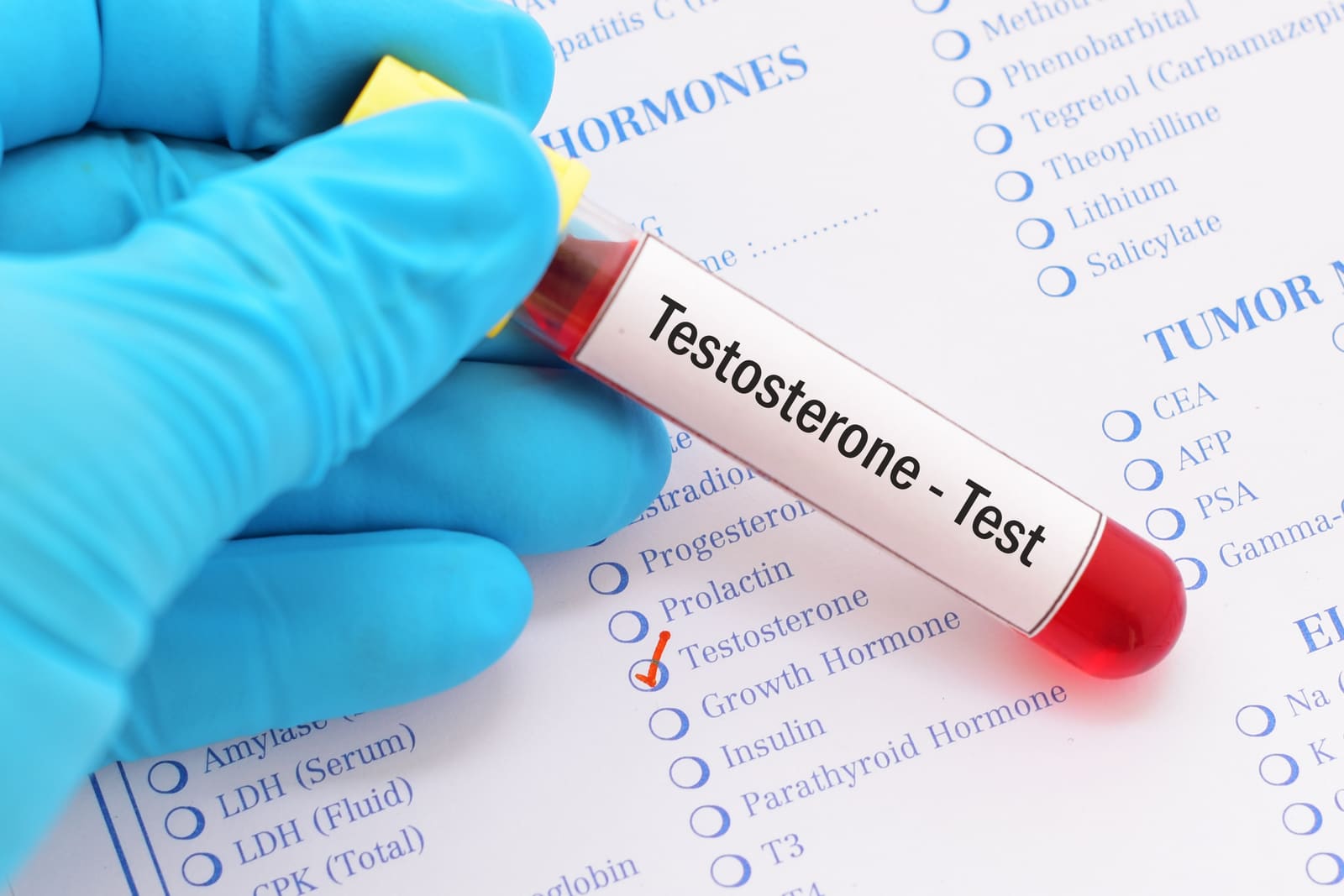
It’s not just men that have testosterone, women have testosterone too. This powerful hormone is tasked with a variety of important functions for everyone, regardless of age — or sex! It plays a vital role in sex drive, promotes muscle growth, increases energy levels, and regulates sperm production.
Due to its essential functions in the body, it’s worth checking out if you think your testosterone levels are out of whack.
So how do you know if your testosterone levels are normal? And how can low testosterone affect you? Are there ways to increase testosterone levels? Below, we’ll answer all of these questions and more.
What is Low Testosterone?
Testosterone is produced in the testicles and ovaries. For males, testosterone levels are very important for ensuring normal functions and sexual development. Testosterone levels vary depending on age and never disappear completely. Testosterone peaks between ages 25 and 29 and often decreases at or around age 30 for men.
Low testosterone, or low T, in young boys can result in problems with sexual development and masculinization. With low T, they may not go through puberty the same way other boys do. For example, they may not grow facial hair, their voice may not deepen, their genitals may not enlarge, and they may experience lower libido.
Low testosterone doesn’t just render physical problems, in fact, it can also cognitive health and function.
Females also require certain levels of testosterone to maintain a normal and healthy body and mind. However, males require far more testosterone than females do.
Symptoms of Low Testosterone
For males, low testosterone can result in the following:
- Hair loss
- Fragile skin
- Less muscle
- Reduced libido
- Concentration and memory issues
- Mood disturbances
In females, low testosterone can result in:
- Low libido
- Fertility issues
- Reduced bone density, or osteoporosis
- Vaginal dryness
- Irregular or missed periods
Causes of Low Testosterone
There are many potential causes of low testosterone including:
- Infection or injury to the testicles
- Diseases and tumors of the pituitary gland
- Diabetes
- High cholesterol
- Obesity
- Long-term use of some medications like opioids
- HIV and AIDS
It’s not uncommon for people to have low testosterone and their healthcare professional can’t pin it on a specific cause. It’s common for older men to have low testosterone, even if the reason is unknown. Luckily, there are treatments for it.
Treatment of Low Testosterone
If you or your doctor suspects you have low testosterone, they will first test you to measure the testosterone levels in your blood.
Normal levels of testosterone in males are 300 to 1,000 nanograms per deciliter (ng/dl) and 15 to 70 ng/dl for females.
Treatment will depend on what’s causing low testosterone levels. For example, if it’s an infection or injury, treatment of the infection or injury may help return testosterone to normal levels. If you’re overweight, you may regain normal testosterone levels by exercising more, improving your diet, and losing weight.
Testosterone therapy may be an option if changes to your lifestyle aren’t applicable or effective.
High Testosterone
While low testosterone is far more common for men, high testosterone comes with its problems too. High testosterone can result in early puberty or growth spurts. In all sexes, it can result in obesity, metabolic disorders, and infertility.
Takeaway
Testosterone is a vital hormone for all sexes. When it’s at the right level it influences both our bodies, minds, and our sexual development. However, when these levels fall below or exceed normal levels, problems can occur. If you believe you may have high or low testosterone, you should speak with a healthcare professional.
Sources
- 1mountsinai.org/health-library/tests/testosterone#:~:text=Normal%20Results&text=Male%3A%20300%20to%201%2C000%20nanograms,0.5%20to%202.4%20nmol%2FL
- 2urmc.rochester.edu/encyclopedia/content.aspx?contenttypeid=167&contentid=testosterone_total
- 3webmd.com/men/features/keep-testosterone-in-balance
- 4auajournals.org/doi/10.1097/JU.0000000000002928
- 5pubmed.ncbi.nlm.nih.gov/36282060/
- 6healthline.com/health/low-testosterone/testosterone-levels-by-age
- 7medicalnewstoday.com/articles/323085
- 8health.harvard.edu/staying-healthy/testosterone--what-it-does-and-doesnt-do#:~:text=Testosterone%20is%20the%20major%20sex,production%20of%20testosterone%20in%20men
- 9urologyhealth.org/urology-a-z/l/low-testosterone
- 10healthline.com/health/what-is-testosterone
General information, not medical advice
This article can't account for your health history or current treatment. Talk to a qualified clinician before you change anything about your care.
Read our medical disclaimer →
On this page
What is Low Testosterone?
Symptoms of Low Testosterone
Causes of Low Testosterone
Treatment of Low Testosterone
High Testosterone
Takeaway
Put what you read to work
Track your medicines, check a symptom and talk with people managing the same condition, all in Healthread.
Get the app
Keep reading
Beauty and Anti-Aging
Gastric Balloon for Weight Loss
The gastric balloon weight loss procedure is a new FDA-approved minimally invasive bariatric procedure for treating obesity. It is a temporary procedure that involves placing a saline-filled silicone balloon in the…
June 19, 2025 · 3 min read
Beauty and Anti-Aging
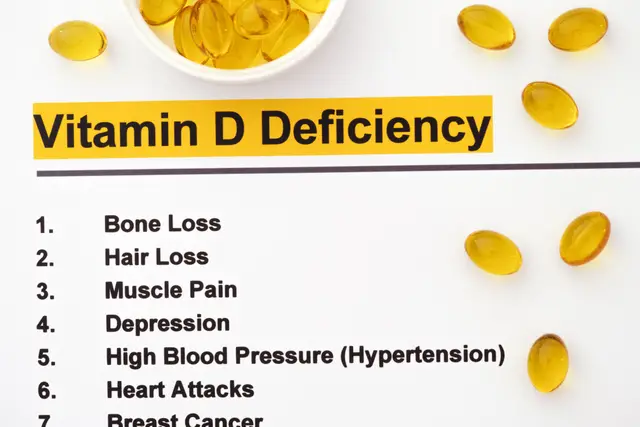
Vitamin D Deficiency
Also known as the sunshine vitamin, vitamin D is an essential nutrient that is naturally absorbed by the skin through exposure to sunlight. It can also be obtained from dietary sources and supplements.
December 30, 2024 · 3 min read
Beauty and Anti-Aging
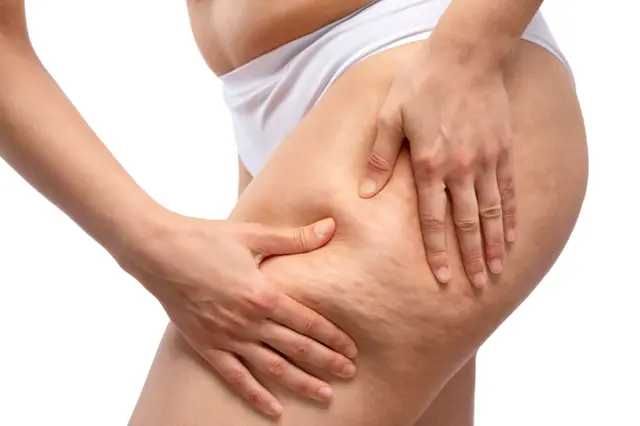
Cellulite
Cellulite appears with an orange peel or cottage cheese-like texture with a dimpled or lumpy skin surface. Mild cellulite is visible when you pinch the area with cellulite, like the thighs. Severe cellulite can make the…
August 13, 2024 · 3 min read


© 2026 Healthread
English · Español
Healthread does not provide medical advice, diagnosis or treatment. Always speak to a qualified clinician about your care.