

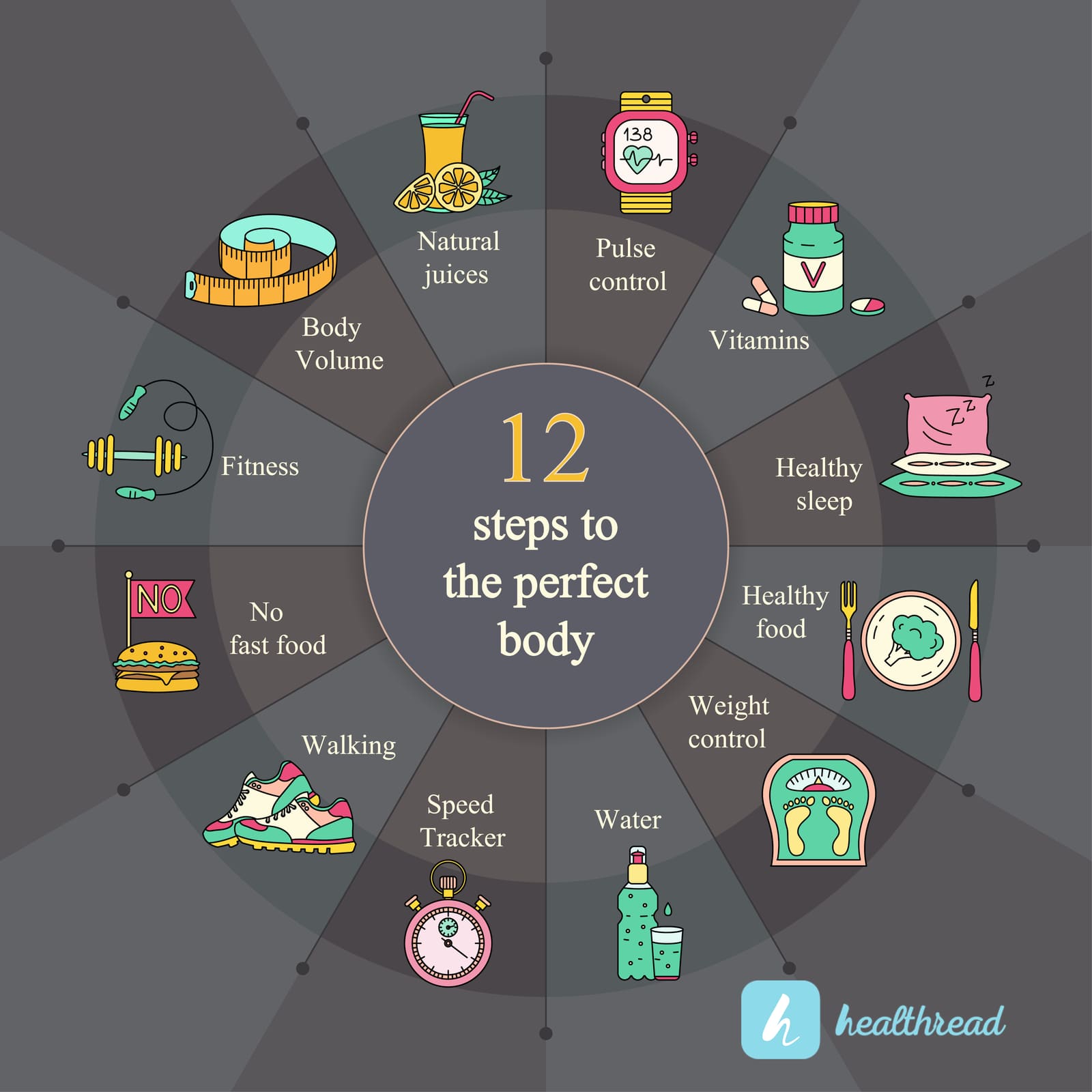
Losing weight over 50 takes more effort than shedding pounds in your youth. Once the weight is lost, keeping it off is also a bit more of a challenge.
The health benefits of weight loss for middle-aged people are overwhelming. Obesity raises the risk of suffering from all types of diseases, ranging from cardiovascular conditions to cancer, diabetes, autoimmune issues, and now, Covid-19. In fact, obesity raises the risk of dying from virtually all causes.
Losing Weight and Menopause
For most women, the early 50s mean the end of fertility and the advent of menopause. Many women start adding on pounds during the perimenopausal period, which may last several years before the menses cease. They enter menopause with more weight than they would like, but the “change of life” makes weight loss more difficult.
During this time, the body may alter the way it stores fat. Instead of women carrying the bulk of fat on their hips and thighs, storage heads toward the abdomen. That’s due to the drop in estrogen levels after menopause. During menopause, a woman’s metabolism also slows.
The Right Diet
Older women need more protein as they age. Muscle mass dwindles over time, and protein consumption is necessary to lessen this muscle mass loss. While a good weight-loss diet contains plenty of fruits and vegetables, it is difficult to obtain adequate protein from a totally plant-based diet. That is why is it wise for women to consume regular amounts of lean meats.
For those who do not eat meat, good sources of protein include:
- Beans
- Eggs
- Nuts
- Quinoa
- Seeds
Menopausal Diets
Low carb diets can help you lose weight while helping to keep your insulin levels low. These diets benefit healthy metabolism.
The Mediterranean Diet is well-known for its reduction in heart disease. It is also a good choice for those trying to lose weight. Specifically, this diet focusing on leafy greens, fish, legumes, nuts, and olive oil can reduce the amount of fat stored in the abdomen.
Keep in mind that these diets are also suitable for men over 50 trying to lose weight. Men go through a similar, albeit less dramatic, change once past 50 known as andropause. Many of the side effects, including weight gain, are the same as for menopausal women.
Get Plenty of Sleep
Not receiving sufficient, quality sleep can affect your weight. For many men and women past 50, this is the era when insomnia becomes a problem. Good sleep reduces the odds of developing insulin resistance, which can make losing weight easier.
The Importance of Exercise
Regular exercise is crucial for losing weight after 50 and keeping the pounds at bay. There are many forms of low-impact exercise that can help you lose pounds and stay healthy.
Walking is one of the best forms of exercise. In addition to taking daily walks, make an effort to walk more as part of your routine. For example, if out shopping, park your car away from the store so you will have further to walk back and forth from your destination Take stairs instead of an elevator or escalator when possible. These small steps can help lead to large weight loss.
Other good choices include swimming, cycling, horseback riding, yoga, and stationary bike or elliptical exercises. You may want to invest in the services of a personal trainer or take formal exercise classes in person or online.
Weight lifting and resistance training will help you build muscle, and maintain that muscle as long as you keep exercising.
Turn Off the Tube
Maybe you’re in the habit of eating meals while watching TV. Try to break that habit. People tend to eat more when sitting in front of the tube.
No Calorie Obsession
Caloric intake is crucial when trying to lose weight. However, obsessing over the caloric content of every meal often proves counterproductive, because you may not compare content properly.
Instead, get processed foods out of your diet and eat only fresh, whole foods. Eliminating low-quality in favor of high-quality meals can help you lose weight even without constant calorie counting.
The Cravings Dilemma
What to do about the cravings that come on when trying to stick to a healthy diet? There are a few ways to handle them without putting your diet at risk. You can try to eat just a small sample, also known as the “few bites” approach. Have a bite or two of the food, then put it away.
Another option is chewing food very slowly. Make an effort to chew all of your food thoroughly, taking a minimum of 30 seconds before grabbing another bite. You might find that your hunger is sated earlier, and you simply want less food.
Cut Out Snacks
Lose weight by sticking to three meals a day and no snacking. If you must snack, choose fruits, nuts, seeds, or similar low-fat treats. Along with snacks, cut out alcohol. Drink water, tea, or coffee, with the latter two unsweetened.
Sources
- 1healthline.com/nutrition/how-to-lose-weight-after-50
- 2aarp.org/health/healthy-living/info-2018/weight-loss-after-50.html
- 3today.com/health/how-lose-weight-your-50s-7-tips-slimming-down-t113938
- 4medicalnewstoday.com/articles/325386
- 5mayoclinic.org/healthy-lifestyle/nutrition-and-healthy-eating/in-depth/3-diet-changes-women-over-50-should-make-right-now/art-20457589
General information, not medical advice
This article can't account for your health history or current treatment. Talk to a qualified clinician before you change anything about your care.
Read our medical disclaimer →
On this page
Losing Weight and Menopause
The Right Diet
Menopausal Diets
Get Plenty of Sleep
The Importance of Exercise
Turn Off the Tube
No Calorie Obsession
The Cravings Dilemma
Cut Out Snacks
Sources
Put what you read to work
Track your medicines, check a symptom and talk with people managing the same condition, all in Healthread.
Get the app
Keep reading
Beauty and Anti-Aging
Gastric Balloon for Weight Loss
The gastric balloon weight loss procedure is a new FDA-approved minimally invasive bariatric procedure for treating obesity. It is a temporary procedure that involves placing a saline-filled silicone balloon in the…
June 19, 2025 · 3 min read
Beauty and Anti-Aging
Vitamin D Deficiency
Also known as the sunshine vitamin, vitamin D is an essential nutrient that is naturally absorbed by the skin through exposure to sunlight. It can also be obtained from dietary sources and supplements.
December 30, 2024 · 3 min read
Beauty and Anti-Aging
Cellulite
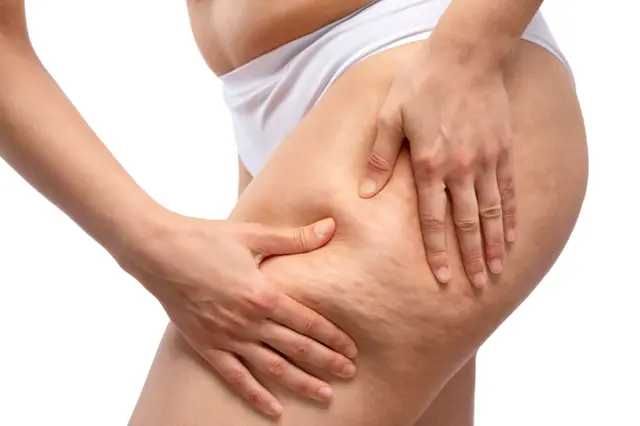
Cellulite appears with an orange peel or cottage cheese-like texture with a dimpled or lumpy skin surface. Mild cellulite is visible when you pinch the area with cellulite, like the thighs. Severe cellulite can make the…
August 13, 2024 · 3 min read


© 2026 Healthread
English · Español
Healthread does not provide medical advice, diagnosis or treatment. Always speak to a qualified clinician about your care.