

Moisturizers: Are gels, lotions, and creams the same thing?
January 3, 2023
3 min read
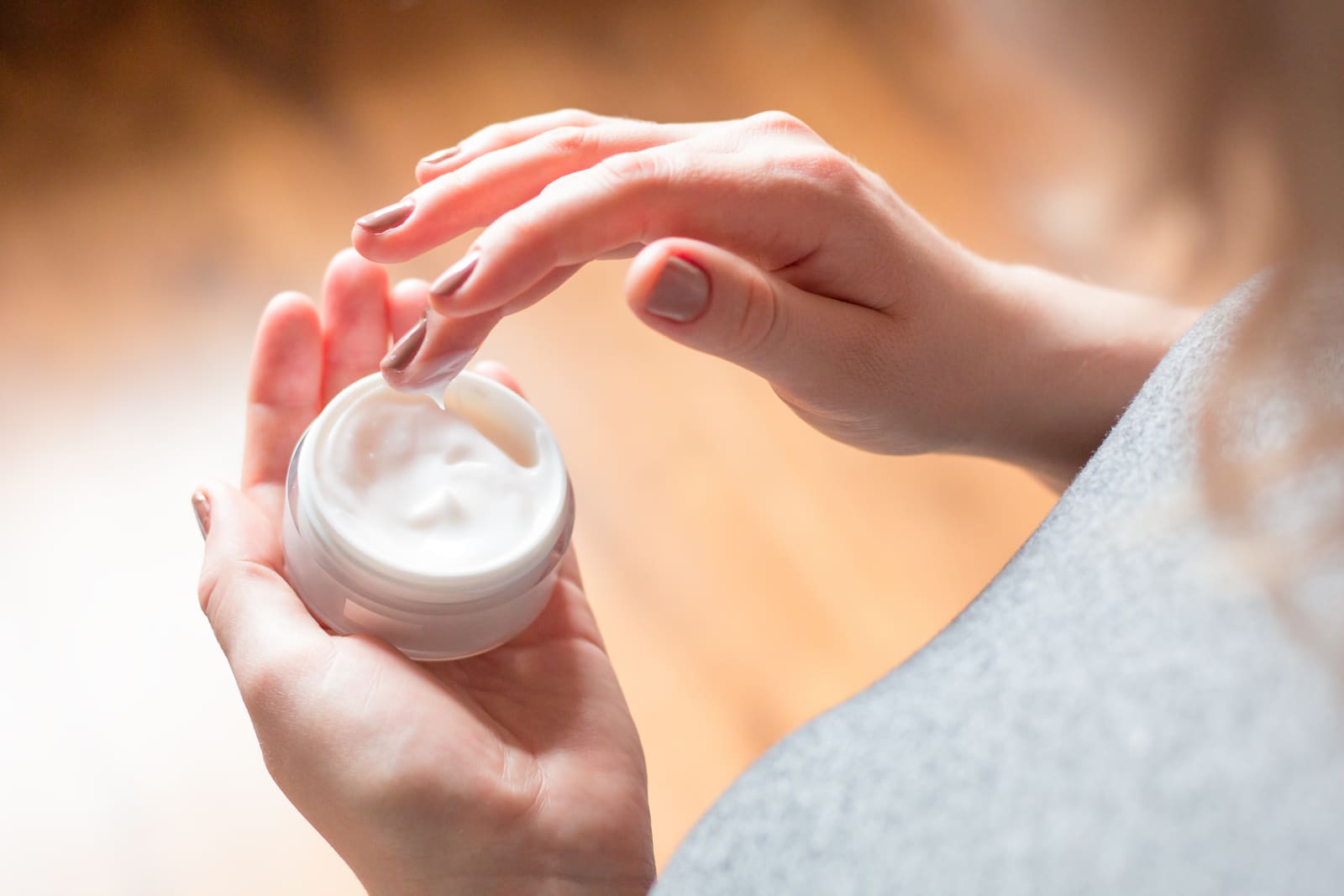
Our skin is the largest organ of the body and provides the first-line defense from negative elements like excessive hot and cold temperatures, bacteria, chemicals, and ultraviolet radiation from the sun. Though the skin is designed to retain moisture naturally, it might need a bit of extra help through the use of a daily moisturizer.
There are several differences in the many available moisturizers. The key difference in creams, gels, and lotions is the amount of water versus oil in the formula. So, how do you know which is best?
The Difference Between Gels, Lotions, and Creams
Gels
Living with oily skin? Gel moisturizers are great for people with oily skin as they are formulated with little to no oils. As a result, they reduce the amount of sebum produced (oily substances produced in the sebaceous glands). Gel moisturizers contain more water than other types of moisturizers and often have beneficial properties like hyaluronic acid and glycerin.
Gels are water-based moisturizers with a higher rate of absorption that are less likely to leave the skin feeling greasy. They provide a refreshing, hydrating feel and are an excellent option for those with sensitive skin or during warmer weather like the summertime, especially if you are suffering from sunburn from being outside too long. If you have dry skin, gel moisturizers might not be the best for daily use as they are absorbed more quickly.
Creams
Cream moisturizers have more emollient properties than gels, meaning they contain more properties that soften the skin. Common emollients include mineral oil, dimethicone, and lanolin. They are thicker in texture than lotions, and also are longer-lasting.
These types of moisturizers often contain more butter, vegetable oils, phospholipids, and other fatty acids in comparison to others. Cream moisturizers are excellent for those with dry, rough, or cracking skin as they help to prevent dryness and seal moisture in.
Cold weather wreaks havoc on the skin leaving it dry and cracked. Creams are great for colder weather during winter months as they have more emollients than others, leaving the skin feeling silky smooth. Cream moisturizers can be spread a bit more easily than gels. However, you might find yourself using more of a cream product for larger areas of the body.
Lotions
Lotions are among the most common types of moisturizers used for the whole body, whereas others are commonly used in smaller areas like the hands and face. They contain a higher water concentration than creams, making them more easily spread. However, this also means there is more potential for bacterial growth.
As a result, lotions can contain more preservatives, like salicylic acid and benzyl alcohol. Though lotions often have the most added ingredients, there are no additional risks to using them, but added fragrances can irritate sensitive skin.
Though lotion contains more preservatives, often between 0.01 to 5 percent, than gels and creams, they are ideal to use on the larger areas of the body as they can be dispersed more easily. If you have sensitive skin, dermatologists recommend using fragrance-free lotions or doing a small test area to avoid skin irritation.
Takeaway
With the many options of moisturizers available, such as gels, lotions, and creams, it can be difficult to choose the right one. The truth is, each stage of life and season of weather can leave you changing moisturizers year-round.
Lotions are better to be used on warm summer days, while creams are better during colder months as they contain more emollient properties to retain moisture easily. Those with drier skin may prefer gels or creams, rather than lotions. Take into consideration your skin type, as well as your environment, when determining the best moisturizer.
Which is your go-to moisturizer? A gel, lotion, or cream?
Sources
General information, not medical advice
This article can't account for your health history or current treatment. Talk to a qualified clinician before you change anything about your care.
Read our medical disclaimer →
On this page
The Difference Between Gels, Lotions, and Creams
Gels
Creams
Lotions
Takeaway
Which is your go-to moisturizer? A gel, lotion, or cream?
Sources
Put what you read to work
Track your medicines, check a symptom and talk with people managing the same condition, all in Healthread.
Get the app
Keep reading

Beauty and Anti-Aging
Gastric Balloon for Weight Loss
The gastric balloon weight loss procedure is a new FDA-approved minimally invasive bariatric procedure for treating obesity. It is a temporary procedure that involves placing a saline-filled silicone balloon in the…
June 19, 2025 · 3 min read
Beauty and Anti-Aging
Vitamin D Deficiency
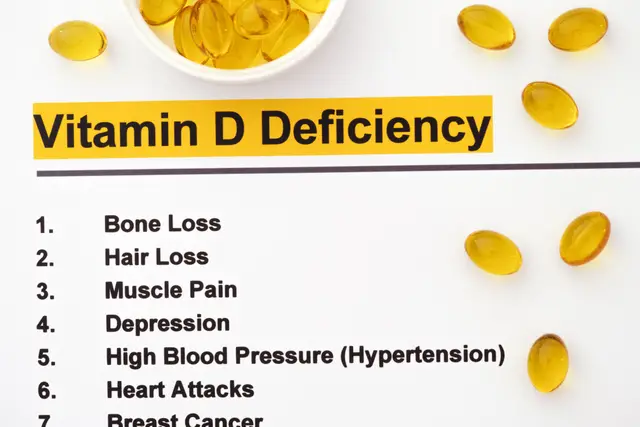
Also known as the sunshine vitamin, vitamin D is an essential nutrient that is naturally absorbed by the skin through exposure to sunlight. It can also be obtained from dietary sources and supplements.
December 30, 2024 · 3 min read
Beauty and Anti-Aging
Cellulite
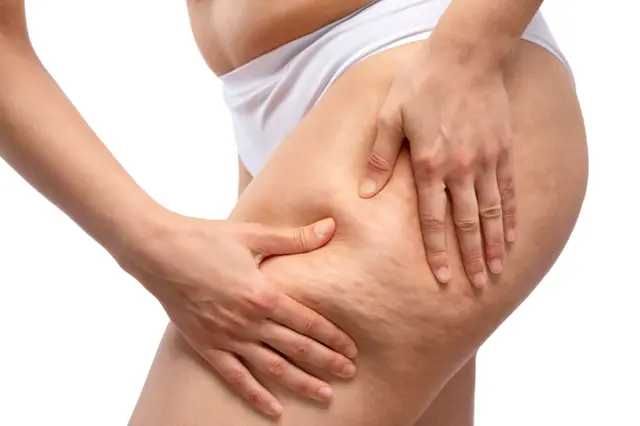
Cellulite appears with an orange peel or cottage cheese-like texture with a dimpled or lumpy skin surface. Mild cellulite is visible when you pinch the area with cellulite, like the thighs. Severe cellulite can make the…
August 13, 2024 · 3 min read


© 2026 Healthread
English · Español
Healthread does not provide medical advice, diagnosis or treatment. Always speak to a qualified clinician about your care.