

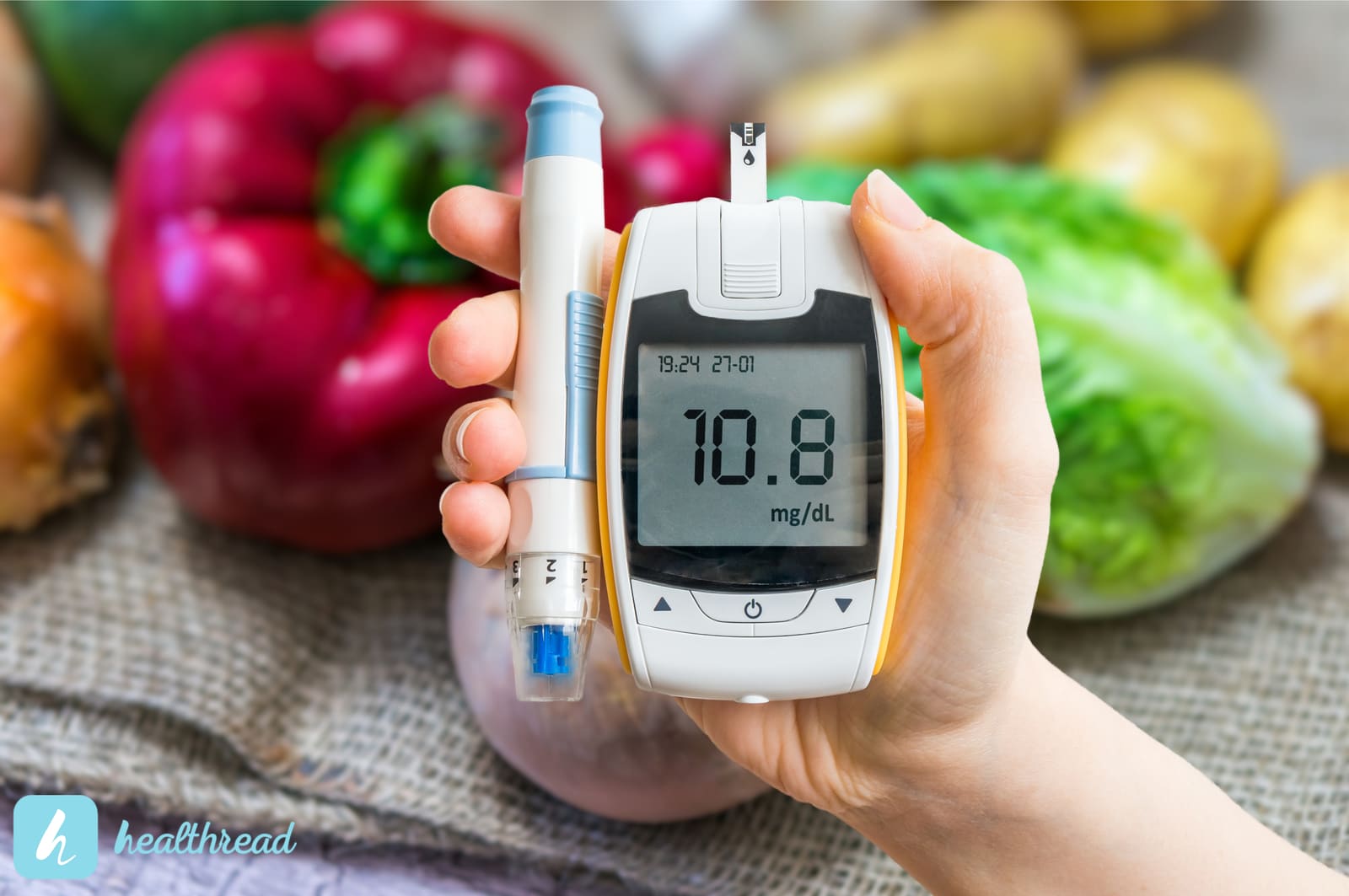
In 2020, approximately 34 million Americans reported having diabetes. There are several types of diabetes, all of which are serious medical conditions that require constant monitoring and lifestyle changes to maintain your overall health. Below you will learn more about the importance of monitoring your diabetes.
What is diabetes?
Diabetes is a chronic medical condition affecting the way your body turns food into the needed energy. The majority of the food that you eat is broken down into glucose (sugar) and is then released into the bloodstream and dispersed throughout the body. When your blood sugar increases, your brain sends a signal to the pancreas to release insulin to lower your blood sugar level.
Type 1 diabetes
Type 1 diabetes is a chronic medical condition where the pancreas is unable to produce a sufficient amount of insulin needed to regulate a person's blood sugar. While there has been extensive research into type 1 diabetes, there is no cure. Those diagnosed with type 1 diabetes are insulin-dependent with treatment focusing on managing blood sugar levels with diet, lifestyle changes, and insulin.
Type 2 diabetes
Type 2 diabetes is a common medical condition that affects the way the body processes glucose (sugar). Unlike people with type 1 diabetes who do not produce insulin, those with type 2 diabetes do not respond to insulin in a “normal” way. Treatment of type 2 diabetes focuses on a healthy diet, exercise, prescription medication, and insulin when needed.
Gestational diabetes
Gestational diabetes is diagnosed during pregnancy. It affects the way a pregnant woman’s cells utilize glucose, often causing high blood sugar that can lead to complications in pregnancy affecting the health of your unborn baby. Gestational diabetes can be controlled through consuming healthy foods, exercising, and following the guidance of your physician with the need for medication.
Who should monitor blood sugar levels?
Not everyone who has diabetes is diagnosed for the same reason. Diabetes affects all people in different ways. Therefore, it is important to understand who is at an increased risk and should monitor their blood sugar levels.
- Pregnant women
- Individuals taking insulin
- Those having a hard time controlling blood sugar levels
- Low blood sugar levels, with or without warning signs
- People with ketones present
The target, therapeutic blood sugar range depends on how long the patient has been dealing with diabetes, the age of the patient, and other medical concerns. Generally, an A1-C level of less than 7% is recommended by physicians.
Healthy preprandial plasma glucose (blood glucose level taken before a meal) is between 80 to 130 mg/dL and normal postprandial plasma glucose (blood glucose level taken after a meal) should be less than 180 mg/dL.
Managing low blood sugar
Low blood sugar, medically known as hypoglycemia, is classified as a blood sugar level of less than 70. Hypoglycemia is an extremely dangerous medical condition that can significantly impair one’s ability to think or act appropriately and ultimately lose consciousness when it becomes too low.
If you find yourself feeling shaky, sweaty, or extremely hungry for an unknown reason you might be suffering from low blood sugar. Those who are taking insulin or other diabetic-related medications are at an increased risk of experiencing hypoglycemia.
To combat hypoglycemia, many experts recommend doing one of the following:
- Chew the recommended amount of glucose tablets
- Drink 4 oz of fruit juice
- Drink 4 oz of soda, not diet or sugar-free
- Chew hard candy
Wait approximately 15 minutes and recheck your blood sugar level to determine if it is rising to a normal level.
Managing high blood sugar
Hyperglycemia, or high blood sugar, is defined as a blood sugar level that is higher than your target level or over 180 mg/dL. Common signs of hyperglycemia include fatigue, extreme tiredness, excessive thirst, blurred vision, and the need to urinate more often than usual.
To manage your hyperglycemia, drink a large glass of water, take a walk, or use the appropriate amount of insulin needed to lower it.
Contact your physician if your blood sugar reaches a higher than normal level more than 3 times within two weeks for an unknown reason or if your blood sugar continually drops for no obvious cause. Managing your blood sugar is essential in maintaining your overall health.
Looking for Tips on Monitoring and Managing Diabetes?
Monitoring and managing diabetes is key to avoiding complications from the disease. Reach out to others on the Healthread platform to share tips on managing diabetes or learn from others.
Sources
- 1cdc.gov/diabetes/library/features/diabetes-stat-report.html
- 2mayoclinic.org/diseases-conditions/type-1-diabetes/symptoms-causes/syc-20353011
- 3cdc.gov/diabetes/managing/managing-blood-sugar/bloodglucosemonitoring.html
- 4diabetes.org/healthy-living/medication-treatments/blood-glucose-testing-and-control/checking-your-blood-sugar
- 5niddk.nih.gov/health-information/diabetes/overview/managing-diabetes/know-blood-sugar-numbers
- 6niddk.nih.gov/health-information/diabetes/overview/managing-diabetes
- 7diabeteseducator.org/living-with-diabetes/Tools-and-Resources/aade7-self-care-behaviors-monitoring
- 8dtc.ucsf.edu/types-of-diabetes/type2/treatment-of-type-2-diabetes/monitoring-diabetes/
General information, not medical advice
This article can't account for your health history or current treatment. Talk to a qualified clinician before you change anything about your care.
Read our medical disclaimer →
On this page
What is diabetes?
Type 1 diabetes
Type 2 diabetes
Gestational diabetes
Who should monitor blood sugar levels?
Managing low blood sugar
Managing high blood sugar
Looking for Tips on Monitoring and Managing Diabetes?
Sources
Put what you read to work
Track your medicines, check a symptom and talk with people managing the same condition, all in Healthread.
Get the app
Keep reading

Beauty and Anti-Aging
Gastric Balloon for Weight Loss
The gastric balloon weight loss procedure is a new FDA-approved minimally invasive bariatric procedure for treating obesity. It is a temporary procedure that involves placing a saline-filled silicone balloon in the…
June 19, 2025 · 3 min read
Beauty and Anti-Aging
Vitamin D Deficiency
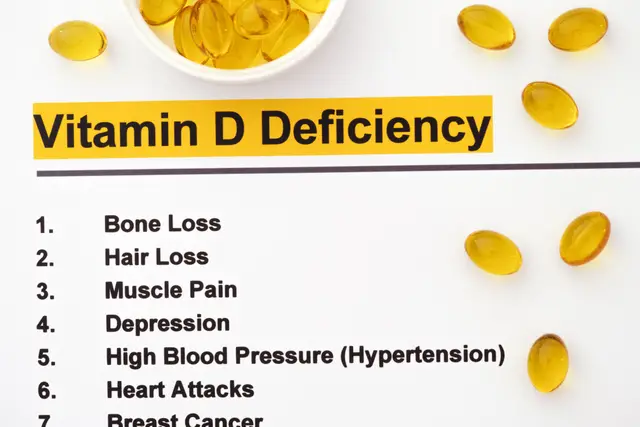
Also known as the sunshine vitamin, vitamin D is an essential nutrient that is naturally absorbed by the skin through exposure to sunlight. It can also be obtained from dietary sources and supplements.
December 30, 2024 · 3 min read

Beauty and Anti-Aging
Cellulite
Cellulite appears with an orange peel or cottage cheese-like texture with a dimpled or lumpy skin surface. Mild cellulite is visible when you pinch the area with cellulite, like the thighs. Severe cellulite can make the…
August 13, 2024 · 3 min read


© 2026 Healthread
English · Español
Healthread does not provide medical advice, diagnosis or treatment. Always speak to a qualified clinician about your care.