

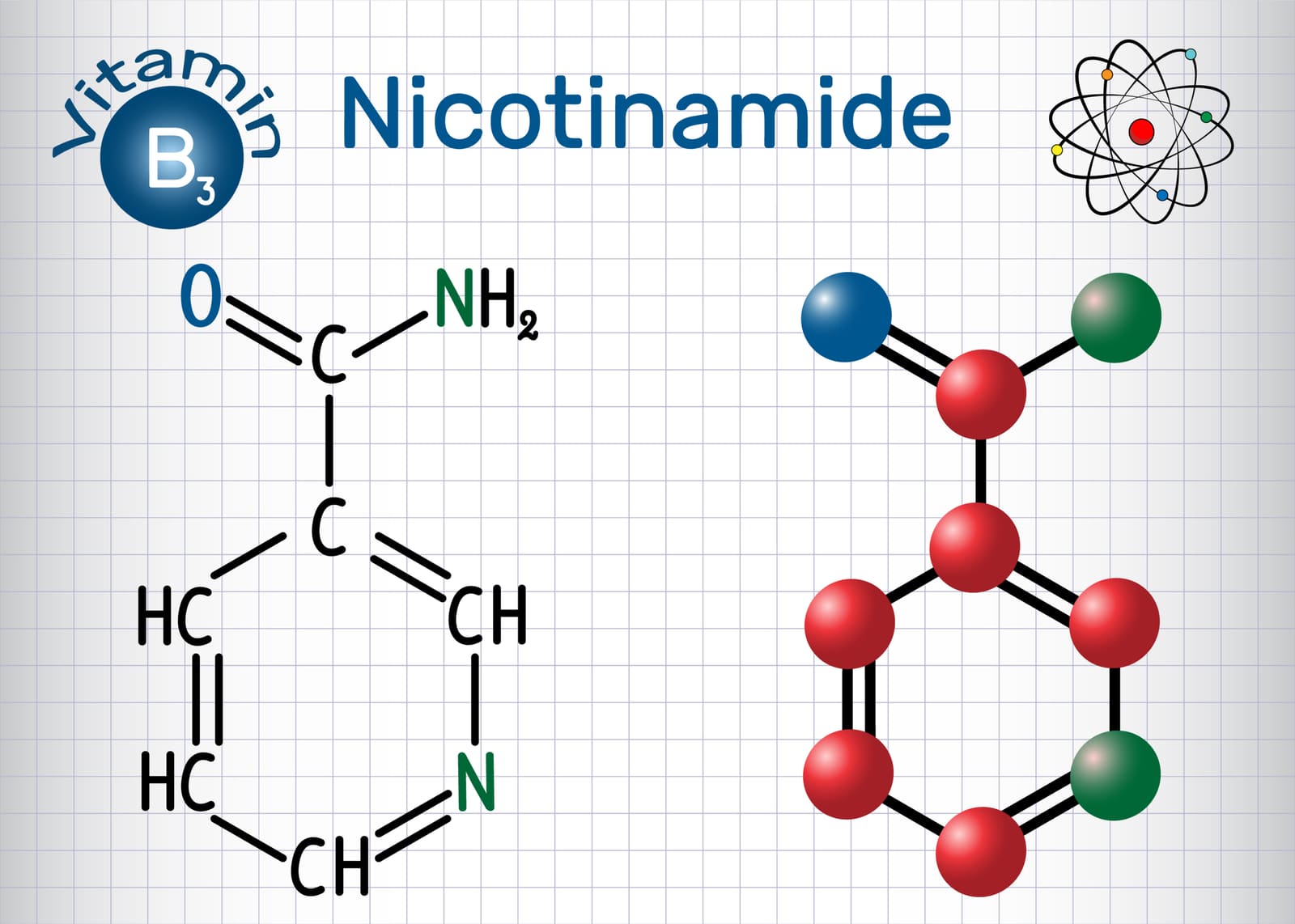
Vitamins are naturally occurring, organic compounds that we obtain from food and drink, including animal proteins, avocados, broccoli, eggs, grains, and mushrooms. Vitamin B3 (also known as niacin) is an important nutrient for optimal health. In fact, it is so important that levels of B3 are often noted on food nutrition labels and grains are commonly fortified with it to make it easier for people to consume the amounts necessary for optimal health. In addition, emerging research suggests that vitamin B3 supplements may help prevent or reverse visible aging and age-related diseases. This article will provide an introduction to why vitamin B3 is essential for your healthy, and how researchers are beginning to discover the potential benefits to combat aging
After ingestion, vitamin B3 undergoes a series of metabolic reactions. It is eventually converted into nicotinamide adenine dinucleotide (NAD+), which is a compound required for cells to produce energy. NAD+ is required for more than 500 reactions in the body, so it plays a key part in many biological processes. Without NAD+, cells are starved for energy and may die. Vitamin B3 deficiencies can be mild or severe, and they sometimes cause medical conditions that require treatment.
Mild deficiencies may go unnoticed, but severe vitamin B3 deficiency can cause a condition called pellagra. According to American College of Osteopathic Dermatology, pellagra symptoms range in severity, depending on how severe and long-lasting the deficiency is. As vitamin B3 is essential for supporting the healthy function of nearly every system in the body, individuals with pellagra may have diarrhea, mouth sores, severe rashes, skin blisters, insomnia, hallucinations, and memory loss. If untreated for a few years, the symptoms will progress in severity and the individual may die. Pellagra was common in the early 1900s, but it is largely absent in wealthy western countries; because many grains were fortified with niacin. Even today, it is still common is countries where corn is a staple food, such as Africa and India, because corn is a poor source of niacin.
Vitamin B3 Supplements
Even with mild deficiencies, overall health may be impacted. Early research in yeast has shown that increasing NAD+ may lead to a longer lifespan and healthier golden years. Thus, it is not unexpected that taking vitamin B3, which is converted to NAD+, is viewed as an attractive, accessible, and inexpensive option for preventing unwanted age-related changes. Long-term data from adequate, well-controlled clinical studies are not yet available in humans.
For reasons not entirely understood, NAD+ levels decline with age. The decrease in NAD+ may explain part of the complex biology behind why humans age. Scientists know that reduced levels of NAD decrease the ability of cells throughout all parts of the body to function optimally and to regenerate. In addition, NAD+ is known to be required for the function of DNA repairing enzymes, such as sirtuin and poly(ADP-ribose) polymerase (PARP). If the everyday DNA damage that humans sustain just by living cannot be repaired, cells are more prone to lethal damage or development of cancer.
Taking vitamin B3 supplements is one homeopathic way that NAD+ levels can be boosted. Raising NAD+ levels may have the following positive effects:
- Increase cognitive function
- Restore normal metabolism, potentially reducing age-related weight gain and diabetes development
- Decrease the risk of stroke or heart attack
- Enhance immune function
- Protect the kidneys
- Prevent and reverse UV-damage to the skin
Despite the excitement and promise around NAD+ boosting, scientist do not yet understand the full effects of doing this, and the optimal way to boost NAD+ may not involve vitamin B3 supplementation. Pharmacologic treatments are also being pursued, as scientists and pharmaceutical companies realize the value of slowing the aging process. Many studies are ongoing to better understand the health effects of vitamin B3 supplementation, and we are sure to learn more about this in coming years.
Risks of Vitamin B3 Supplementation
If you are considering taking vitamin B3 supplements, you will be happy to know that they are generally tolerated very well by many people. The most common reaction is skin flushing. Usually, this uncomfortable and unsightly side effect subsides within a half hour; and many people report that the flushing decreases or stops altogether with long-term use. Other possible side effects include gastrointestinal discomfort, low blood pressure, and liver enzyme increases.
Anyone considering vitamin B3 supplementation should discuss it with their doctor first. The supplement can interact with some medications you are already taking and reduce their effects. In addition, long-term vitamin B3 supplementation can alter glucose metabolism, which needs to be carefully managed in patients with certain medical conditions, such as diabetes and high lipids.
Sources
American College of Osteopathic Dermatology website. Pellagra. Available from: https://www.aocd.org/page/Pellagra
Djadjo S, Bajaj T. Niacin. [Updated 2020 May 30]. In: StatPearls [Internet]. Treasure Island (FL): StatPearls Publishing; 2020 Jan-. Available from: https://www.ncbi.nlm.nih.gov/books/NBK541036/
Rajman L, Chwalek K, Sinclair DA. Therapeutic Potential of NAD-Boosting Molecules: The In Vivo Evidence. Cell Metab. 2018 Mar 6;27(3):529-547. doi: 10.1016/j.cmet.2018.02.011. PMID: 29514064; PMCID: PMC6342515. Available from: https://www.ncbi.nlm.nih.gov/pmc/articles/PMC6342515/
General information, not medical advice
This article can't account for your health history or current treatment. Talk to a qualified clinician before you change anything about your care.
Read our medical disclaimer →
Put what you read to work
Track your medicines, check a symptom and talk with people managing the same condition, all in Healthread.
Get the app
Keep reading
Beauty and Anti-Aging
Gastric Balloon for Weight Loss
The gastric balloon weight loss procedure is a new FDA-approved minimally invasive bariatric procedure for treating obesity. It is a temporary procedure that involves placing a saline-filled silicone balloon in the…
June 19, 2025 · 3 min read
Beauty and Anti-Aging
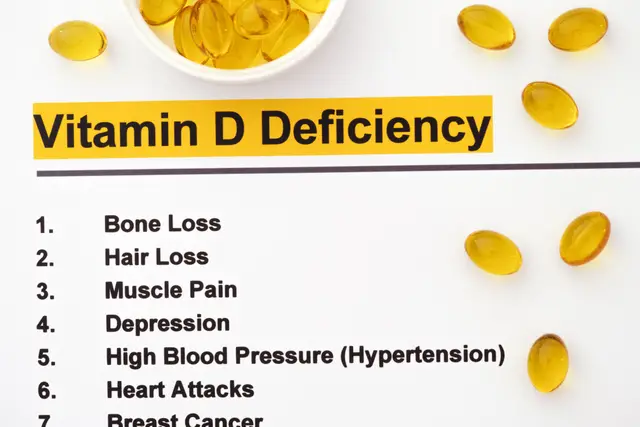
Vitamin D Deficiency
Also known as the sunshine vitamin, vitamin D is an essential nutrient that is naturally absorbed by the skin through exposure to sunlight. It can also be obtained from dietary sources and supplements.
December 30, 2024 · 3 min read
Beauty and Anti-Aging
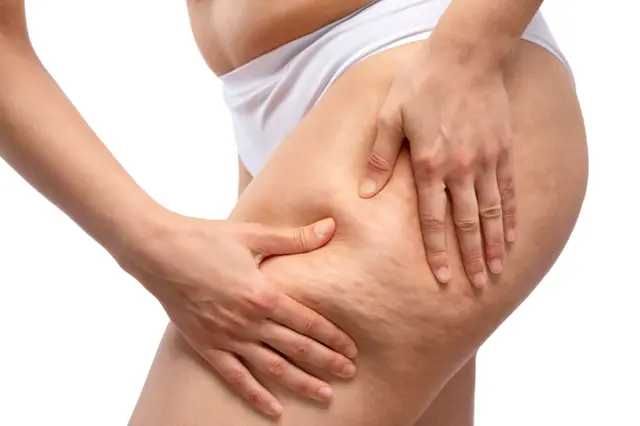
Cellulite
Cellulite appears with an orange peel or cottage cheese-like texture with a dimpled or lumpy skin surface. Mild cellulite is visible when you pinch the area with cellulite, like the thighs. Severe cellulite can make the…
August 13, 2024 · 3 min read


© 2026 Healthread
English · Español
Healthread does not provide medical advice, diagnosis or treatment. Always speak to a qualified clinician about your care.