

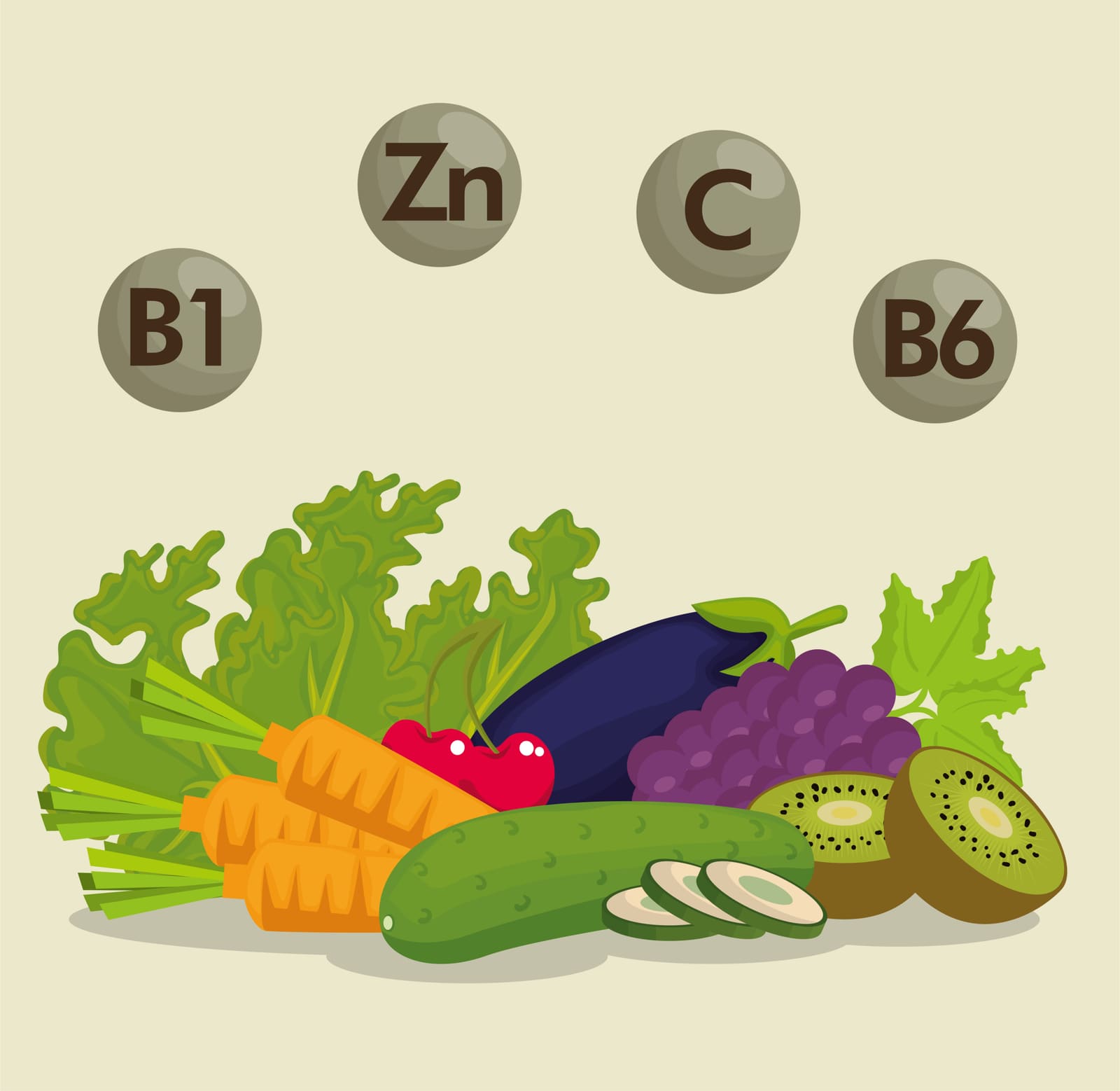
The U.S. Department of Agriculture (USDA) and the U.S. the Department of Health and Human Services (HHS) recently released the 2020-2025 dietary guidelines for individuals in the United States. Their goal is to provide advice and recommendations on dietary patterns to help promote health. The guidelines will be used over the next five years by policymakers, health care professionals and federal nutrition program developers to essentially dictate what Americans should eat.
Dietary Guidelines for individuals in the U.S. is a trusted resource for the nation for evidence-based guidance on nutrition. The guidelines are made for use by policymakers and healthcare professionals to provide the general public with a federal nutrition program foundation. The dietary guidelines shouldn't be seen as clinical guidelines for treating disease.
It's known that good nutrition results in better health outcomes and these new dietary guidelines provide people in the U.S. with the information they require to make healthy choices for themselves and their families.
The USDA and HHS release the U.S. Dietary Guidelines every five years for people in the U.S. These guidelines are "science-based" , and offer advice on which foods and beverages to consume:
- Promote health
- Meet nutrient needs
- Reduce chronic disease risk
These guidelines are the first to provide health dietary patterns guidance by what the departments referred to as "life stages", since individuals of various ages should be eating different diets. There is also advice in the guidelines for pregnant and lactating women.
The new guidelines have the theme: “Make Every Bite Count”.
Americans can read through the full 2020-2025 dietary guidelines here:
What's Added to the Guidelines
The HHS and USDA have expanded this dietary guidelines edition to offer new guidance for newborns, toddlers, and women who are pregnant or breastfeeding to help individuals in the U.S. to improve their health regardless of their life stage or age.
There are recommendations in the guidelines for a dietary pattern rich in:
- Vegetables
- Fruits
- Whole grains
And, there are recommendations for a dietary pattern low in sugar-sweetened food and beverages.
Also added in the guidelines are recommendations stating no amount of added sugar is fine for the development of babies. Parents shouldn't add sugar to a child's diet because of its strong link to future chronic health conditions and obesity.
The recommended added sugar amount instead stayed in the guidelines at 10% of daily calories, but there was a recommendation in the guidelines for kids under two years old to consume no added sugars at all.
Overall, the broad guidance is to have a healthy dietary pattern chock-full of nutrient-dense foods and beverages throughout all food groups (protein, rains, vegetables, dairy, oils, and fruits) within calorie limits and in recommended amounts.
What's Not Added to the Guidelines
The guidance doesn't discuss the topic of red meat, which is a major source of saturated fat in the American diet. The guidelines also don’t say much about processed foods. However, the guidelines do recommend replacing processed and high-fat meats, like bacon, sausages, and hot dogs, with lentils, peas, beans, or seafood to meet the daily protein needs.
There were recommendations to decrease current guidance from men having two drinks a day and women one, to both men and women having only one drink a day. It is guidance, however, and not a nutritional requirement thus far, so it's really about what people are both able and willing to do. Adults can decide to drink in moderation through limited consumption of a couple of drinks a day or less for men and one drink a day or less for women, or they can choose to not drink at all. The guidelines do say pregnant women shouldn't drink at all.
Foundations and Societies
- American Society for Nutrition: ASNF improves our professional society's activities by enhancing the ways it supports the nutrition field.
- Academy of Nutrition and Dietetics: This organization is dedicated to promoting a healthy today and tomorrow for our communities and children.
Have You Found a Nutrition Plan that Works?
Join Healthread today. Healthread is full of individuals searching for ways of improving their health and feeling more confident in their bodies. Subscribe to Healthread if you have insights or experiences you'd like to share on nutrition.
For you to really understand and know your health problems, you need to be able to fill the remaining gap where you can learn from others’ experiences and share your own. This will offer you the required insight and support beyond what you can obtain from your family, physician, and friends. Healthread’s purpose, however, isn’t to replace your doctor’s advice, but to genuinely assist you in understanding your condition better and help you make informed decisions to better your health.
Healthread is a collaborative social media platform. It encourages people to share information and experiences of similar health interests. You can join Healthread through an iOS device or Android. Or you can visit the website.
Sources
General information, not medical advice
This article can't account for your health history or current treatment. Talk to a qualified clinician before you change anything about your care.
Read our medical disclaimer →
On this page
What's Added to the Guidelines
What's Not Added to the Guidelines
Foundations and Societies
Have You Found a Nutrition Plan that Works?
Sources
Put what you read to work
Track your medicines, check a symptom and talk with people managing the same condition, all in Healthread.
Get the app
Keep reading

Beauty and Anti-Aging
Gastric Balloon for Weight Loss
The gastric balloon weight loss procedure is a new FDA-approved minimally invasive bariatric procedure for treating obesity. It is a temporary procedure that involves placing a saline-filled silicone balloon in the…
June 19, 2025 · 3 min read
Beauty and Anti-Aging
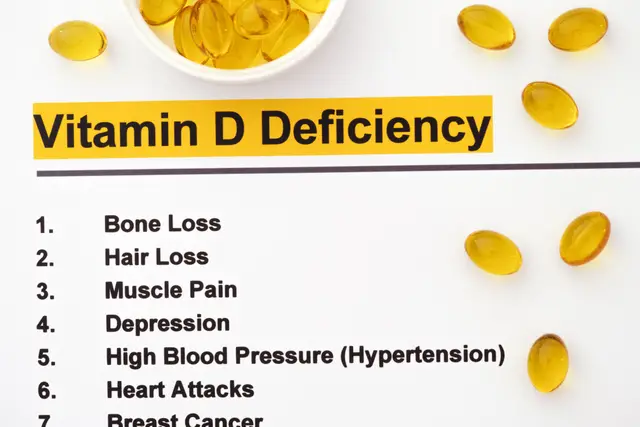
Vitamin D Deficiency
Also known as the sunshine vitamin, vitamin D is an essential nutrient that is naturally absorbed by the skin through exposure to sunlight. It can also be obtained from dietary sources and supplements.
December 30, 2024 · 3 min read
Beauty and Anti-Aging
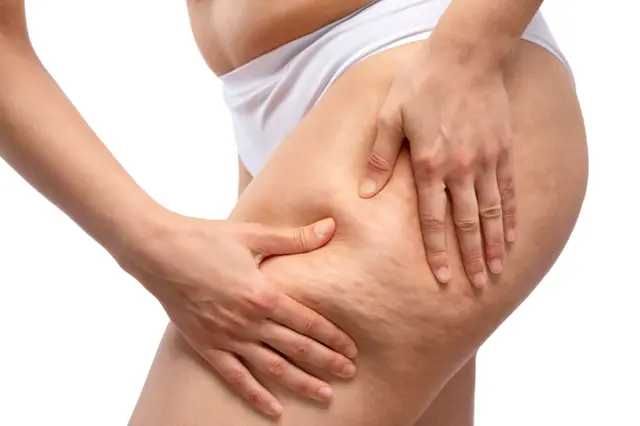
Cellulite
Cellulite appears with an orange peel or cottage cheese-like texture with a dimpled or lumpy skin surface. Mild cellulite is visible when you pinch the area with cellulite, like the thighs. Severe cellulite can make the…
August 13, 2024 · 3 min read


© 2026 Healthread
English · Español
Healthread does not provide medical advice, diagnosis or treatment. Always speak to a qualified clinician about your care.