

Most ovarian cysts are painless, benign, and cause no symptoms.
Although common and often seen as a sign of ovulation in women, ovarian cysts sometimes can point to an underlying condition and needs to be removed to avoid further complications.
What are ovarian cysts?
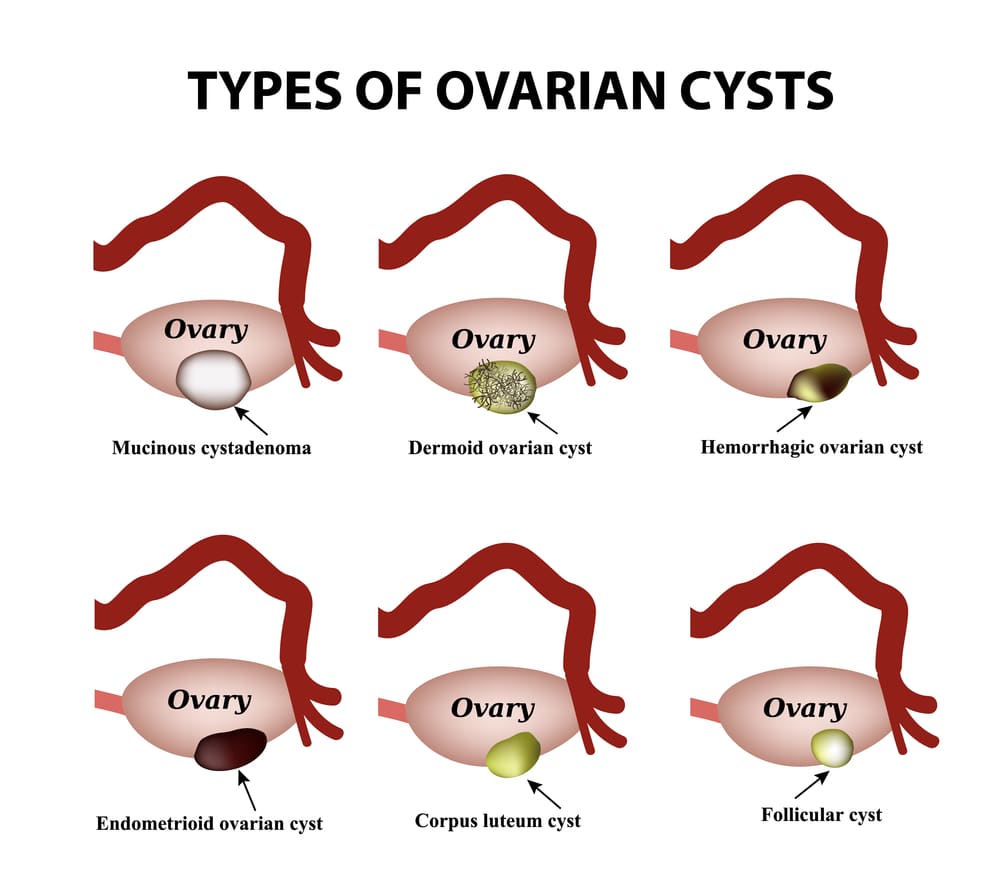
Ovarian cysts are fluid-filled sacs in the ovaries. They are common and often painless and show no symptoms. Ovarian cysts often occur when the ovaries release eggs every month as a part of the ovulation process.
Ovarian Cysts Types
Ovarian cysts are functional when they aid the menstrual cycle in women of reproductive age. Two types of functional ovarian cysts are released during the menstrual cycle.
Follicular cysts
During the menstrual cycle, the egg grows in a follicular sac located in the ovary. Ordinarily, the follicle breaks open to release the egg. When that does not happen, the fluid inside the follicle can form cysts on the ovary.
Corpus luteum cysts
When the ovary releases an egg, the corpus luteum, a structure appears in the ovary that releases the hormone needed for pregnancy. Usually, the structure breaks down unless a pregnancy starts. When the corpus luteum fails to dissolve, it can become cysts on the ovary.
Other ovarian cysts are not part of the menstrual cycle and are non-functional. They include:
- Cystadenomas: They form on the outer surface of the ovaries.
- Dermoid cysts: They are sac-like growth containing hair, tissues, and fats, formed on ovaries.
- Endometriomas: Also known as chocolate cysts, they form when the tissues that grow inside the ovaries develop outside the uterus and attach to the ovaries.
Ovarian Cyst Causes
Ovarian cysts can occur due to:
- Polycystic ovary syndrome(PCOS): It is a condition where the ovaries form many small cysts.PCOS can cause ovaries to enlarge and can cause infertility.
- Severe pelvic infections like chlamydia cause cysts known as abscesses.
- Pregnancy.
- Non-cancerous growths.
- Cancer in rare cases.
Risks of Ovarian Cysts
You can be at risk of developing ovarian cysts if you:
- Are pregnant.
- Have polycystic ovarian syndrome (PCOS).
- Have endometriosis.
- Take fertility medications like clomiphene.
Complications in Ovarian Cysts
Ovarian cysts can have complications that can be detected during a routine pelvic exam.
- Rupture: Larger cysts can break open during vaginal sex or other activities, causing severe pain and bleeding.
- Infected ovarian cysts: Ovarian cysts that form due to an underlying infection can develop abscesses. If an abscess bursts, it can spread bacteria throughout your body.
- Ovarian torsion: Where cysts grow large, they can twist and turn the ovary, causing painful ovarian torsion.
Symptoms of Ovarian Cysts
Ovarian cysts are usually painless and have no symptoms. Some women may feel a dull or sharp pain or pressure in the side of the lower belly with the cyst. A ruptured cyst can cause intense pain.
Other symptoms may include:
- Pain during the period
- Pain in the thighs or lower back
- Weight gain or unexplained weight loss
- Loss of appetite
- Trouble emptying the bladder
- Abnormal vaginal bleeding in rare cases
Ovarian Cysts Diagnosis
Your doctor can detect ovarian cysts through a routine pelvic exam. They will ask about your symptoms and medical history. On suspecting ovarian cysts, they can order other tests to confirm their nature and type.
- Blood tests: blood tests can be done for hormone problems and cancer.CA125 blood tests are done to detect CA125 proteins for cancer detection.
- MRI: Magnets and computers are used to generate a detailed picture of the area;
- Pelvic ultrasound: Sound waves are used to create images of the uterus and ovary.
- Pregnancy test: A positive pregnancy test would mean you have corpus luteum cysts.
- Laparoscopy: A slim instrument with a light and a camera is inserted into the belly to get a clear picture of the abdomen and remove the cysts.
- Biopsy: A tiny piece of the ovary is taken and examined for cancerous cells. A biopsy is done if any abnormal growth is found on the ovary.
Ovarian Cysts Treatment
Most ovarian cysts go away on their own, requiring no treatment. Your doctor may prescribe painkillers to treat pain or discomfort. They may prescribe birth control pills to prevent new cysts from appearing.
Ovarian cysts may need surgery where:
- You have a large cyst.
- The cyst continues to grow.
- The cyst is causing pain or pressure.
- You have endometriosis, and the cysts must be removed to treat fertility problems.
Ovarian cysts can be removed using:
- Laparoscopy, where a small incision is made, and the cysts are removed using a slim instrument with lights and a camera
- Laparotomy, where a bigger cut is made in the belly to remove cancerous cysts
If you have any questions or concerns about ovarian cysts, be sure to talk to your doctor. They can help you learn about your risk factors and recommend the best course of treatment for you.
Sources
- 1pennmedicine.org/for-patients-and-visitors/patient-information/conditions-treated-a-to-z/ovarian-cyst#:~:text=Definition,by%20cancer%20or%20other%20diseases
- 2mayoclinic.org/diseases-conditions/ovarian-cysts/symptoms-causes/syc-20353405
- 3womenshealth.gov/a-z-topics/ovarian-cysts
- 4webmd.com/women/ovarian-cysts
- 5hopkinsmedicine.org/health/conditions-and-diseases/benign-ovarian-cysts
- 6healthline.com/health/ovarian-cysts
- 7cedars-sinai.org/health-library/diseases-and-conditions/o/ovarian-cyst.html
- 8medlineplus.gov/ovariancysts.html
- 9familydoctor.org/condition/ovarian-cyst/?adfree=true
General information, not medical advice
This article can't account for your health history or current treatment. Talk to a qualified clinician before you change anything about your care.
Read our medical disclaimer →
On this page
What are ovarian cysts?
Ovarian Cysts Types
Follicular cysts
Corpus luteum cysts
Ovarian Cyst Causes
Risks of Ovarian Cysts
Complications in Ovarian Cysts
Symptoms of Ovarian Cysts
Ovarian Cysts Diagnosis
Ovarian Cysts Treatment
Put what you read to work
Track your medicines, check a symptom and talk with people managing the same condition, all in Healthread.
Get the app
Keep reading
Beauty and Anti-Aging
Gastric Balloon for Weight Loss
The gastric balloon weight loss procedure is a new FDA-approved minimally invasive bariatric procedure for treating obesity. It is a temporary procedure that involves placing a saline-filled silicone balloon in the…
June 19, 2025 · 3 min read
Beauty and Anti-Aging
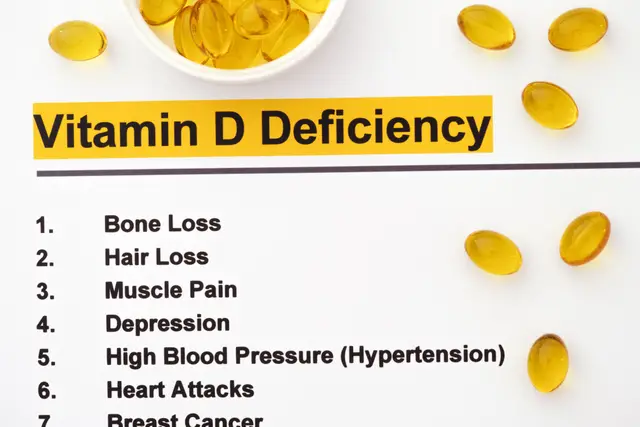
Vitamin D Deficiency
Also known as the sunshine vitamin, vitamin D is an essential nutrient that is naturally absorbed by the skin through exposure to sunlight. It can also be obtained from dietary sources and supplements.
December 30, 2024 · 3 min read
Beauty and Anti-Aging
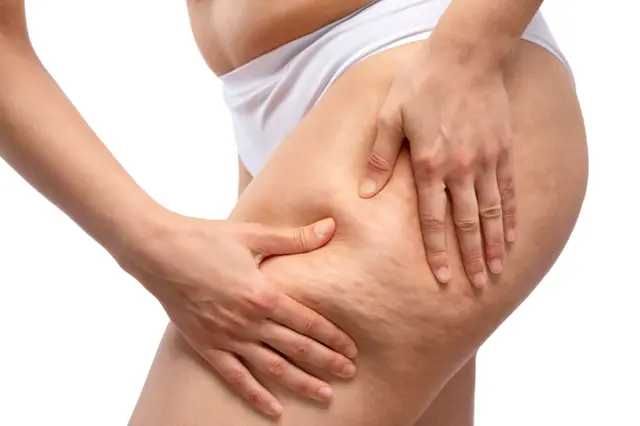
Cellulite
Cellulite appears with an orange peel or cottage cheese-like texture with a dimpled or lumpy skin surface. Mild cellulite is visible when you pinch the area with cellulite, like the thighs. Severe cellulite can make the…
August 13, 2024 · 3 min read


© 2026 Healthread
English · Español
Healthread does not provide medical advice, diagnosis or treatment. Always speak to a qualified clinician about your care.