

Perimenopause, Menopause and Postmenopause
December 14, 2020
4 min read
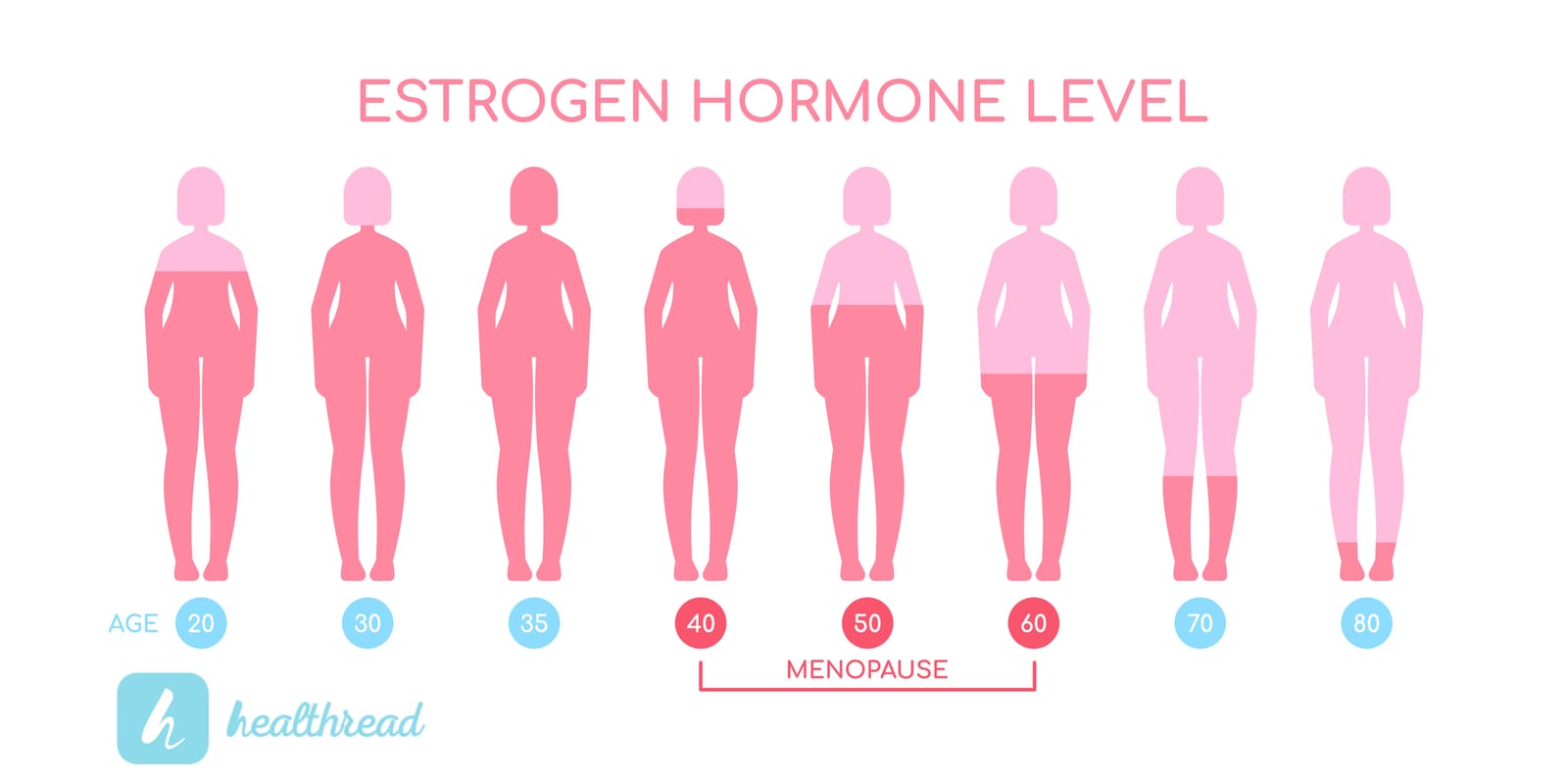
Perimenopause, menopause, and postmenopause are stages you, as a woman, go through in life when your monthly period becomes irregular and/or stops. During this time, you're getting to the end of your reproductive years.
Perimenopause is the first stage of the entire process and can begin around eight to 10 years before menopause. Menopause is where you stop getting your menstrual periods for at least a year, and postmenopause is the stage you experience once you've transitioned through menopause.
What Is Perimenopause?
Perimenopause is the period before you reach menopause when you're experiencing biological and hormonal changes and you start having physical symptoms. This stage typically lasts for around three to five years.
Symptoms of Perimenopause
You may begin experiencing irregular periods and symptoms like:
- Night sweats
- Hot flashes
- Elevated heart rate
- Sleep disturbances-insomnia
- Urinary issues
- Mood changes - depression, irritability, anxiety
- Vaginal discomfort or dryness during sexual intercourse
There's still the possibility of becoming pregnant during perimenopause and if you wish to avoid this, you should use some type of birth control until one year following your last menstrual period.
Treatment for Perimenopause
Treatments for perimenopause may include:
1. Hormone Therapy: This is systemic estrogen therapy. It comes in a:
- Skin patch
- Pill
- Cream
- Gel
It is still a highly effective option of treatment to relieve menopausal and perimenopausal night sweats and hot flashes.
2. Antidepressants: Specific antidepressants in the selective serotonin reuptake inhibitors (SSRIs) class of drugs might decrease your menopausal hot flashes.
3. Vaginal Estrogen: This is used for relieving vaginal dryness. It delivers estrogen directly to your vagina using a ring, cream, or tablet. Small amounts of estrogen are released which your vaginal tissue absorbs. It helps with vaginal discomfort from sexual intercourse, certain urinary symptoms, and dryness.
4. Gabapentin: This is an approved medication for treating seizures. However, it's been shown to help decrease hot flashes. It's useful if health reasons keep you from using estrogen therapy.
What Is Menopause?
Menopause is a natural, normal transition in life beginning usually when you're between 35 years old and 55. Your ovaries become smaller during this time and stop creating the hormones progesterone and estrogen that control your menstrual cycle. Also, your fertility starts to decline and your eggs are depleted. Eventually, you won't be able to get pregnant any longer.
Following menopause, your body starts making less of the estrogen and progesterone hormones. When you have extremely low levels of estrogen after menopause, it could impact your health, causing symptoms like hot flashes.
You might be transitioning into menopause if you start to experience some or all of these symptoms:
- Cold flashes and/or night sweats
- Hot flashes (Sudden warmth feeling spreading throughout your body)
- Troubles sleeping (insomnia)
- Vaginal discomfort during sex and dryness
- Dry eyes, dry skin or dry mouth
- Urinary urgency (you need to urinate more often)
- Emotional changes (mood swings, irritability, mild depression)
Treatments for Menopause
Menopause treatments are the same as those for perimenopause. They focus on easing your symptoms as well as managing or preventing chronic conditions that could occur as you get older. Your doctor may also give you medications to prevent or treat osteoporosis.
What Is Postmenopause?
Postmenopause is where you haven't had your menstrual period for an entire year (and the remainder of your life after you've gone through menopause). In this stage, symptoms like hot flashes and night sweats might ease up for many women.
But, some women will keep on experiencing symptoms of menopause for a lot longer after they've transitioned into menopause. There are a few factors, which include a low estrogen level, that place postmenopausal women at a greater risk for numerous health conditions, like heart disease and osteoporosis.
Treatment for Postmenopause
Aside from the normal hormone therapy, your doctor might suggest other common treatments for postmenopause, including:
- Vaginal estrogen for the vaginal discomfort, dryness, and urinary symptoms
- Vitamin D and calcium supplements for bone strengthening with osteoporosis
- Exercise to stimulate bone and heart health and maintain a healthy weight
- Vaginal lubricant to help increase comfort during sex
- Diet to help manage a healthy weight
- Incontinence treatment for gaining bladder control
Before you decide on any type of treatment for either of these conditions, consult with your doctor about your treatment choices, and the benefits and risks involved with each.
Have You Found a Home Remedy That Works for Your Menopausal Symptoms?
Consider subscribing to Healthread if you're struggling with symptoms of perimenopause, menopause, or postmenopause. Healthread is chock-full of other women looking for symptom relief and tips for these conditions, as well as other individuals looking to feel more confident in their bodies and improve their health. You're not alone. Here you can connect with others going through the same thing.
Additional Healthread Articles on Menopause
Menopause
Sources
- 1mayoclinic.org/diseases-conditions/perimenopause/diagnosis-treatment/drc-20354671
- 2healthline.com/health/menopause/difference-perimenopause
- 3my.clevelandclinic.org/health/diseases/15224-menopause-perimenopause-and-postmenopause
- 4medicalnewstoday.com/articles/318660
- 5agemanagementcenter.com/2016/07/18/pre-menopause-vs-peri-menopause-whats-difference/h
- 6everydayhealth.com/menopause/perimenopause-vs-menopause-look-difference/
- 7menopause.obgyn.msu.edu/content/stages-menopause
General information, not medical advice
This article can't account for your health history or current treatment. Talk to a qualified clinician before you change anything about your care.
Read our medical disclaimer →
On this page
What Is Perimenopause?
Symptoms of Perimenopause
Treatment for Perimenopause
What Is Menopause?
Treatments for Menopause
What Is Postmenopause?
Treatment for Postmenopause
Have You Found a Home Remedy That Works for Your Menopausal Symptoms?
Additional Healthread Articles on Menopause
Menopause
Sources
Put what you read to work
Track your medicines, check a symptom and talk with people managing the same condition, all in Healthread.
Get the app
Keep reading
Beauty and Anti-Aging
Gastric Balloon for Weight Loss
The gastric balloon weight loss procedure is a new FDA-approved minimally invasive bariatric procedure for treating obesity. It is a temporary procedure that involves placing a saline-filled silicone balloon in the…
June 19, 2025 · 3 min read
Beauty and Anti-Aging
Vitamin D Deficiency
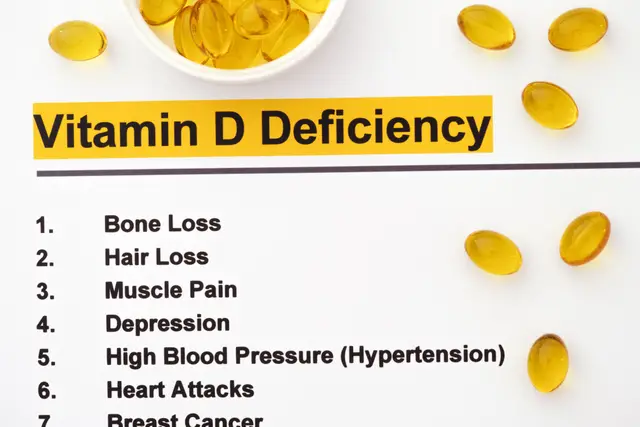
Also known as the sunshine vitamin, vitamin D is an essential nutrient that is naturally absorbed by the skin through exposure to sunlight. It can also be obtained from dietary sources and supplements.
December 30, 2024 · 3 min read
Beauty and Anti-Aging
Cellulite
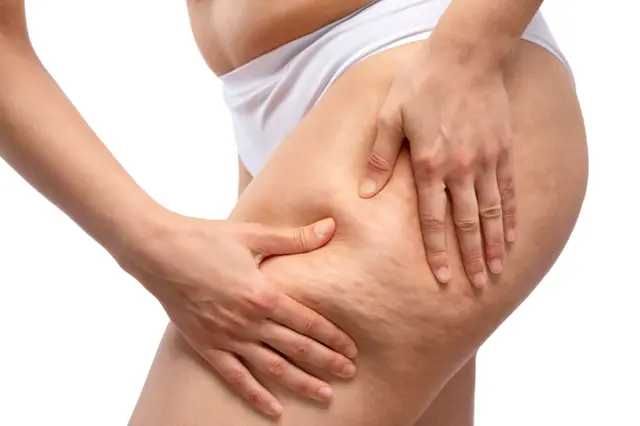
Cellulite appears with an orange peel or cottage cheese-like texture with a dimpled or lumpy skin surface. Mild cellulite is visible when you pinch the area with cellulite, like the thighs. Severe cellulite can make the…
August 13, 2024 · 3 min read


© 2026 Healthread
English · Español
Healthread does not provide medical advice, diagnosis or treatment. Always speak to a qualified clinician about your care.