

Physical Exfoliation vs Chemical Exfoliation: Which is Better?
July 27, 2023
3 min read
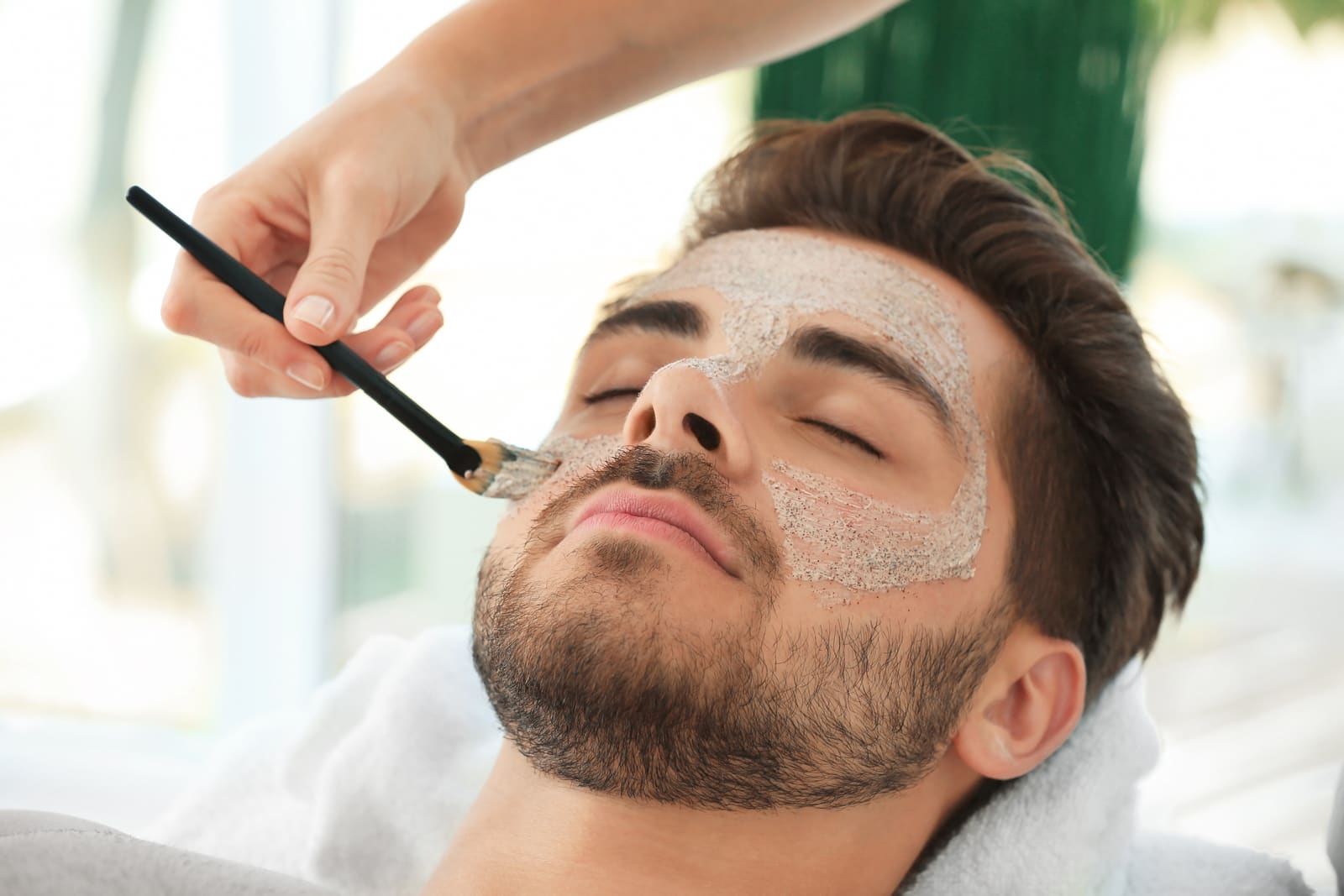
Regular skin exfoliation can clear up your skin and help you get a smoother, brighter-looking complexion. It can reduce the appearance of wrinkles while removing the effects of sun damage on your skin.
What is exfoliation?
Exfoliation removes dead skin while revealing newer skin cells that smoothen your skin texture, improving skin complexion.
Regular exfoliation can free your skin from dead skin cells, removing accumulated dirt, oil, and debris from the skin's surface.
Exfoliation can offer the following benefits:
- Improves skin tone by smoothening the skin's surface.
- Removes dead cells while enhancing the skin texture.
- It keeps the skin pores free from debris, preventing acne.
- It helps better absorption of skin care products like moisturizers and serums.
What is physical exfoliation?
Physical exfoliation is a process that involves the manual removal of dead skin cells and other debris from the skin's surface. Simple tools like washcloths, sponges, loofahs, or brushes are used to rub off dead skin cells. Scrubs with exfoliation particles can remove debris from the skin's surface.
Methods
Physical exfoliation can be done at home using the following:
- Manual tools like brushes, sponges, loofahs, and washcloths.
- Skincare products with exfoliating particles, like scrubs with salt, sugar, and beads, gently remove dead skin and debris from the skin.
Professional exfoliation, usually done at the dermatologist's office or a salon, can include:
- Microdermabrasion: It smoothens the skin through a sanding process that helps reduce the appearance of wrinkles.
- Dermaplaning: A special exfoliating knife is used to scrape dead skin cells and fine hairs from the skin's surface.
Drawbacks
Physical exfoliation can cause micro tears on the skin surface If the skin is rubbed too hard or the exfoliating beads are too large. It can also increase oil production, which can worsen acne conditions.
What is chemical exfoliation?
Chemical exfoliation involves the use of topical acids like salicylic acid that dissolve the dead cells. Some common chemical exfoliators used are:
- Alpha Hydroxy Acids (AHA): Glycolic and lactic acids are popular AHAs that dissolve protein bonds between dead cells to expose newer skin; Its water-soluble nature is excellent for dry skin.
- Beta Hydroxy Acids (BHA): Salicylic acid is a popular BHA that has anti-bacterial and anti-inflammatory properties with excellent exfoliation ability; It is a great choice for fighting acne.
- Enzyme Exfoliants: Made from fruit enzymes like Papain, these gentle exfoliants are great for sensitive skin.
Drawbacks
Some acids like AHAs can cause sun sensitivity, aggravating the risk of sunburnt.
Physical vs. chemical exfoliation: Which one is better?
While exfoliation of any kind will help improve your skin texture and tone by removing a buildup of dead skin and debris from the skin's surface, you must choose the exfoliating method based on your skin type.
- If you have dry or sensitive skin, physical exfoliation can aggravate your skin, causing it to break out. Chemical exfoliation, in contrast, uses gentle acids to remove the dead skin buildup. Oily skin can get better results with physical exfoliation methods.
- If you want immediate results, physically exfoliating your skin can instantly remove the dead skin revealing a smoother skin texture.
- If you are looking for a glow, physical exfoliation can promote skin circulation, offering an instant glow to your skin.
- You need chemical exfoliation if you seek the benefits of improving skin elasticity or boosting collagen production. The acids used penetrate deep within the skin surface, offering anti-aging benefits.
- If you are seeking precision, it is better to use chemical-based exfoliation. Using acids to exfoliate can gently remove the dead skin and debris uniformly, unlike physical exfoliation, which needs rubbing the skin's surface.
Physical and chemical exfoliation are both effective ways to remove dead skin cells and improve the appearance of your skin. However, there are some key differences between the two methods that you should consider when choosing which one is right for you.
Ultimately, the best way to choose between physical and chemical exfoliation is to consider your individual skin type and needs. If you have oily or acne-prone skin, physical exfoliation may be a good option for you. If you have sensitive skin, chemical exfoliation may be a better choice. If you are unsure which type of exfoliation is right for you, talk to your dermatologist.
Sources:
- 1westlakedermatology.com/blog/chemical-vs-physical-exfoliation/#:~:text=Individuals%20with%20dry%20or%20sensitive,or%20stick%20with%20physical%20exfoliation
- 2kiehls.com/skincare-advice/chemical-vs-physical-exfoliation.html
- 3vogue.com/article/skincare-mechanical-vs-chemical-vs-physical-exfoliation
- 4goop.com/beauty/skin/why-you-need-both-chemical-and-physical-exfoliation/
- 5dermstore.com/blog/chemical-exfoliation-vs-physical-exfoliation/
- 6theskininstitute.org/what-you-need-to-know-about-chemical-exfoliation/
General information, not medical advice
This article can't account for your health history or current treatment. Talk to a qualified clinician before you change anything about your care.
Read our medical disclaimer →
On this page
What is exfoliation?
What is physical exfoliation?
Methods
Drawbacks
What is chemical exfoliation?
Drawbacks
Physical vs. chemical exfoliation: Which one is better?
Put what you read to work
Track your medicines, check a symptom and talk with people managing the same condition, all in Healthread.
Get the app
Keep reading

Beauty and Anti-Aging
Gastric Balloon for Weight Loss
The gastric balloon weight loss procedure is a new FDA-approved minimally invasive bariatric procedure for treating obesity. It is a temporary procedure that involves placing a saline-filled silicone balloon in the…
June 19, 2025 · 3 min read
Beauty and Anti-Aging
Vitamin D Deficiency
Also known as the sunshine vitamin, vitamin D is an essential nutrient that is naturally absorbed by the skin through exposure to sunlight. It can also be obtained from dietary sources and supplements.
December 30, 2024 · 3 min read
Beauty and Anti-Aging
Cellulite
Cellulite appears with an orange peel or cottage cheese-like texture with a dimpled or lumpy skin surface. Mild cellulite is visible when you pinch the area with cellulite, like the thighs. Severe cellulite can make the…
August 13, 2024 · 3 min read


© 2026 Healthread
English · Español
Healthread does not provide medical advice, diagnosis or treatment. Always speak to a qualified clinician about your care.