

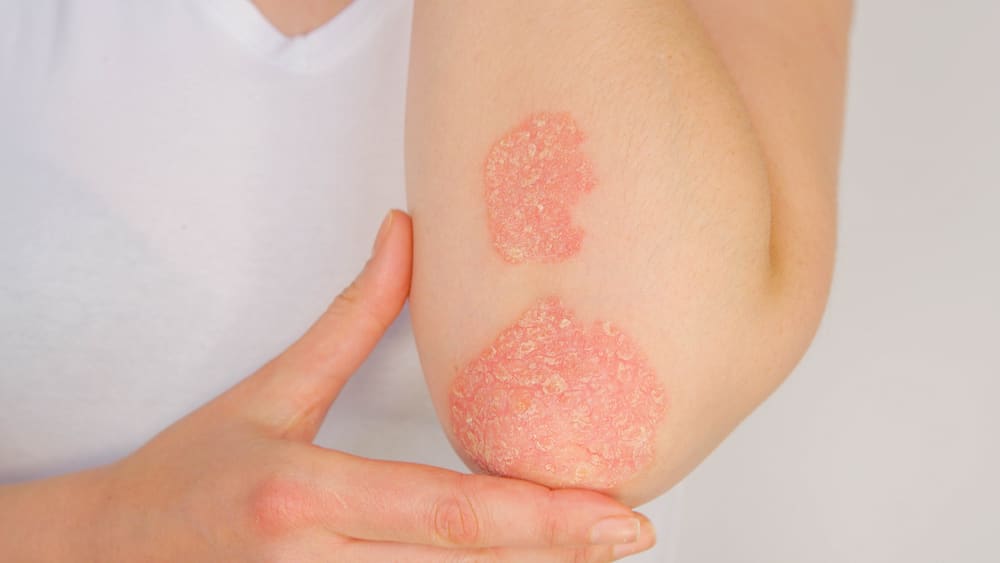
Psoriasis is a chronic autoimmune condition that affects about 3 percent of the global population. This makes it one of the most common skin disorders in the world. In the United States alone, about 8 million people are living with it, most of whom were first diagnosed between the ages of 15 to 25 (although the condition can develop at any age).
The most common type of psoriasis, known as plaque psoriasis, is characterized by a rapid growth of skin cells which pile up on the skin in red patches (especially near the scalp, elbows, lower back, and knees). These excessive skin cells are mistakenly attacked by a person's own immune system, leading to inflammation and irritation.
But there's more to this autoimmune condition than intermittent skin problems. Keep reading to learn more about psoriasis, including what your treatment options are if you or a loved one are affected.
Common Psoriasis Signs and Symptoms
Top physical signs and symptoms of psoriasis—whether mild, moderate, or severe—can disrupt a person's daily life. These signs and symptoms, which tend to come in cycles of flare-ups and remissions, include:
- Red, inflamed, scaly, and raised patches of skin (there may also be white or silver plaques covering the patches)
- Dry skin that can crack, bleed, and/or become infected
- Pain, soreness, itching, and burning around the patches
- Thick and pitted nails
- Fatigue
- Painful and swollen joints (related to joint, ligament, and tendon irritation due to psoriatic arthritis, which affects about 30 percent of people with psoriasis)
As you might imagine, the physical affects are only part of the challenge of living with psoriasis. The emotional distress and frustration that psoriasis often causes may lead to psychological affects, too, including:
- Social isolation
- Depression
- Anxiety
While there's a strong genetic component, psoriasis isn't contagious. However, many people don't realize this, and this lack of understanding can lead to even further stigma, shame, and embarassment for individuals living with the condition. Severe cases of psoriasis, in which a person's ability to function is negatively impacted, may also lead to disability, further impairing their quality of life and level of independence.
Pyschological and Physical Symptoms of Psoriasis: Does it Go Both Ways?
Interestingly, research indicates psychological issues such as emotional stress can trigger psoriasis flare-ups. At the same time, physical symptoms of psoriasis may exacerbate depression and other psychological issues. In other words, the link between physical and psychological symptoms of psoriasis may be bi-directional, and researchers are investigating several possible undelrying structures and pathways which may explain this, including the hypothalamic–pituitary–adrenal (HPA) axis, sympathetic nervous system activation, and altered neurochemical signaling.
In case you were wondering, other triggers that may lead to a flare-up of psoriasis symptoms include alcohol, injury or infection, and the use of certain medications.
Leading Treatment for Psoriasis: Managing the Physcial and Psychological Affects
As we've learned, psoriasis is not merely a cosmetic problem—and therefore, it shouldn't be treated like one. The best treatment for psoriasis must be customized to support both the physical and psychological needs of the individual. It's also important that any other underlying health problems are adequately addressed. For instance, did you know that psoriasis often co-occurs with other conditions like cancer, cardiovascular disease, and diabetes?
So, in addition to identifying and preventing these co-morbidities, here are a few things a doctor (including your primary care physician, dermatologist, or immunologist) may recommend for you or your loved one live with psoriasis:
- Topical medications: these are placed directly on the skin to support skin health and reduce inflammation and pain, and seem to be most effective for more mild to moderate cases. Examples of medications applied topically include corticosteroids, retinoids, vitamin D analogues, salicylic acid, and moisturizers.
- Systemic medicaitons: taking orally or via an injection, systemic medications work inside the body to suppress immune system overactivity, reduce inflammation, or even prevent skin cell formation. They tend to be used for moderate to severe cases of psoriasis and often have unpleasant side effects, including liver damage or birth defects. Examples include methotrexate, biologics, cyclosporine, and systemic retinoids.
- Ultraviolet (UV) light therapy: also known as phototherapy, light therapy involves medically supervised and regular exposure to UVA and UVB radiation. Light therapy is shown to be effective treatment for psoriasis that can prolong symptom remission and speed healing, at least in some individuals.
- Mental health counseling and social support: research tells us that psychological wellness interventions including cognitive behavioral therapy (CBT) is effective and helpful, especially in people with more severe cases.
If you have psoriasis, your doctor will also likely recommend certain lifestyle and dietary changes (such as the avoidance of red meats and processed foods) which may promote weight loss, reduced inflammation, and improved mood.
Living Life With Psoriasis?
Are you or a loved one impacted by psoriasis? There are other people experiencing similar challenges! Find support, tips, and additional resources by connecting with our Healthread community today. You can also find additional support here:
- TalkPsoriasis Support Community (from the National Psoriasis Foundation)
- The Psoriasis and Psoriatic Arthritis Alliance (a UK-based charitable organization)
- American Academy of Dermatology (useful for finding a dermatologist near you)
Sources
- 1offeringhope.org/9-common-skin-disorders/
- 2dermatologytimes.com/view/can-psychotherapy-help-psoriasis-patients
- 3psoriasis.org/about-psoriasis/treatments/phototherapy
- 4onlinelibrary.wiley.com/doi/10.1111/bjd.16116
- 5psoriasis.org/treating-psoriasis/complementary-and-alternative/diet-and-nutrition/anti-inflammatory-diet
- 6healthline.com/health/psoriasis
- 7psoriasis.org/content/statistics
General information, not medical advice
This article can't account for your health history or current treatment. Talk to a qualified clinician before you change anything about your care.
Read our medical disclaimer →
On this page
Common Psoriasis Signs and Symptoms
Pyschological and Physical Symptoms of Psoriasis: Does it Go Both Ways?
Leading Treatment for Psoriasis: Managing the Physcial and Psychological Affects
Living Life With Psoriasis?
Sources
Put what you read to work
Track your medicines, check a symptom and talk with people managing the same condition, all in Healthread.
Get the app
Keep reading

Beauty and Anti-Aging
Gastric Balloon for Weight Loss
The gastric balloon weight loss procedure is a new FDA-approved minimally invasive bariatric procedure for treating obesity. It is a temporary procedure that involves placing a saline-filled silicone balloon in the…
June 19, 2025 · 3 min read
Beauty and Anti-Aging
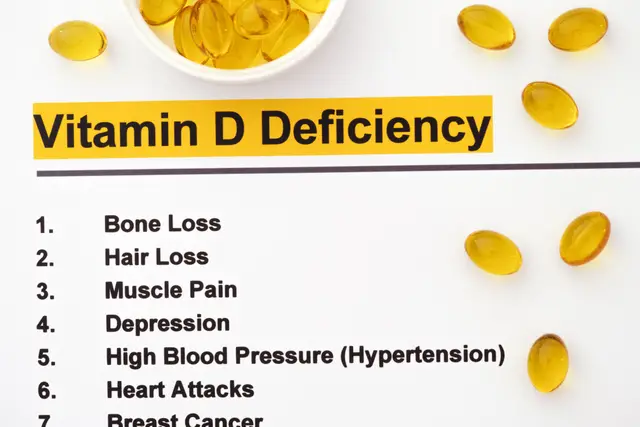
Vitamin D Deficiency
Also known as the sunshine vitamin, vitamin D is an essential nutrient that is naturally absorbed by the skin through exposure to sunlight. It can also be obtained from dietary sources and supplements.
December 30, 2024 · 3 min read
Beauty and Anti-Aging
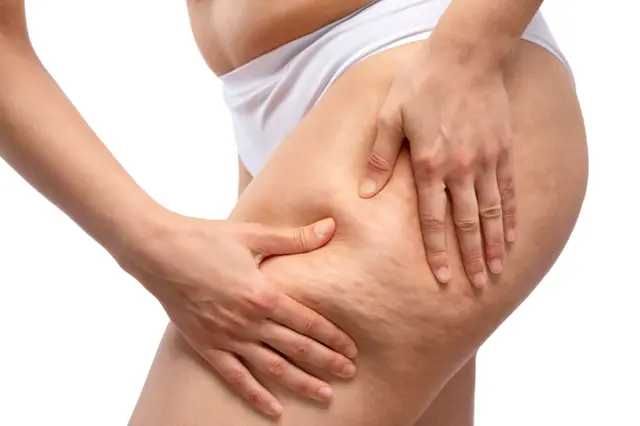
Cellulite
Cellulite appears with an orange peel or cottage cheese-like texture with a dimpled or lumpy skin surface. Mild cellulite is visible when you pinch the area with cellulite, like the thighs. Severe cellulite can make the…
August 13, 2024 · 3 min read


© 2026 Healthread
English · Español
Healthread does not provide medical advice, diagnosis or treatment. Always speak to a qualified clinician about your care.