

Psoriasis - Natural remedies and Medical Treatment
December 9, 2021
4 min read
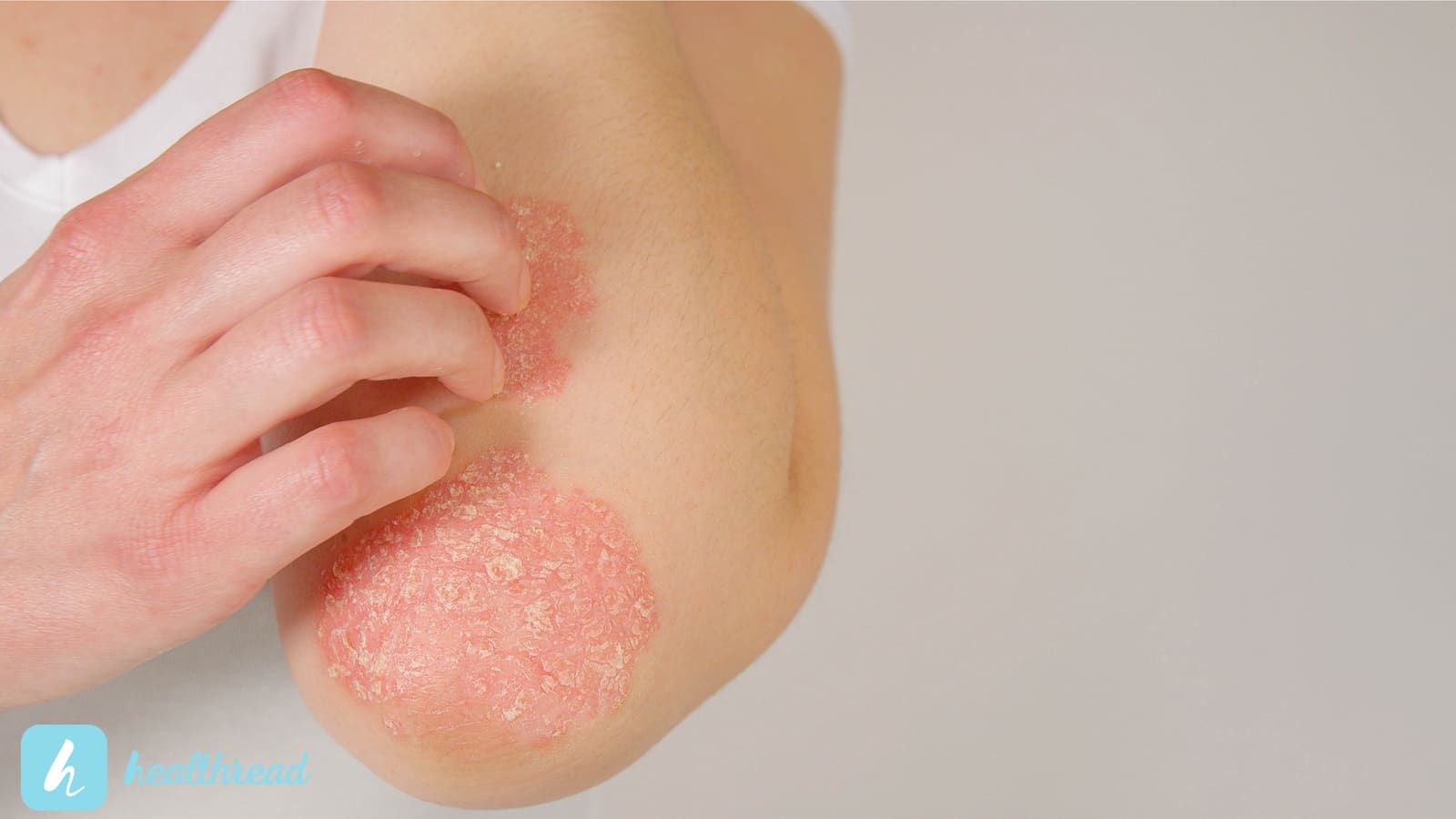
More than 8 million people in the United States has psoriasis, according to the National Psoriasis Foundation. For the people who have this skin disease, psoriasis is more than a cosmetic issue – it is a large problem in their everyday lives. The condition causes red, itchy scaly patches that most commonly develop on the scalp, elbows, trunk, and knees. It is a long-term chronic condition that tends to go through cycles in which symptoms flare for a few weeks or months before subsiding, or going into remission.
Normally, skin cells develop deep in the skin then rise to the surface and fall off at about the same rate as the body produces new skin cells; the typical lifespan of a skin cell is about a month. In people with psoriasis, the body produces skin cells so rapidly that the older skin cells do not have time to fall off. The rapid overproduction of skin cells causes a buildup of these cells at the surface of the skin. These buildups can cause the appearance of scales.
Psoriasis is an autoimmune condition, which means overactive white blood cells (WBCs) of the immune system mistakenly attack healthy skin cells. The body responds to the attack on skin cells by rapidly producing more skin cells. This rapid production can cause a buildup in skin cells in various parts of the body.
The overabundance of skin cells causes the visible signs and symptoms of psoriasis, which can include:
- red patches of skin, known as lesions
- thick, silvery patches, known as scales
- small, scaling spots (this is more commonly seen in children with psoriasis)
- dry, cracked skin that tends to itch or bleed
- itching, burning or sore skin
- thickened fingernails or toenails, or pitted or ridged nails
- swollen, stiff joints
Some people have psoriatic arthritis, a condition causes the same symptoms of psoriasis but also causes the joint pain and stiffness of arthritis.
Medical Treatments for Psoriasis
While there is no cure for psoriasis, treatment can help reduce inflammation and scales, slow the growth of skin cells, and remove plaques. Doctors typically treat psoriasis with topical medications that the patients rub on the affected areas of skin, oral or injected systemic medications, and light therapy. Some natural treatments may be effective for some people with psoriasis, especially when used in conjunction with medical treatments.
Topical treatments
Applying creams and ointments can help reduce mild to moderate psoriasis. These topical treatments for psoriasis include:
- topical corticosteroids that control inflammation to reduce swelling and redness/discoloration caused by lesions
- anthralin that slows down the growth of skin cells
- topical retinoids that slow rapidly-growing skin cells
- salicylic acid that causes the outer layers of skin to peel and shed
- synthetic vitamin D that slows rapidly growing skin cells
- Moisturizer that reduces dry skin
Systemic medications
Doctors may recommend these medications to patients with moderate to severe psoriasis, and to those who have not responded well to other types of treatment. Systemic medications for psoriasis include:
- methotrexate
- retinoids
- cyclosporine (Sandimmune)
- biologics
Light therapy
This treatment harnesses the power of ultraviolet (UV) or natural light, which kills the overactive white blood cells triggering the rapid growth of skin cells.
Natural Remedies for Psoriasis
Many people experiencing moderate to severe psoriasis benefit from a combination of treatments to reduce symptoms. Some people benefit from integrative approaches that use both medical treatments and natural remedies.
Aloe vera
Aloe vera can soothe skin, reduce inflammation, and prevent skin from drying out. Look for topical creams that contain 0.5 percent aloe. Applying aloe plant gel directly to the skin up to three times a day may bring relief from symptoms of psoriasis.
Apple cider vinegar
Applying organic apple cider vinegar to the scalp can help prevent scalp itch from psoriasis. Allow to air dry.
Capsaicin
Capsaicin is the compound that gives peppers their heat. Capsaicin can also block the nerve endings that transmit pain signals, and help reduce inflammation, redness, and scaling associated with psoriasis.
Dead sea salts
Soaking in a warm bath of Epsom salts or dead sea salts for 15 minutes can remove scaling and relieve itching associated with psoriasis.
Oats
Applying oat paste to the skin or adding oats to bathwater may alleviate itching.
Tea tree oil
Tea tree oil shampoo may alleviate symptoms of psoriasis of the scalp.
Turmeric
Turmeric gives curry its color and flavor; it also has powerful anti-inflammatory and antioxidant properties that can minimize flares of psoriasis.
Mahonia
Mahonia is a powerful antimicrobial herb that plays a role in the body’s immune response and is effective in treating mild to moderate psoriasis.
It is essential for patients to talk with their healthcare providers before trying any integrative treatment approaches that combine natural treatments with medical treatments. It is particularly important to talk with a healthcare provider before taking any herbal remedies, as they may cause dangerous interactions with certain medications. Furthermore, people who are pregnant, breastfeeding, or have pre-existing medical conditions, such as diabetes or high blood pressure, should avoid taking some herbal remedies. Anyone who experiences side effects from integrative treatments should stop using the natural remedies immediately and consult with a healthcare provider.
Sources
General information, not medical advice
This article can't account for your health history or current treatment. Talk to a qualified clinician before you change anything about your care.
Read our medical disclaimer →
On this page
Medical Treatments for Psoriasis
Topical treatments
Systemic medications
Light therapy
Natural Remedies for Psoriasis
Aloe vera
Apple cider vinegar
Capsaicin
Dead sea salts
Oats
Tea tree oil
Turmeric
Mahonia
Sources
Put what you read to work
Track your medicines, check a symptom and talk with people managing the same condition, all in Healthread.
Get the app
Keep reading

Beauty and Anti-Aging
Gastric Balloon for Weight Loss
The gastric balloon weight loss procedure is a new FDA-approved minimally invasive bariatric procedure for treating obesity. It is a temporary procedure that involves placing a saline-filled silicone balloon in the…
June 19, 2025 · 3 min read
Beauty and Anti-Aging
Vitamin D Deficiency
Also known as the sunshine vitamin, vitamin D is an essential nutrient that is naturally absorbed by the skin through exposure to sunlight. It can also be obtained from dietary sources and supplements.
December 30, 2024 · 3 min read
Beauty and Anti-Aging
Cellulite
Cellulite appears with an orange peel or cottage cheese-like texture with a dimpled or lumpy skin surface. Mild cellulite is visible when you pinch the area with cellulite, like the thighs. Severe cellulite can make the…
August 13, 2024 · 3 min read


© 2026 Healthread
English · Español
Healthread does not provide medical advice, diagnosis or treatment. Always speak to a qualified clinician about your care.