

Any chronic health condition can be frustrating, but especially ones which affect a person's appearance. For people with the chronic skin condition known as rosacea, managing their symptoms can sometimes feel like a heavy struggle.
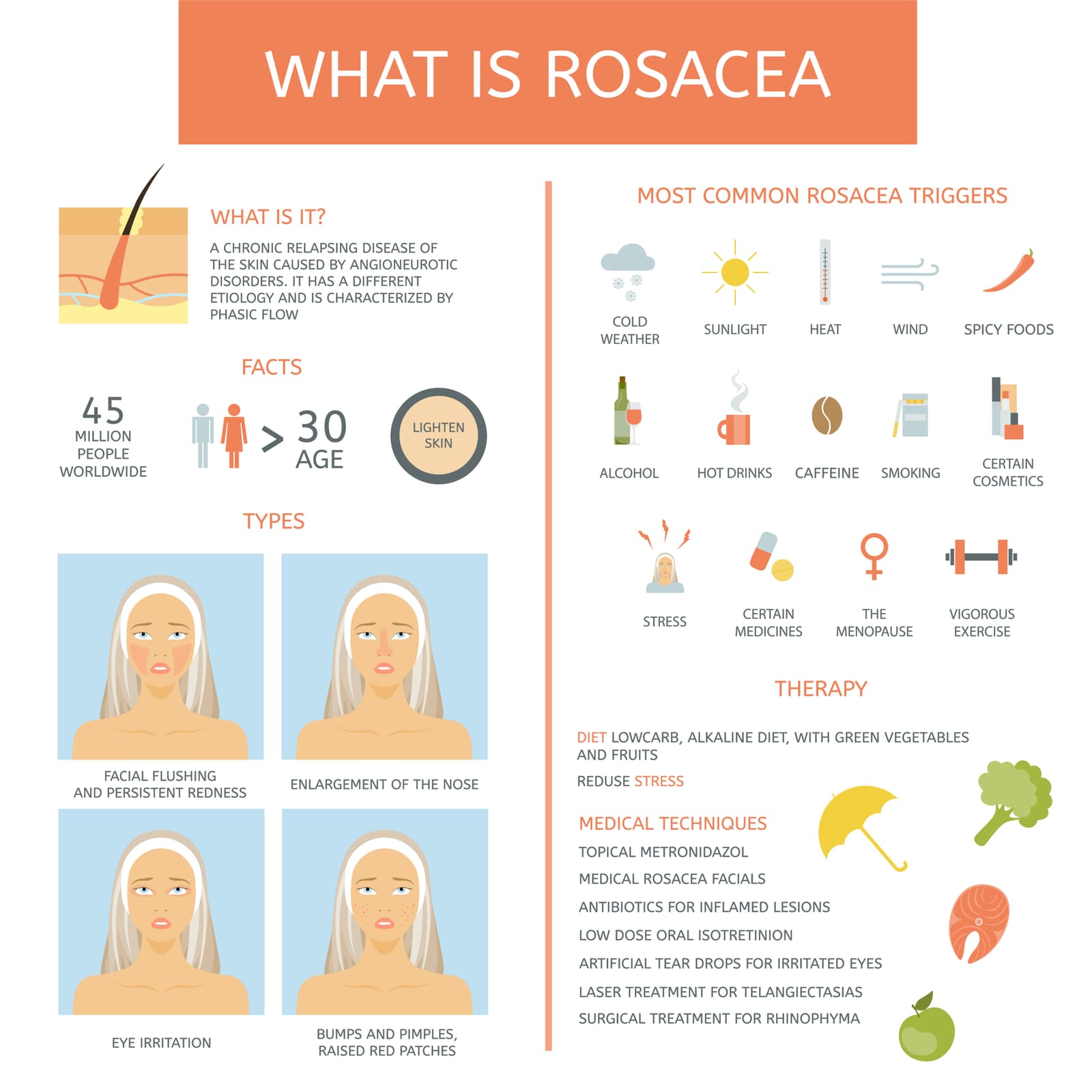
About 415 million people worldwide are living with rosacea. Keep reading to learn more about this condition and discover some helpful things to keep in mind if you or a loved one are living with it.
What is Rosacea?
Rosacea (say “roh-ZAY-sha”) is a chronic inflammatory skin condition that leads to redness and other symptoms on the face. Doctors are still learning about what causes rosacea and why some people develop it by others don't. Certain risk factors for rosacea have been proposed, including:
· Age between 30 and 50
· Being fair-skinned and/or tending to blush easily
· Being of Celtic or Scandinavian decent
· Family history of rosacea or other skin conditions such as severe acne
· A personal history of severe acne
In addition to these risk factors, research has uncovered some other clues about the origins and causes of rosacea. For instance, it's been discovered that people with rosacea tend to have an overactive immune response against a certain type of bacteria called bacillus oleronius. Another type of bacteria called H. pylori also is common in people with rosacea (although it is possible to have an H. pylori infection and not have rosacea). People with rosacea also tend to have a large amount of demodex mites on their skin. Demodex mites are tiny organisms that live on everyone's skin, but appear to be more predominant in people with this condition.
In addition, some researchers believe that people with rosacea process a protein in the body called cathelicidin differently than people without this condition, which may lead to rosacea symptoms.
While none of these potential factors or issues have been proven to cause rosacea, they do provide researchers some helpful ideas on how to study this condition and investigate different treatment and prevention options.
Signs and Symptoms of Rosacea
People with rosacea often first notice intermittent flushing or redness on their cheeks, nose, chin or forehead (although the ears, back, and chest can be affected, too). These people tend to blush more easily than other people. Over time, the redness may become more persistent and "ruddy," and blood vessels in the skin may start to appear. Bumps and pimples may also develop (however, this condition is different than acne).
Symptoms of rosacea tend to be more severe in men, even though the condition is more frequently diagnosed in women. In advanced cases, rosacea may cause the nose to become larger and bumpier (rhinophyma) due to excessive skin growth and inflammation. About half of people with rosacea also experience bloodshot or watery, irritated eyes.
The exact type of signs and symptoms a person will develop depend on the specific type of rosacea they have. There are four types, and a person can have more than one type. They include:
- Erythematotelangiectatic rosacea: this causes symptoms like facial redness, flushing, visible blood broken vessels (spider veins), swollen and sensitive skin, skin that is dry, rough, or scaly
- Papulopustular rosacea: this causes very red and acne-like breakouts of pimples or raised patches of skin called plaques; the skin may also be oily or feel very sensitive
- Phymatous rosacea: this causes thickening and bumpiness of the skin; skin may be oily and the pores can look larger than usual
- Ocular rosacea: this is the type of rosacea that can affect a person's eyes; they may notice burning, stinging, watery, gritty, dry, or itchy eyes that look bloodshot and are highly sensitive to light
Living with Rosacea: Diagnosis, Treatment, and Symptom Management
Having a skin condition like rosacea can present with many physical and emotional challenges. Getting the correct diagnosis is the first step in improving quality of life, because it helps ensure a person will receive appropriate treatment.
Since there's no specific test that can diagnose rosacea, a doctor (such as a dermatologist) will usually evaluate a person's skin, their medical and family history, and other tests that can rule out other types of skin conditions (like eczema, psoriasis, and lupus) before making a diagnosis. Individualized treatment plans, which mostly aim to reduce the severity and frequency of symptoms and flare-ups, can include oral (Tetracycline,Doxyycycline or Minocycline )and topical medications( Metronidazole,azelaic acid ivermectin and Sodium sulfacetamide), laser therapy, and light-based therapies. Complications of rosacea, such as skin infections or psychological distress, may also require treatment. Patients with refractory disease can also benefit from Isotretnoin therapy.
For individuals with this condition, identifying and learning how to manage triggers of rosacea flare-ups is important. Surveys of people with this condition reveal the most common triggers to be:
- Sunlight exposure
- Stress
- Heat exposure
- Wind
- Heavy exercise
- Alcohol
- Spicy foods
- Humidity
- Certain types of cosmetics or medications
Looking for helpful ways to manage your rosacea and improve your skin health? Need some emotional support? There are plenty of other people just like you are living with rosacea. Connect with some of them here on Healthread today.
Sources
https://www.rosacea.org - National Rosacea Society
General information, not medical advice
This article can't account for your health history or current treatment. Talk to a qualified clinician before you change anything about your care.
Read our medical disclaimer →
On this page
What is Rosacea?
Signs and Symptoms of Rosacea
Living with Rosacea: Diagnosis, Treatment, and Symptom Management
Sources
Put what you read to work
Track your medicines, check a symptom and talk with people managing the same condition, all in Healthread.
Get the app
Keep reading

Beauty and Anti-Aging
Gastric Balloon for Weight Loss
The gastric balloon weight loss procedure is a new FDA-approved minimally invasive bariatric procedure for treating obesity. It is a temporary procedure that involves placing a saline-filled silicone balloon in the…
June 19, 2025 · 3 min read
Beauty and Anti-Aging
Vitamin D Deficiency
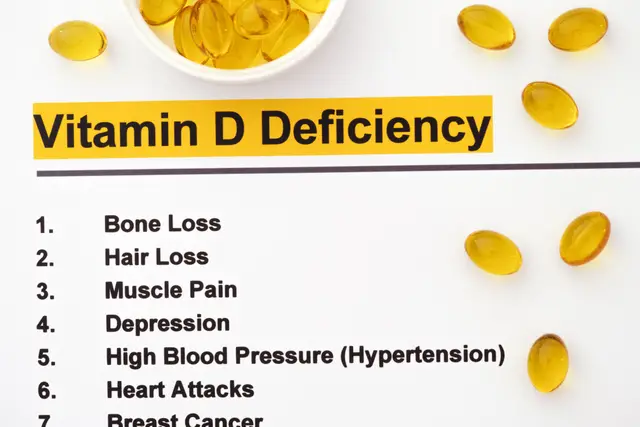
Also known as the sunshine vitamin, vitamin D is an essential nutrient that is naturally absorbed by the skin through exposure to sunlight. It can also be obtained from dietary sources and supplements.
December 30, 2024 · 3 min read
Beauty and Anti-Aging
Cellulite
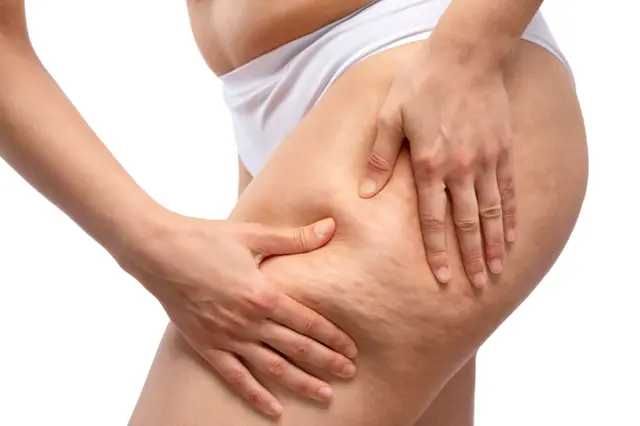
Cellulite appears with an orange peel or cottage cheese-like texture with a dimpled or lumpy skin surface. Mild cellulite is visible when you pinch the area with cellulite, like the thighs. Severe cellulite can make the…
August 13, 2024 · 3 min read


© 2026 Healthread
English · Español
Healthread does not provide medical advice, diagnosis or treatment. Always speak to a qualified clinician about your care.