

Smart Hearing AIDS: Advancement in Hearing Aid Technology
February 10, 2021
3 min read
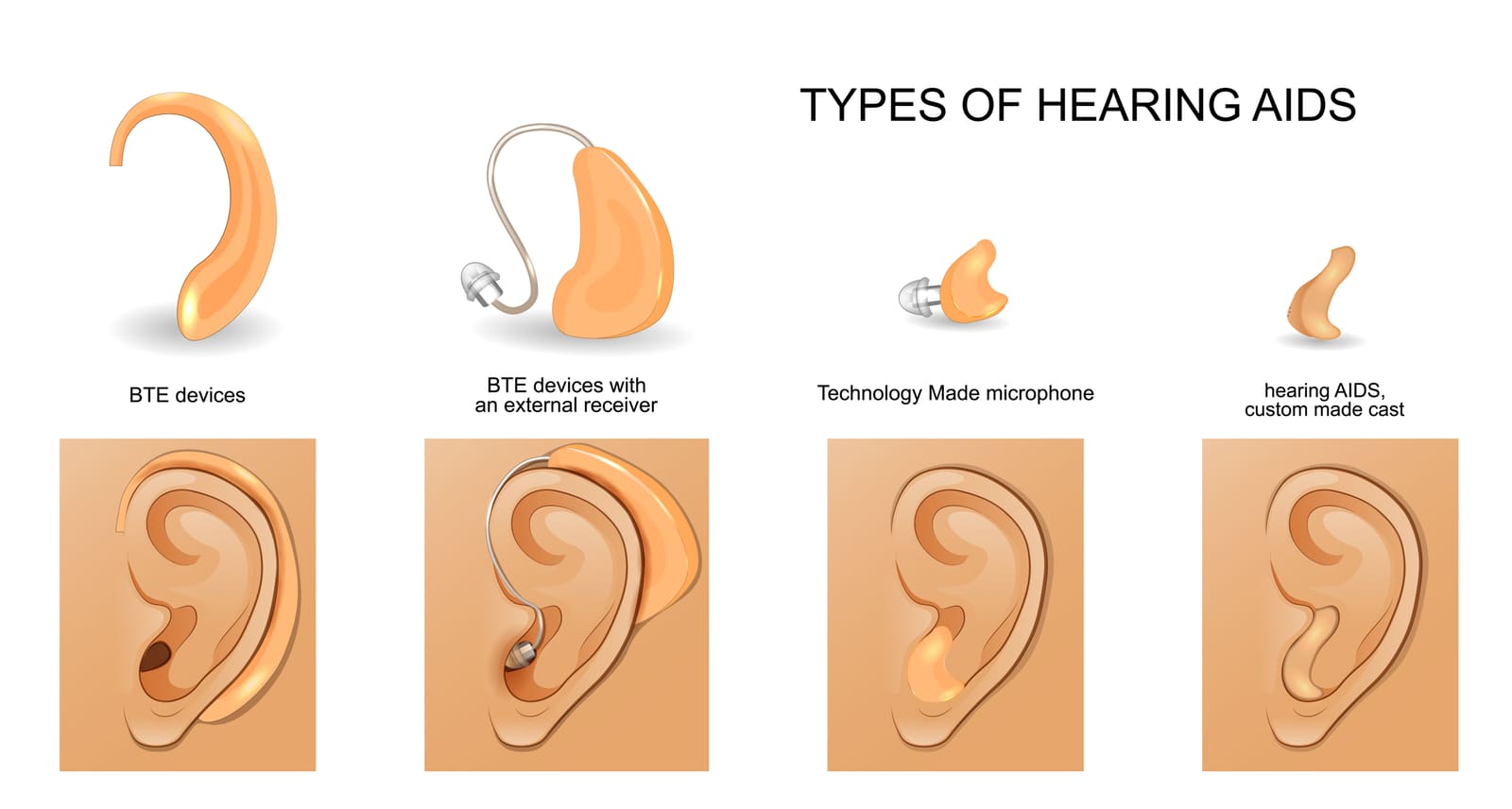
With the increase in the level of technology, hearing aid technology is becoming more automatic and includes advanced features to help individuals communicate better in challenging listening situations. Innovative technology can now help you or your loved one hear more clearly, but also detect things like a fall or heart rate.
Advanced technologies translate to greater benefits in hearing aids. Below are some advancements in hearing aid technology.
1. Artificial Intelligence
Algorithms enable the hearing device to:
- Analyze your environment and the different sounds that come in
- Identify specific people and sounds
- Automatically adjust the audio based on your hearing loss level and preferences you preselect
The hearing device learns how to identify certain voices in order to focus on what's familiar, decreasing the need for you to adjust it manually throughout the day.
2. Fall Detection
Similar to new smartwatches, certain high-tech hearing devices are able to determine if you've taken a fall. Then, they connect to your smartphone wirelessly to text contacts you've preselected or 911. In order for this feature to work properly, however, the hearing device needs to stay next to the smartphone it's paired up with.
3. Ear-to-Ear Connection Hearing Aid Synchrony
Older hearing devices used to function as monaural devices, which means the hearing device for your left ear and that of your right ear worked independently from one another. With the ear-to-ear connection feature, referred to as binaural capability, the hearing devices are attached to a wireless signal. First, if you adjust one hearing device, your desired change will also take effect automatically on the other hearing device.
Next, rather than you being bombarded with various sounds that come into each ear depending on the person you're talking to, hearing devices that have ear-to-ear connection create an overall sound that will resemble natural hearing.
4. Innovations in Hearing Aid Apps
Two app categories also exist for connecting your hearing device with your tablet or smartphone.
- Category one is hearing aid amplifier apps, which use their built-in microphone to amplify the outside noises around you. Certain ones can also help equalize noise between your ears and reduce background noise while they bring certain noises to the forefront.
- Category two is hearing aid controller apps, which allow you to adjust and control your hearing device directly from your smartphone app. The common more popular control apps are made by several top manufacturers of hearing devices and are both Android and iPhone compatible.
5. Bluetooth Compatibility
This is a wireless feature enabling hearing devices to connect to devices using Bluetooth, frequently through an intermediary device. This Bluetooth technology can eliminate feedback from the microphone and improve the signal-to-noise ratio due to the signal bypassing the microphone and entering directly into your hearing device's processor. You're less likely to experience interference too with a Bluetooth connection, which often occurs with an FM system.
Foundations and Societies for Smart Hearing Aids
1. Hearing Health Foundation: The mission of the Hearing Health Foundation is preventing and curing tinnitus and hearing loss through innovative research and promoting hearing health.
2. Hearing Loss Association of America: This is a tax-exempt, charitable organization that, under the IRS Code 501(c)(3) code, is eligible to receive tax-deductible contributions.
Subscribe to Healthread if you or a Loved One Are Struggling with Hearing Loss
At Healthread, you can share your stories, find support and gain insight and inspiration by connecting with others who are in the same situation. This will allow you to fill the remaining void where you can learn from others' experiences and share your own. This offers you the much-needed support beyond your friends, family and doctor.
Being a member of the Healthread community you can use the mobile app and the web app.
Sources
- 1healthyhearing.com/help/hearing-aids/technology
- 2aarp.org/health/conditions-treatments/info-2020/smart-hearing-aid-features/
- 3aarp.org/health/conditions-treatments/info-2020/smart-hearing-aid-features/#:~:text=Among%20the%20newest%20innovations%20now%20available%3A&text=Artificial%20intelligence.,hearing%20loss%20and%20preselected%20preferences
- 4aarp.org/health/conditions-treatments/info-2019/hightech-advances-in-hearing-aids.html
- 5retirementliving.com/hearing-aid-technology
- 6wsj.com/articles/hearing-aids-are-getting-smarter-11568599441
- 7ncbi.nlm.nih.gov/pmc/articles/PMC4111503/
- 8journals.lww.com/thehearingjournal/fulltext/2017/12000/A_New_Landscape_for_Hearing_Aids.2.aspx
- 9everydayhealth.com/healthy-living/whats-new-in-hearing-technology/
- 10medicalfuturist.com/future-of-hearing/
- 11mountnittany.org/articles/advancements-in-hearing-aid-technology
- 12boystownhospital.org/knowledge-center/digital-hearing-aid-technology
General information, not medical advice
This article can't account for your health history or current treatment. Talk to a qualified clinician before you change anything about your care.
Read our medical disclaimer →
On this page
1. Artificial Intelligence
2. Fall Detection
3. Ear-to-Ear Connection Hearing Aid Synchrony
4. Innovations in Hearing Aid Apps
5. Bluetooth Compatibility
Foundations and Societies for Smart Hearing Aids
Subscribe to Healthread if you or a Loved One Are Struggling with Hearing Loss
Sources
Put what you read to work
Track your medicines, check a symptom and talk with people managing the same condition, all in Healthread.
Get the app
Keep reading

Beauty and Anti-Aging
Gastric Balloon for Weight Loss
The gastric balloon weight loss procedure is a new FDA-approved minimally invasive bariatric procedure for treating obesity. It is a temporary procedure that involves placing a saline-filled silicone balloon in the…
June 19, 2025 · 3 min read
Beauty and Anti-Aging
Vitamin D Deficiency
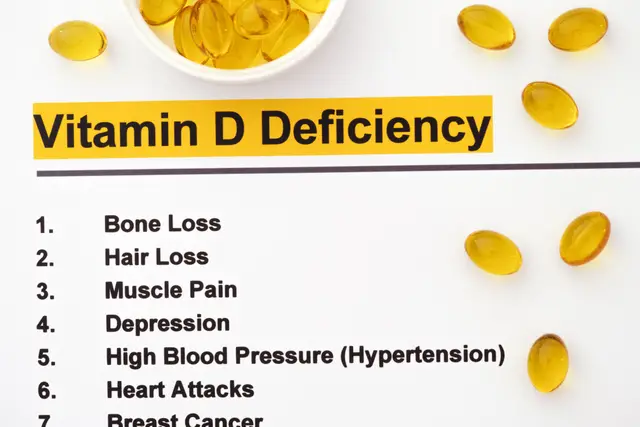
Also known as the sunshine vitamin, vitamin D is an essential nutrient that is naturally absorbed by the skin through exposure to sunlight. It can also be obtained from dietary sources and supplements.
December 30, 2024 · 3 min read
Beauty and Anti-Aging
Cellulite
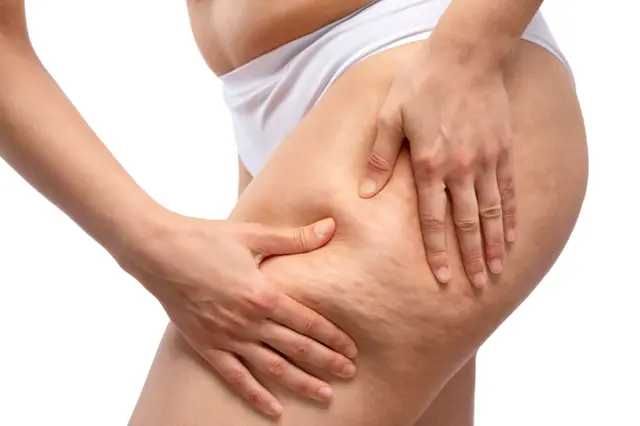
Cellulite appears with an orange peel or cottage cheese-like texture with a dimpled or lumpy skin surface. Mild cellulite is visible when you pinch the area with cellulite, like the thighs. Severe cellulite can make the…
August 13, 2024 · 3 min read


© 2026 Healthread
English · Español
Healthread does not provide medical advice, diagnosis or treatment. Always speak to a qualified clinician about your care.