

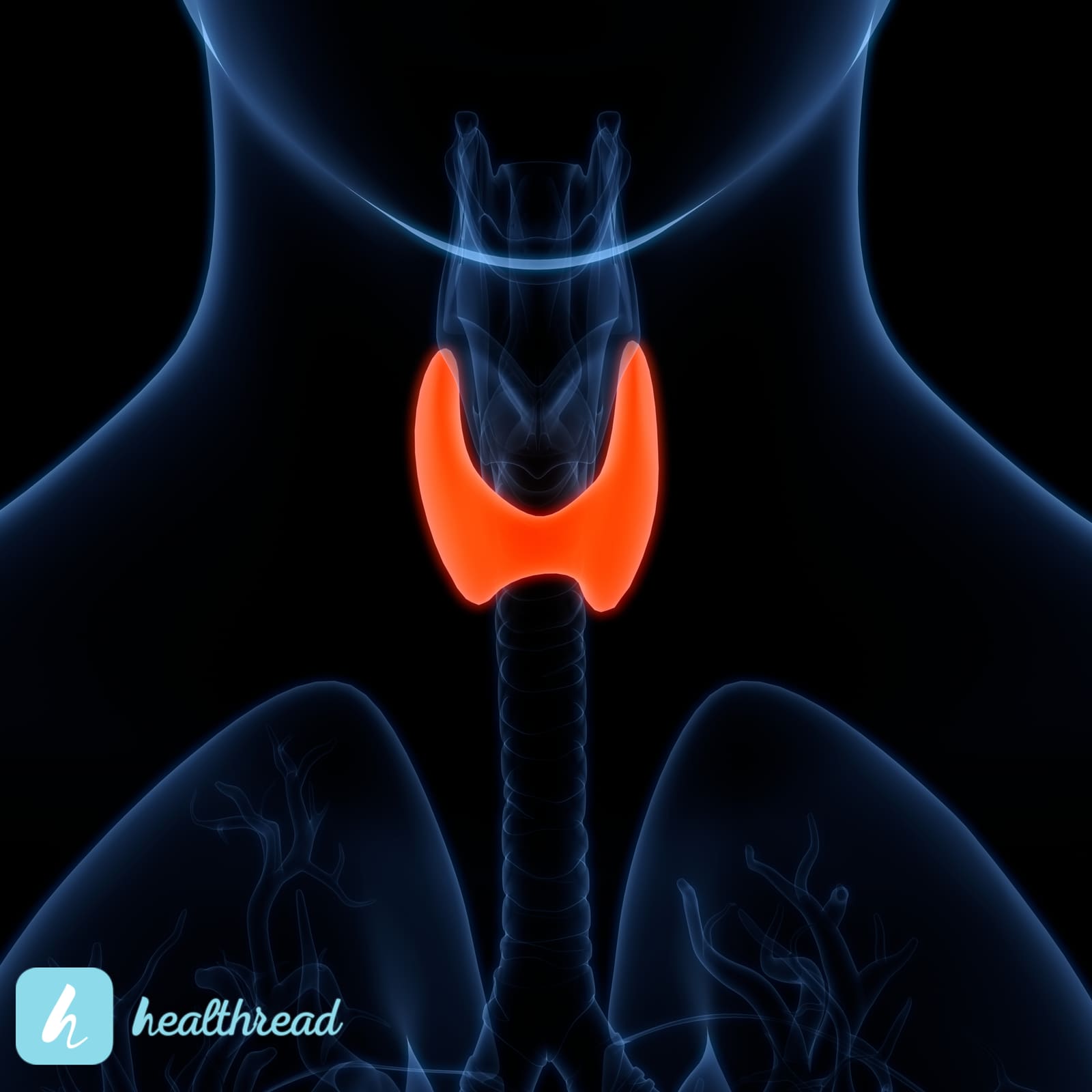
Thyroid eye disease (TED), also known as Graves’ ophthalmopathy or Graves’ eye disease, is a rare autoimmune disease leading to inflammation and swelling of the tissue around the eyes. As an autoimmune disease, the immune system of an affected individual attacks healthy tissues instead of diseased ones.
Thyroid eye disease usually occurs in people with an overactive thyroid due to Graves’ disease. Graves’ disease is the most common cause of hyperthyroidism in the United States.
As an autoimmune disease, Graves’ disease results in the overactivity of the thyroid gland. It is more commonly found among women than men. Up to 50% of people diagnosed with Graves’ disease develop TED.
Signs and Symptoms of Thyroid Eye Disease
Common symptoms during the active phase of thyroid eye disease (about six months to two years) include pain, discomfort and redness of the eyes, swelling and abnormal positioning of the eyelids, watery eyes, proptosis (bulging eyes), and diplopia (double vision).
Once the active phase subsides, what follows is known as the inactive phase, where disease progression has stopped; however, proptosis and diplopia have been known to persist during this phase. Vision loss can occur in extreme cases.
Thyroid eye disease causes a wide range of symptoms ranging from mild to severe. Eye symptoms generally occur within six months of diagnosis with Graves’ disease. Graves’ disease results in the immune system attacking the tissue around the eye, leading to inflammation and swelling which results in:
- Puffiness around the eyes
- Dry, gritty, irritated eyes
- Proptosis (bulging eyes)
- Diplopia (double vision)
- Redness, discomfort, and pain
- Sensitivity to light
Further swelling may lead to:
- Increased pressure in the eye socket
- Trouble moving or closing eyes
- Pressure-pain or headaches, made worse by eye movements
- Poor vision, colors appear not as bright or even dull.
- Blurred or even loss of vision due to corneal damage or compression of the optic nerve.
Causes of Thyroid Eye Disease
Thyroid eye disease is caused by an autoimmune response where the tissue around the eyes is attacked, causing inflammation, swelling, and scarring of the ocular tissue. In severe cases there is damage done to the optic nerve or cornea, resulting in loss of vision. 10% of individuals diagnosed with Thyroid eye disease develop severe cases.
Eye symptoms can develop within six months of Graves’ disease diagnosis, although Graves’ disease does not directly cause TED. Both thyroid eye disease and Graves’ disease result in a similar immune response of an attack on healthy tissue but one does not directly result in the other.
Risk Factors
Approximately one million Americans are diagnosed with thyroid eye disease each year. Thyroid eye disease is also known to occur in affected individuals with normal or low levels of thyroid hormones (hypothyroid). However, it is most common among individuals with overactive thyroids causing an increase in thyroid hormone production (hyperthyroidism).
Some Risk Factors include:
- Family history: increased risk among those with a family history of thyroid eye disease
- Low blood levels of selenium: Growing evidence supports nutritional deficiency of selenium may involve TED.
- Radioactive iodine therapy: Radioactive iodine therapy is often used to treat people with Thyroid eye disease; however, it may make the condition worse if it is not simultaneously paired with steroids
Thyroid Eye Disease Treatment and Management
Contact your primary care physician and/or ophthalmologist if you think you have thyroid eye disease. Thyroid eye disease can be treated by your ophthalmologist, underlying thyroid issues are managed by your primary care physician, and hormonal treatment can be managed by an endocrinologist.
Treatment includes medication aimed to reduce hormones produced by the thyroid gland, in order to return your thyroid to normal function. Radioactive iodine is used to eliminate hormone-producing cells and various surgeries including eyelid surgery, eye muscle surgery, and orbital decompression surgery.
More treatments include quitting smoking (if you are a smoker), steroids to reduce swelling, taping over your eyelids to protect your corneas while sleeping, and elevating your head to reduce swelling.
A recent breakthrough drug reviewed in a clinical trial by the University of Michigan Kellogg Eye Centers offers additional help and hope for those with severe to moderate thyroid eye disease. Patients treated with tetrotumumab experienced a reduced severity of symptoms.
Foundations and Societies
Get Support for Thyroid Eye Disease
Newly diagnosed with thyroid eye disease or know someone that was? You can talk with other Healthread users who might have or have had TED about your symptoms and management.
Sources
- 1ncbi.nlm.nih.gov/pmc/articles/PMC509348/
- 2ncbi.nlm.nih.gov/pmc/articles/PMC4655452/
- 3ncbi.nlm.nih.gov/pmc/articles/PMC6844498/
- 4thyroid.org/patient-thyroid-information/ct-for-patients/april-2020/vol-13-issue-4-p-9-11/#:~:text=After%20radioactive%20iodine%20therapy%
- 5umkelloggeye.org/conditions-treatments/thyroid-eye-disease
- 6rarediseases.org/rare-diseases/thyroid-eye-disease/
- 7my.clevelandclinic.org/health/diseases/17558-thyroid-eye-disease
- 8umkelloggeye.org/conditions-treatments/thyroid-eye-disease
General information, not medical advice
This article can't account for your health history or current treatment. Talk to a qualified clinician before you change anything about your care.
Read our medical disclaimer →
On this page
Signs and Symptoms of Thyroid Eye Disease
Causes of Thyroid Eye Disease
Risk Factors
Thyroid Eye Disease Treatment and Management
Foundations and Societies
Get Support for Thyroid Eye Disease
Sources
Put what you read to work
Track your medicines, check a symptom and talk with people managing the same condition, all in Healthread.
Get the app
Keep reading

Beauty and Anti-Aging
Gastric Balloon for Weight Loss
The gastric balloon weight loss procedure is a new FDA-approved minimally invasive bariatric procedure for treating obesity. It is a temporary procedure that involves placing a saline-filled silicone balloon in the…
June 19, 2025 · 3 min read
Beauty and Anti-Aging
Vitamin D Deficiency
Also known as the sunshine vitamin, vitamin D is an essential nutrient that is naturally absorbed by the skin through exposure to sunlight. It can also be obtained from dietary sources and supplements.
December 30, 2024 · 3 min read
Beauty and Anti-Aging
Cellulite
Cellulite appears with an orange peel or cottage cheese-like texture with a dimpled or lumpy skin surface. Mild cellulite is visible when you pinch the area with cellulite, like the thighs. Severe cellulite can make the…
August 13, 2024 · 3 min read


© 2026 Healthread
English · Español
Healthread does not provide medical advice, diagnosis or treatment. Always speak to a qualified clinician about your care.