

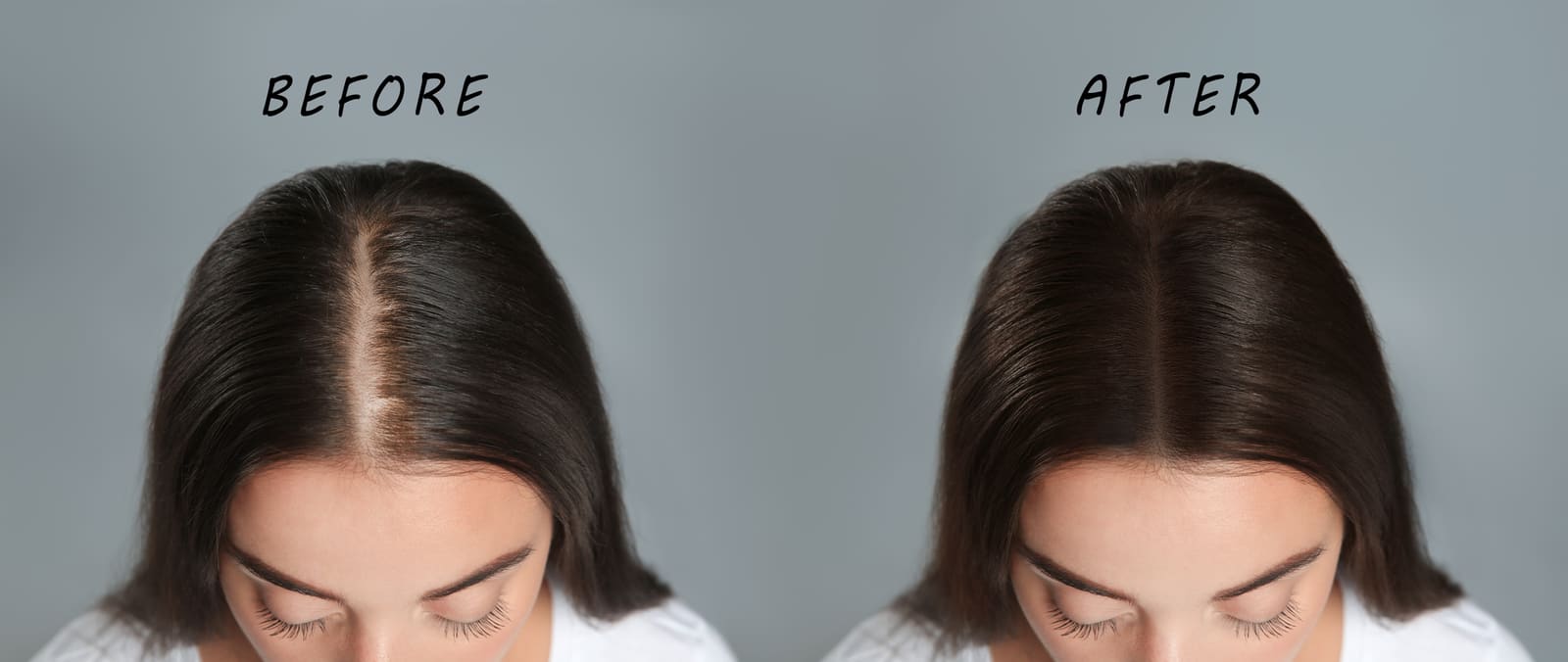
Alopecia can cause hair loss on your scalp, face, and other body parts. It is a type of autoimmune disease and can occur when the body attacks its hair follicles, causing hair loss in different body parts.
You can have alopecia of the following types:
Alopecia Areata
The condition can cause baldness in patches, usually on the scalp but also in the eyebrows, eyelashes, and anywhere in the body. Alopecia areata can be of the following types:
- Persistent alopecia: It happens when the bald patches do not improve or worsen and stay the same.
- Alopecia totalis: When hair loss occurs in the entire scalp.
- Alopecia universal: The condition involves complete hair loss in the scalp as well as other parts of the body.
- Diffuse alopecia areata: This involves sudden thinning of hair all over the scalp instead of falling in patches. It can occur due to stress, hormonal problems, and medicinal side effects.
- Ophiasis alopecia areata: This causes hair loss in the sides and lower back of the scalp in the form of a band.
Treatment options for alopecia areata
Alopecia areata is an autoimmune disease; sometimes, the hair grows back in time. In other situations, your dermatologist can prescribe:
- Steroid shots are given in the doctor's office
- Medicines to put on your bald patches for hair regrowth
- JAK inhibitor as a pill to be taken daily
- Topical immunotherapy treatments
Androgenic Alopecia
The condition causes hair loss following a unique pattern for men and women.
- Male pattern: In men, hair loss occurs on the crown as a receding hairline. The sides and lower back of the scalp get affected later or remain unaffected.
- Female pattern: It is different as the hair thinning starts along the parting line, eventually widening with time. It rarely causes complete baldness.
Treatment options for androgenic alopecia
- Low-level laser therapy to stimulate hair follicles, promoting hair growth
- Medications, like minoxidil,finasteride and dutasteride
Traction Alopecia
Hair loss can happen if you regularly put stress on your hair by wearing your hair in tight braids, ponytails, and buns. With time, the continuous pulling of hair can damage the hair follicles causing permanent hair loss.
Treatment options for traction alopecia
Hair transplantation works well in this condition. You can prevent this condition by rotating and switching to less damaging hairstyles.
Cicatricial Alopecia
Hair loss occurs due to inflammation of the scalp that destroys hair follicles. It can have other symptoms like itching, pain, and a hot sensation on the scalp and is predominant in women wearing tight hairstyles.
Treatment options for traction alopecia
Hair transplant and topical and oral medications can help regrow hair in such cases.
As you can see, there are treatment options regardless of the type of alopecia you have. Some people have opted for natural methods, such as vitamins, supplements, aromatherapy, essential oils, probiotics, and acupuncture, though there isn’t a lot of evidence supporting these. If you’ve tried a natural method for alopecia and have had success, please share it with here with other Healthread readers.
General information, not medical advice
This article can't account for your health history or current treatment. Talk to a qualified clinician before you change anything about your care.
Read our medical disclaimer →
On this page
Alopecia Areata
Treatment options for alopecia areata
Androgenic Alopecia
Treatment options for androgenic alopecia
Traction Alopecia
Treatment options for traction alopecia
Cicatricial Alopecia
Treatment options for traction alopecia
Put what you read to work
Track your medicines, check a symptom and talk with people managing the same condition, all in Healthread.
Get the app
Keep reading

Beauty and Anti-Aging
Gastric Balloon for Weight Loss
The gastric balloon weight loss procedure is a new FDA-approved minimally invasive bariatric procedure for treating obesity. It is a temporary procedure that involves placing a saline-filled silicone balloon in the…
June 19, 2025 · 3 min read
Beauty and Anti-Aging
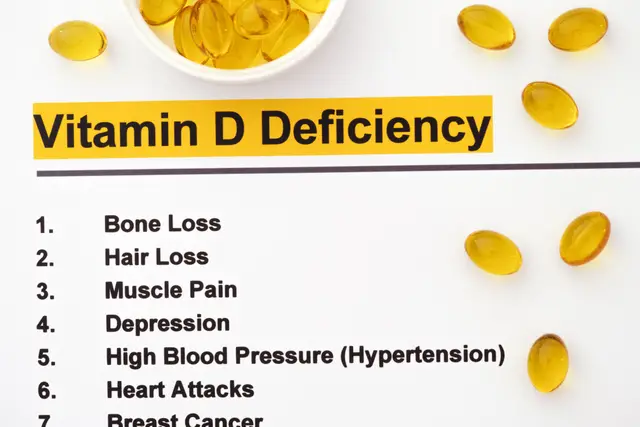
Vitamin D Deficiency
Also known as the sunshine vitamin, vitamin D is an essential nutrient that is naturally absorbed by the skin through exposure to sunlight. It can also be obtained from dietary sources and supplements.
December 30, 2024 · 3 min read
Beauty and Anti-Aging
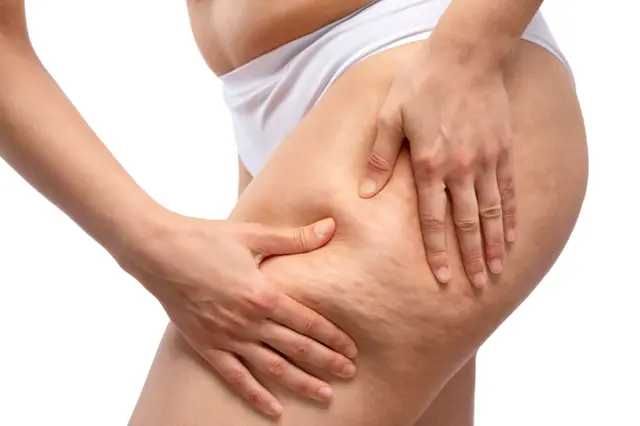
Cellulite
Cellulite appears with an orange peel or cottage cheese-like texture with a dimpled or lumpy skin surface. Mild cellulite is visible when you pinch the area with cellulite, like the thighs. Severe cellulite can make the…
August 13, 2024 · 3 min read


© 2026 Healthread
English · Español
Healthread does not provide medical advice, diagnosis or treatment. Always speak to a qualified clinician about your care.