

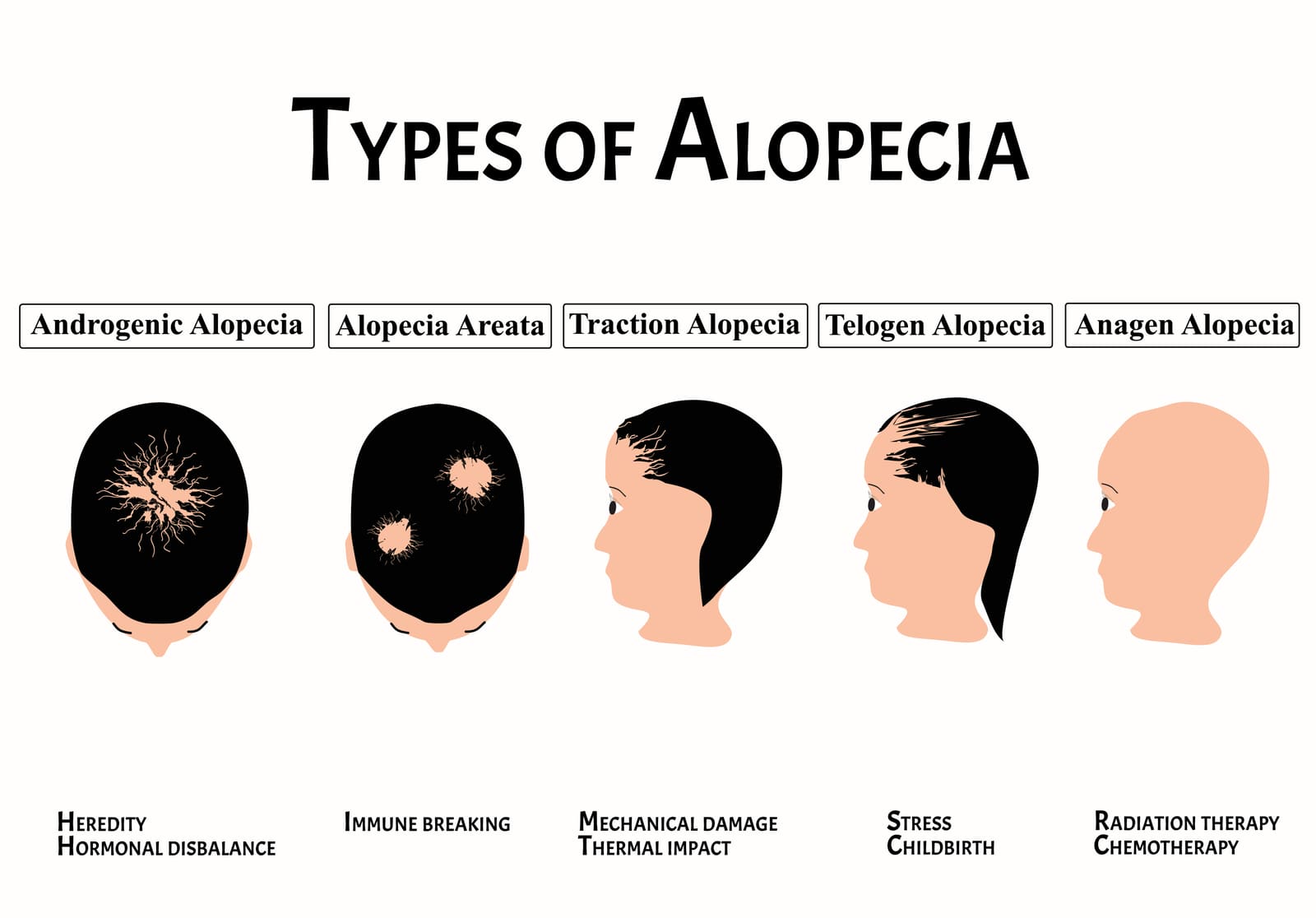
Alopecia is an autoimmune disease where the person’s white blood cells attack their hair follicles, causing hair loss. Alopecia can happen to anyone irrespective of age or gender. It can happen in patches or can cause complete hair loss.
Though hair loss typically happens on the scalp, alopecia can cause hair loss in eyebrows, eyelashes, and facial and body hair.
Although no one solution can treat all alopecia, some treatments can benefit certain alopecia types.
As alopecia is an autoimmune disease, it can be treated using immunosuppressant drugs. Other treatments provide medications to reverse hair loss or slow it down. Some other treatments include methods to promote new hair growth.
Patchy alopecia
If the disease causes a few patches of baldness, your dermatologist can prescribe medicines as follows:
- Corticosteroid injections: The dermatologists can inject the medication directly into the bald patches to stimulate hair regrowth.
- Minoxidil(Rogaine): Minoxidil is an over-the-counter medication found in the form of shampoo and liquid foam. When applied to the scalp, the medicine slows hair loss while stimulating hair growth in alopecia patients.
- Finasteride(Propecia): It is a prescription drug for men and is available as a pill. The medicine can slow down hair loss and promote hair regrowth if taken for a long time.
Rapid or total alopecia
Where alopecia causes rapid hair loss in a large area, total hair loss on the scalp, or complete hair loss, your dermatologist can recommend:
- Contact Immunotherapy: The treatment tries to change your immune system to stop attacking your hair follicles.
- Methotrexate: The medicine is often prescribed with a corticosteroid to regrow hair in bald areas.
- JAK Inhibitors: These are medicines that, when prescribed, blocks the activity of one or more family of enzymes reducing inflammation that can cause hair loss.
The U.S Food and Drug Administration has recently approved the medicine, Olumiant oral tablets, a JAK inhibitor that is used to treat severe alopecia in adults. It is the first systemic medicine to treat the entire body of people suffering from alopecia.
Patients experiencing total alopecia can also seek out:
- Hair transplant surgery: The surgery can use the hair present on the scalp to cover areas of baldness due to alopecia.
- Laser therapy: FDA-approved low-level laser device can be used to treat hereditary hair loss in adults.
- Wigs or scalp prosthesis: Alopecia patients can suffer mental health issues after hair loss. They can wear wigs or scalp prosthesis that cover up the bald patches and helps restore confidence.
Lastly, there are natural treatment options that some alopecia choose to try. These include aromatherapy, essential oils, garlic extract, onion juice, and acupuncture.
Feel free to share your alopecia treatment experiences with other Healthread members.
General information, not medical advice
This article can't account for your health history or current treatment. Talk to a qualified clinician before you change anything about your care.
Read our medical disclaimer →
Put what you read to work
Track your medicines, check a symptom and talk with people managing the same condition, all in Healthread.
Get the app
Keep reading

Beauty and Anti-Aging
Gastric Balloon for Weight Loss
The gastric balloon weight loss procedure is a new FDA-approved minimally invasive bariatric procedure for treating obesity. It is a temporary procedure that involves placing a saline-filled silicone balloon in the…
June 19, 2025 · 3 min read
Beauty and Anti-Aging
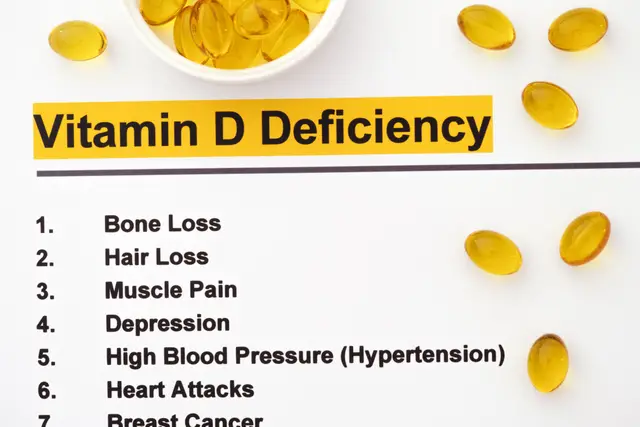
Vitamin D Deficiency
Also known as the sunshine vitamin, vitamin D is an essential nutrient that is naturally absorbed by the skin through exposure to sunlight. It can also be obtained from dietary sources and supplements.
December 30, 2024 · 3 min read
Beauty and Anti-Aging
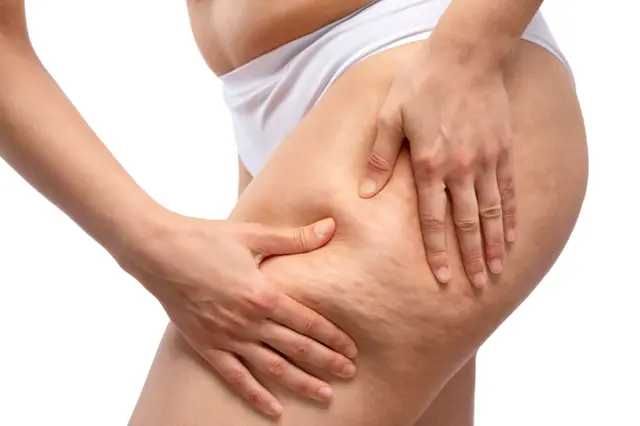
Cellulite
Cellulite appears with an orange peel or cottage cheese-like texture with a dimpled or lumpy skin surface. Mild cellulite is visible when you pinch the area with cellulite, like the thighs. Severe cellulite can make the…
August 13, 2024 · 3 min read


© 2026 Healthread
English · Español
Healthread does not provide medical advice, diagnosis or treatment. Always speak to a qualified clinician about your care.