

Understanding Blood Pressure: Readings, Terminology, and Ways to Control Your BP
March 9, 2023
4 min read
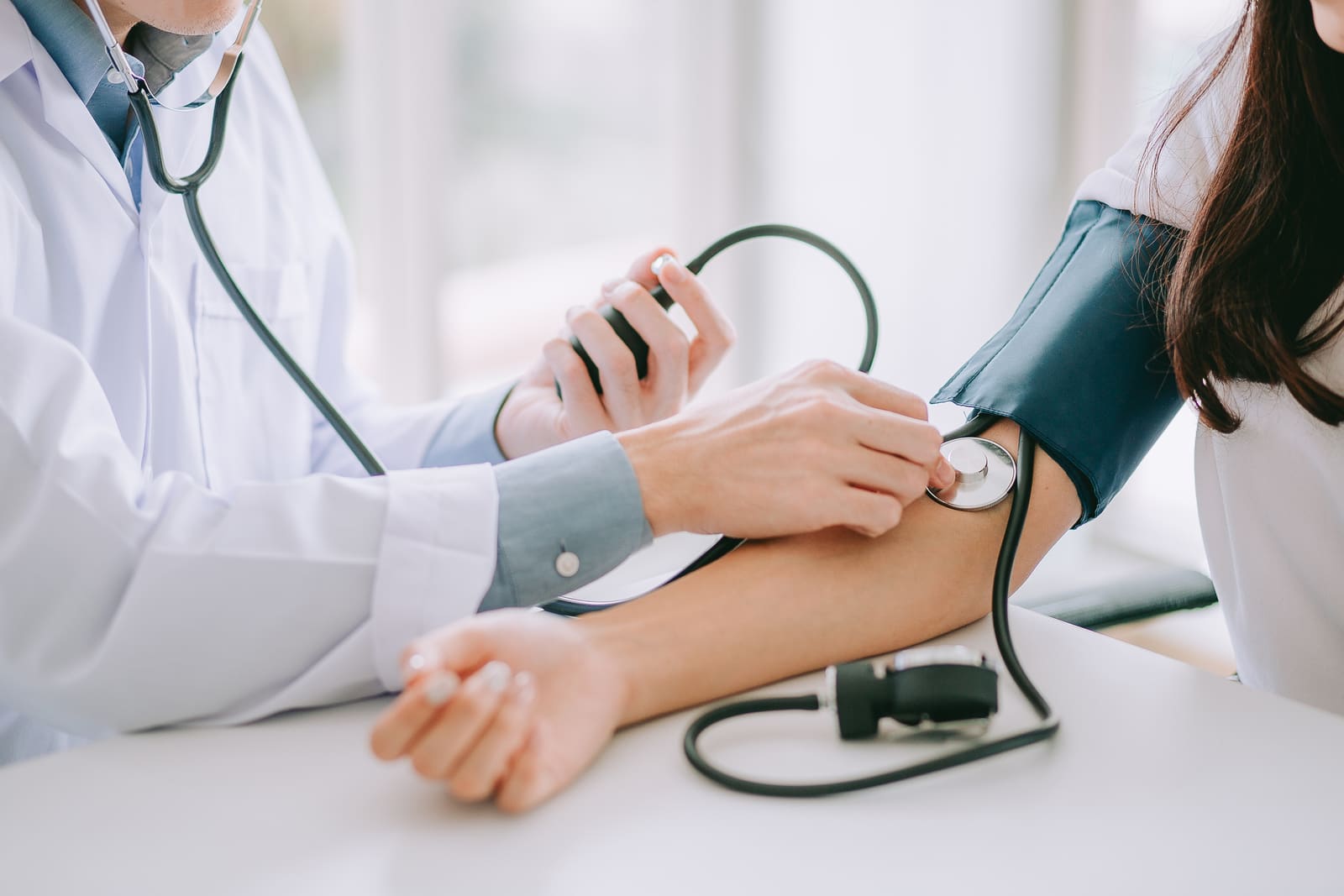
Have you ever noticed that, when you visit a doctor, one of the first things they do is check your blood pressure? This is because blood pressure is a “vital sign” that provides your healthcare team with important information about your heart, circulatory system, and overall health.
What is Blood Pressure?
Your heart is a powerful muscle that pumps blood. Inside your heart are four chambers that fill with blood. When your heart muscle contracts, it pushes blood further through your blood vessels.
Every time your heart muscle contracts, it pushes blood a little further through your blood vessels. The blood exerts pressure against the inside walls of your blood vessels. When your heart is at rest in between contractions, the pressure is slightly less.
High blood pressure, also known as hypertension, occurs when blood exerts excessive pressure on the inside of blood vessel walls. Hypertension can lead to stroke, heart attack, kidney damage and other serious health concerns.
Blood Pressure Readings
Medical professionals discuss blood pressure readings in terms of millimeters of mercury (mmHg). The term is a throwback to the days when BP measuring devices used mercury; today’s blood pressure monitors do not use mercury.
Blood pressure readings include two numbers. The top number, or systolic, reflects the amount of pressure inside the blood vessels when the heart muscle contracts. The bottom number, or diastolic, reflects how much pressure is inside your blood vessels when your heart is relaxed.
According to the American Heart Association, a healthy BP is below 120/80 mmHg. The professional group considers a blood pressure of 120 – 129 systolic and a diastolic less than 80 mmHg to be elevated, and BP greater than 140 systolic or diastolic greater than 80 to be high blood pressure.
A BP reading of 180 mmHg systolic or higher and/or a diastolic pressure higher than 120 mmHg is a hypertensive crisis that requires immediate medical attention.
Why high blood pressure is bad
High blood pressure can damage your blood vessels and internal organs. Excess pressure can make your arteries less elastic, for example, and this can decrease the amount of oxygen-rich blood reaching your heart and other vital organs. Decreased blood flow to your heart can cause chest pain and heart disease, Uncontrolled hypertension can lead to heart attack, stroke, bulges in blood vessels known as aneurysms, heart failure, kidney problems, eye problems, changes in memory, and even dementia.
How Blood Pressure Cuffs Work
The nurse, nursing assistant, or medical assistant wraps the blood pressure cuff around the upper part of your arm. Next, they place a stethoscope on the inside of your elbow, on the skin just over an artery. They inflate the cuff and slowly let the air out as they listen to your heartbeat through the stethoscope. As the cuff deflates, the person taking your BP will hear silence then tapping sounds (the heart beating) and then silence again.
While they listen, they watch a small dial affixed to the blood pressure cuff. The dial is marked with numbers that range from 20 to 300 mmHg. They note the number at which they can first hear the heart beating – this is the top number (systolic). Next, they note the number at which they can no longer hear the heart beating – this is the lower number (diastolic).
Many hospitals and doctor offices now use automated blood pressure monitors that work in much the same way as manual blood pressure cuffs. The cuff inflates automatically and sensors pick up the sound of the heart beating. Hospital Cardiac Care Units (CCUs) and Intensive Care Units (ICUs) use blood pressure cuffs that take readings at timed intervals, such as every 15 minutes. Blood pressure monitors are also available to consumers for home use.
10 Ways to Control Your Blood Pressure
Controlling your blood pressure can help you reduce your risk for heart problems and other serious diseases. Fortunately, you can take small measures to create big improvements in your blood pressure.
- 1.
- 2.Get moving – regular exercise can lower blood pressure by 5 to 8 mmHg
- 3.Eat a nutritious diet – consuming a diet rich in fruits, vegetables, whole grains, and low-fat dairy products, and low in cholesterol and saturated fat can lower your high blood pressure by as much as to 11 mmHg
- 4.Reduce your salt intake – lowing your sodium intake can decrease blood pressure readings by 5 to 6 mmHg
- 5.Limit alcohol – aim for less than a drink a day to lower blood pressure by 4 mmHg
- 6.Quit smoking
- 7.Get enough sleep – at least 6 hours per night
- 8.Reduce stress
- 9.Monitor your blood pressure at home
- 10.See your doctor and take all blood pressure medications as prescribed
For more information on blood pressure and ways to control your BP, consult with your physician. Controlling your blood pressure is a great way to stay healthy.
General information, not medical advice
This article can't account for your health history or current treatment. Talk to a qualified clinician before you change anything about your care.
Read our medical disclaimer →
On this page
What is Blood Pressure?
Blood Pressure Readings
Why high blood pressure is bad
How Blood Pressure Cuffs Work
10 Ways to Control Your Blood Pressure
Put what you read to work
Track your medicines, check a symptom and talk with people managing the same condition, all in Healthread.
Get the app
Keep reading
Beauty and Anti-Aging
Gastric Balloon for Weight Loss
The gastric balloon weight loss procedure is a new FDA-approved minimally invasive bariatric procedure for treating obesity. It is a temporary procedure that involves placing a saline-filled silicone balloon in the…
June 19, 2025 · 3 min read
Beauty and Anti-Aging
Vitamin D Deficiency
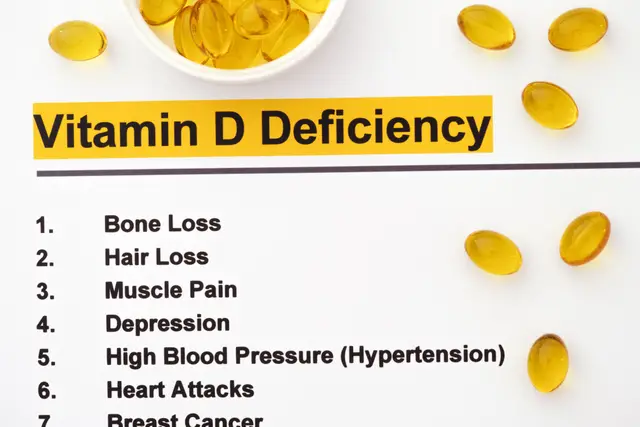
Also known as the sunshine vitamin, vitamin D is an essential nutrient that is naturally absorbed by the skin through exposure to sunlight. It can also be obtained from dietary sources and supplements.
December 30, 2024 · 3 min read
Beauty and Anti-Aging
Cellulite
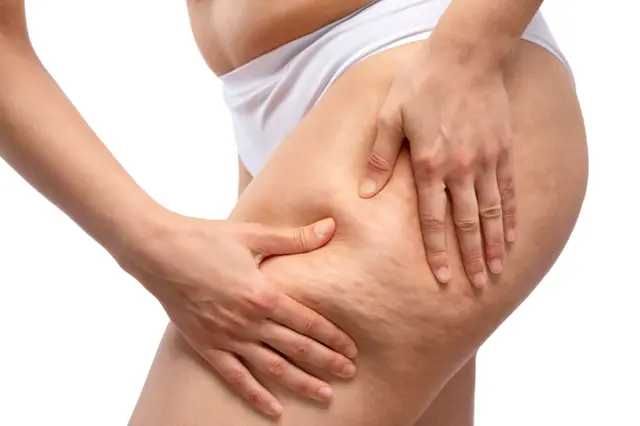
Cellulite appears with an orange peel or cottage cheese-like texture with a dimpled or lumpy skin surface. Mild cellulite is visible when you pinch the area with cellulite, like the thighs. Severe cellulite can make the…
August 13, 2024 · 3 min read


© 2026 Healthread
English · Español
Healthread does not provide medical advice, diagnosis or treatment. Always speak to a qualified clinician about your care.