

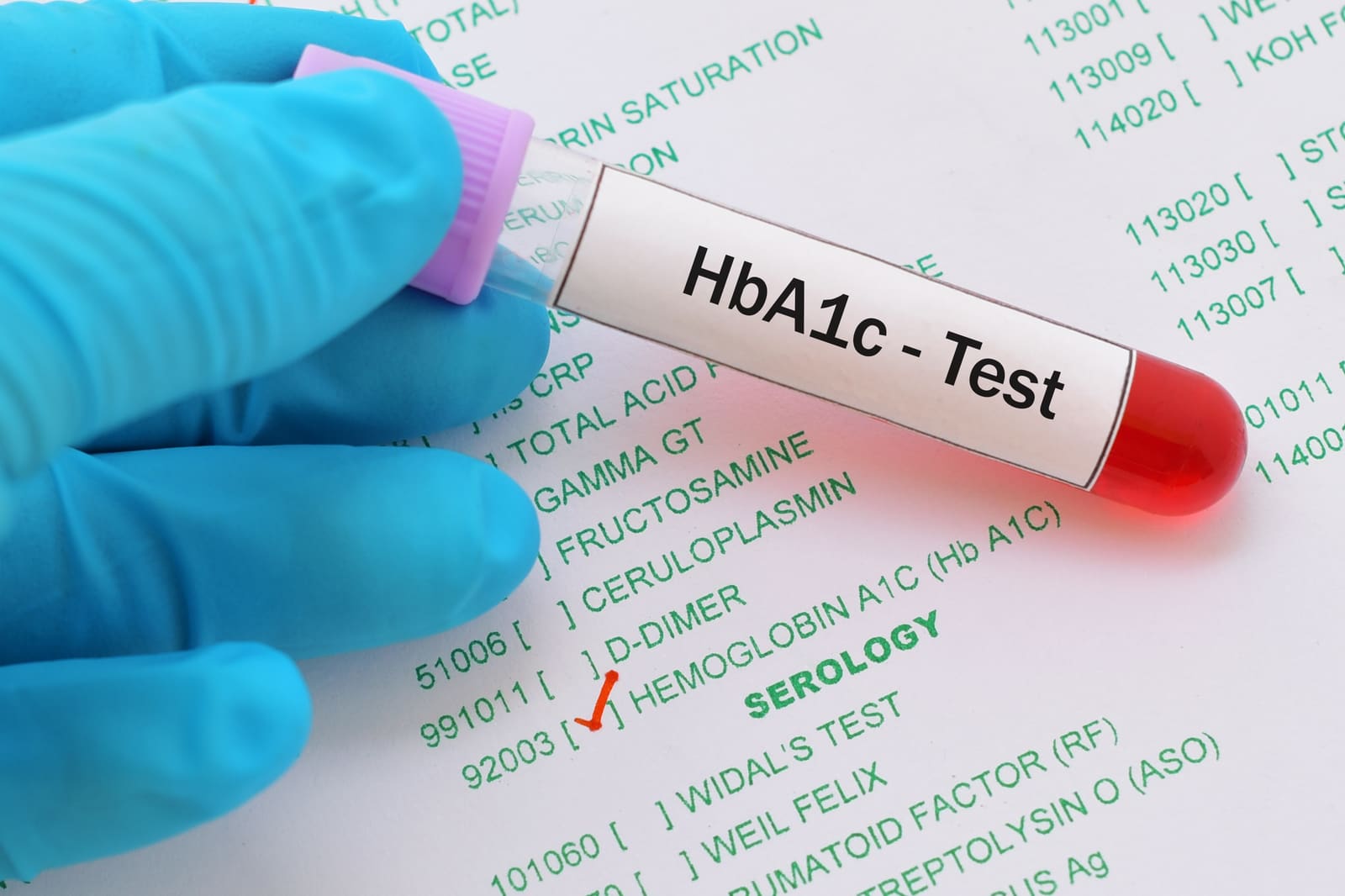
The A1C test is commonly used to diagnose prediabetes and type 1 and type 2 diabetes in people.
It is a blood test that measures your blood glucose level for the past three months. It can help monitor diabetes and plays a critical role in managing the disease in the long run.
What is an A1C test?
An A1C test measures your blood sugar level as a percentage for two to three months. A higher A1C percentage can increase the risk of prediabetes or diabetes in people.
Providers use the A1C test to:
- Diagnose prediabetes.
- Detect Type 2 diabetes.
- Determine whether your treatment plan is working to control and manage diabetes.
How is the AC1 test done?
How often the test is done depends on the diabetes type, treatment plan, and how well the treatment strategy works to manage your diabetes.
Typically, your medical provider may recommend an A1C test:
- Once a year if you have prediabetes
- Twice a year, if you don’t use insulin and your glucose level is within an acceptable range
- Four times a year when you have difficulty maintaining insulin levels and keeping the blood sugar level within acceptable limits
When your doctor changes your diabetes treatment and management plan, they may require a more frequent test to monitor the change
An A1C test can be done in two ways.
- The common form of test is where a phlebotomist takes blood from your veins and sends it to the lab for testing.
- Your provider will take a blood sample from a finger prick and get the results instantly. This test is used for management and not the diagnosis of the disease.
The vein test is usually more accurate than the finger prick test to detect prediabetes and diabetes in people.
The A1C test is also known as:
- HbA1C
- Hemoglobin A1C
- Glycohemoglobin test
- Glycated hemoglobin
When is the A1C test needed?
The A1C test can be done to detect prediabetes or diabetes if:
You are over 45 years of age:
- Where your results are normal, you need to repeat the test after every three years.
- Where your results show prediabetes, you must take the test every two to three years. Ask your doctor how you can reduce your risk of getting diabetes.
- Where your results show diabetes, you must take the test twice yearly to monitor and manage the disease.
You are below 45 years of age and have an increased risk of getting diabetes as you have the following:
- Prediabetes
- Obesity or being overweight
- Parents or siblings with type 2 diabetes
- High blood pressure or cholesterol levels
- A sedentary lifestyle with physical activity less than thrice a week
- Heart disease or had a stroke
- Gestational diabetes or gave birth to a baby over 9 pounds
- Polycystic ovarian symptom(PCOS)
American Indians, Latinos or Hispanics, African Americans, Asian Americans, some Pacific Islanders, and Alaska Natives people are at an increased risk of developing diabetes.
You may take an A1C test if you have symptoms of diabetes like:
- Fatigue
- Dry skin
- Feeling very thirsty
- Urinating a lot
- Blurred vision
- Tingling or numbness in hands and feet
- Losing weight without trying
- Slow healing of sores
- Having more infections than normal
How is A1C calculated?
The A1C test depends on hemoglobin, a part of the red blood cell that carries oxygen in your body. When you have a high amount of glucose in your body, it sticks to the hemoglobin, the process called glycation.
Blood glucose can stay attached to the hemoglobin for three months till the average life of the RBC.A1C test measures the glucose attached to hemoglobin over time.
The A1C is calculated in percentages as provided below.
- Normal: A1C is below 5.7%
- Prediabetes: A1C is between 5.7% and 6.5%
- Diabetes: A1C is 6.5% and higher
With a higher test result, you may require another A1C test, a fasting glucose test, or an oral glucose tolerant test.
Visit the American Diabetes Foundation for more information. Also, Healthread is a platform to gain insights and inspiration from other people going through similar health experiences, like diabetes. Whether you want to offer support, be supported, or join a diabetes group, Healthread is a community platform to help you to do all that and more.
Source links:
- 1cdc.gov/diabetes/managing/managing-blood-sugar/a1c.html#:~:text=The%20A1C%20test%E2%80%94also%20known,care%20team%20manage%20your%20diabetes
- 2diabetes.org/diabetes/a1c
- 3mayoclinic.org/tests-procedures/a1c-test/about/pac-20384643
- 4my.clevelandclinic.org/health/diagnostics/9731-a1c
- 5niddk.nih.gov/health-information/diagnostic-tests/a1c-test
- 6medlineplus.gov/lab-tests/hemoglobin-a1c-hba1c-test/
General information, not medical advice
This article can't account for your health history or current treatment. Talk to a qualified clinician before you change anything about your care.
Read our medical disclaimer →
On this page
What is an A1C test?
How is the AC1 test done?
When is the A1C test needed?
How is A1C calculated?
Put what you read to work
Track your medicines, check a symptom and talk with people managing the same condition, all in Healthread.
Get the app
Keep reading

Beauty and Anti-Aging
Gastric Balloon for Weight Loss
The gastric balloon weight loss procedure is a new FDA-approved minimally invasive bariatric procedure for treating obesity. It is a temporary procedure that involves placing a saline-filled silicone balloon in the…
June 19, 2025 · 3 min read
Beauty and Anti-Aging
Vitamin D Deficiency
Also known as the sunshine vitamin, vitamin D is an essential nutrient that is naturally absorbed by the skin through exposure to sunlight. It can also be obtained from dietary sources and supplements.
December 30, 2024 · 3 min read

Beauty and Anti-Aging
Cellulite
Cellulite appears with an orange peel or cottage cheese-like texture with a dimpled or lumpy skin surface. Mild cellulite is visible when you pinch the area with cellulite, like the thighs. Severe cellulite can make the…
August 13, 2024 · 3 min read


© 2026 Healthread
English · Español
Healthread does not provide medical advice, diagnosis or treatment. Always speak to a qualified clinician about your care.