

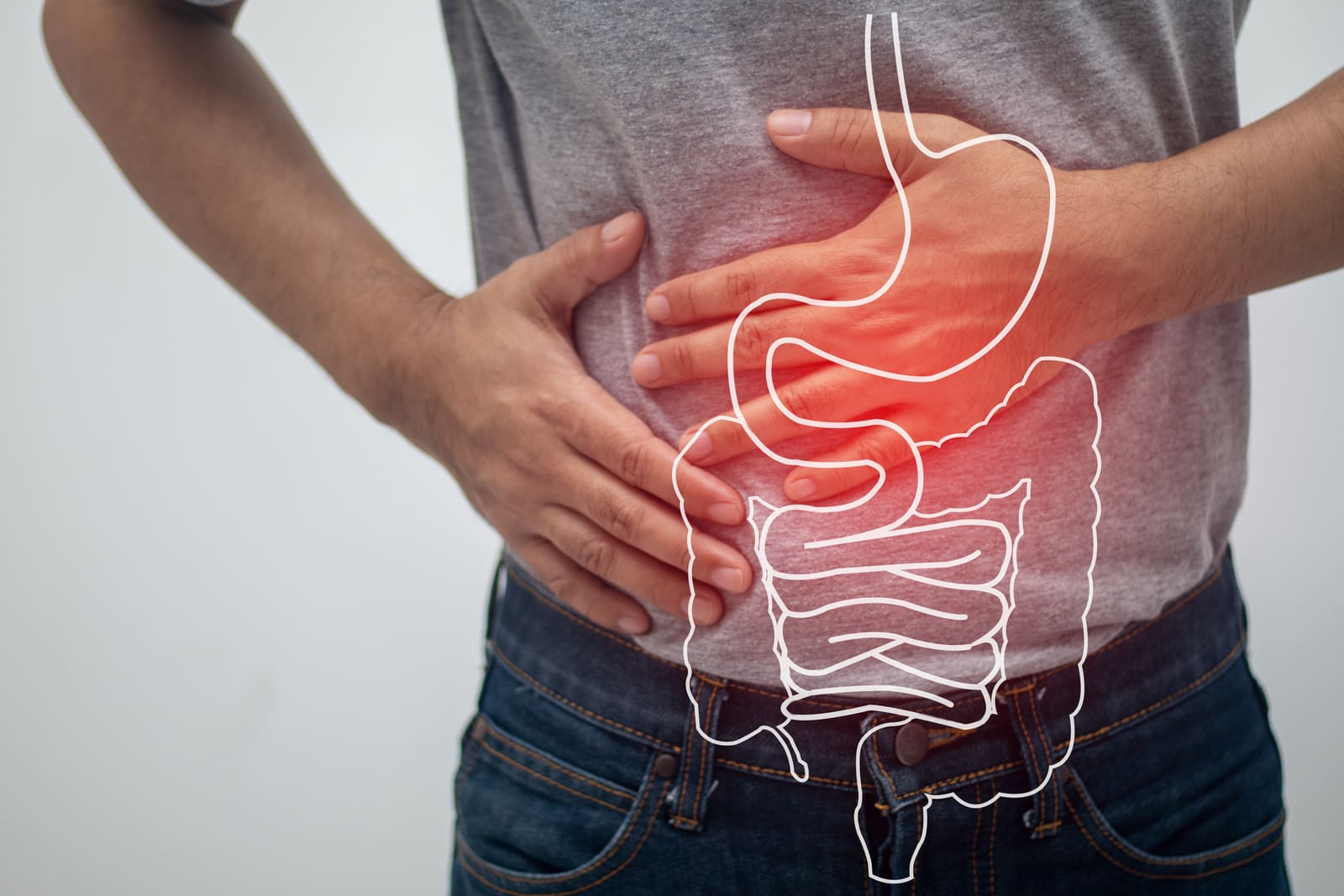
If you have gallstones, you may be concerned about having a gallbladder attack. Gallbladder attacks can be very sudden and painful, so it’s important to know the signs that show you’re experiencing one.
Although a gallbladder attack can’t usually be stopped once it’s begun, getting medical attention is important nonetheless. Below, we’ll discuss the signs of a gallbladder attack, plus what causes a gallbladder attack, and treatment options.
The Function of the Gallbladder
The gallbladder stores bile, which is a fluid that is used for digestion. Your liver produces the bile that is kept in the gallbladder. When you eat, the bile is released from the gallbladder.
Bile aids in the breakdown of fats during digestion. Bile is compromised of a few components, including cholesterol, water, and bile salts. These substances, like cholesterol, can combine together into what is known as gallstones.
Gallstones can range from the size of a small grain of sand up to a much larger golf ball. As many as 15% of people have them, but most people never experience problems.
What Causes a Gallbladder Attack?
A gallbladder attack is caused by gallstones blocking the duct to the stomach and preventing the discharge of bile. This results in spasming of the gallbladder and what is known as a gallbladder attack.
Symptoms of a Gallbladder Attack
A gallbladder attack causes sharp pain in the center or upper right side of the abdomen. Some people describe the pain as being cut by a knife. The pain can be so severe that it knocks the breath out of you and some people may confuse it with a heart attack.
Common symptoms of a gallbladder attack:
- Severe pain in the center or upper right side of the abdomen that can last for several hours
- Nausea or vomiting
- Pain in the abdomen after eating
- Chills
- Fever
- Brownish or dark urine
- Light-colored feces
- Yellowing of sclera or skin
If you’re experiencing any of these symptoms and believe you may be having a gallbladder attack, seek medical attention immediately.
Gallbladder attacks can be diagnosed with blood tests, ultrasound, and other imaging techniques.
How Long Does an Attack Last?
Gallbladder attacks can persist for several hours until the gallstone is passed. The pain of the attack alone leads people to the ER. Whenever someone is experiencing intense pain, it is a good idea to seek medical attention. However, nothing can be done to stop a gallbladder attack once it starts.
That being said, doctors can prescribe medication and address any complications. Therefore, seeking medical assistance is vital.
Preventing Gallbladder Attacks
Gallstones have a higher chance of forming when there’s an excessive amount of cholesterol in the bile. Therefore, by reducing the amount of fatty foods in your diet, you’ll reduce your chances of developing gallstones and having a gallbladder attack.
Treatment for Gallbladder Attacks and Gallstones
Once a gallbladder attack begins, there is usually no way to reduce it. During a gallbladder attack, the only form of treatment is pain management. However, other treatments that are necessary to address any complications are essential. For example, antibiotics may be necessary if your gallbladder or neighboring organs are infected.
For anyone with recurring gallbladder attacks, removal of the gallbladder is a treatment option. Removing gallstones themselves isn’t typically done because they will just continue to reform in many cases.
If someone continues to have gallbladder attacks, it’s because gallstones are chronically obstructing the gallbladder. This is a result of a gallbladder that is not functioning properly. Rather than aiding in healthy digestion, it is just causing problems.
Gallbladder Removal Surgery
Gallbladder removal surgery, also called cholecystectomy, is a good option for anyone experiencing recurring gallbladder attacks. This procedure is often done laparoscopically, which allows for only small incisions to be made. A tiny camera is guided through the small incisions and allows the surgeon to remove the gallbladder. This procedure usually has a quick recovery period and less need for pain medication due to the small incisions.
Do You Need Your Gallbladder to Digest Food?
You may be wondering whether you can properly digest food after getting your gallbladder removed. After all, your gallbladder does play a role in digestion.
Luckily, you can digest food just fine without your gallbladder. Rather than storing bile in the gallbladder, the liver delivers bile straight to the intestines. Some people experience diarrhea during the recovery period, but it generally subsides after a month.
Some people find they need to avoid greasy, fatty, processed, spicy, and sugary foods and beverages after gallbladder remover. Many people, though, can consume the same foods and beverages they did before their gallbladder was removed. The body learns to adjust without the gallbladder and patients that undergo cholecystectomy can live a life free of gallbladder attacks.
Sources
- 1niddk.nih.gov/health-information/digestive-diseases/gallstones/definition-facts#:~:text=Gallstones%20are%20very%20common%2C%20affecting,be%20treated%2C%20usually%20with%20surgery
- 2hopkinsmedicine.org/health/conditions-and-diseases/what-causes-a-gallbladder-attack
- 3hopkinsmedicine.org/health/conditions-and-diseases/gallbladder-disease
- 4hopkinsmedicine.org/health/conditions-and-diseases/gallstone-disease-treatment
- 5mayoclinic.org/diseases-conditions/gallstones/symptoms-causes/syc-20354214
- 6my.clevelandclinic.org/health/symptoms/23355-gallbladder-pain
- 7healthcare.utah.edu/general-surgery/gallbladder
- 8medlineplus.gov/druginfo/meds/a699047.html
- 9niddk.nih.gov/health-information/digestive-diseases/gallstones/treatment
- 10healthline.com/health/gallbladder-pain-relief#diet
General information, not medical advice
This article can't account for your health history or current treatment. Talk to a qualified clinician before you change anything about your care.
Read our medical disclaimer →
On this page
The Function of the Gallbladder
What Causes a Gallbladder Attack?
Symptoms of a Gallbladder Attack
How Long Does an Attack Last?
Preventing Gallbladder Attacks
Treatment for Gallbladder Attacks and Gallstones
Gallbladder Removal Surgery
Do You Need Your Gallbladder to Digest Food?
Sources
Put what you read to work
Track your medicines, check a symptom and talk with people managing the same condition, all in Healthread.
Get the app
Keep reading
Beauty and Anti-Aging
Gastric Balloon for Weight Loss
The gastric balloon weight loss procedure is a new FDA-approved minimally invasive bariatric procedure for treating obesity. It is a temporary procedure that involves placing a saline-filled silicone balloon in the…
June 19, 2025 · 3 min read
Beauty and Anti-Aging
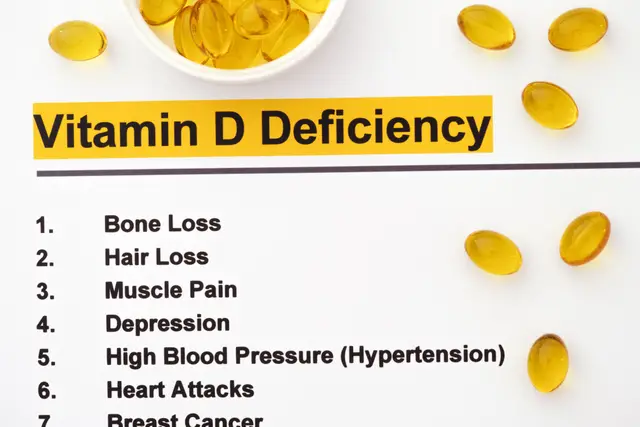
Vitamin D Deficiency
Also known as the sunshine vitamin, vitamin D is an essential nutrient that is naturally absorbed by the skin through exposure to sunlight. It can also be obtained from dietary sources and supplements.
December 30, 2024 · 3 min read
Beauty and Anti-Aging
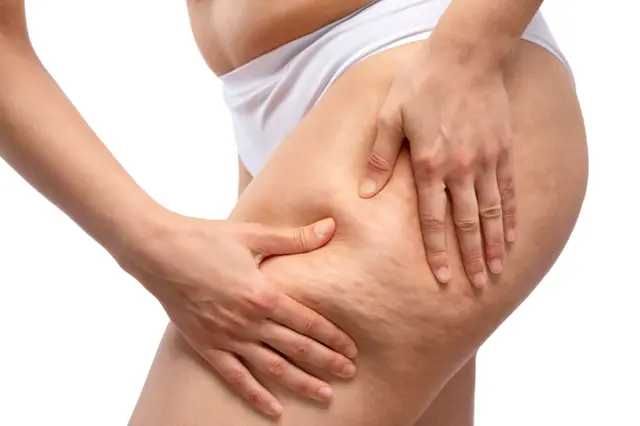
Cellulite
Cellulite appears with an orange peel or cottage cheese-like texture with a dimpled or lumpy skin surface. Mild cellulite is visible when you pinch the area with cellulite, like the thighs. Severe cellulite can make the…
August 13, 2024 · 3 min read


© 2026 Healthread
English · Español
Healthread does not provide medical advice, diagnosis or treatment. Always speak to a qualified clinician about your care.