

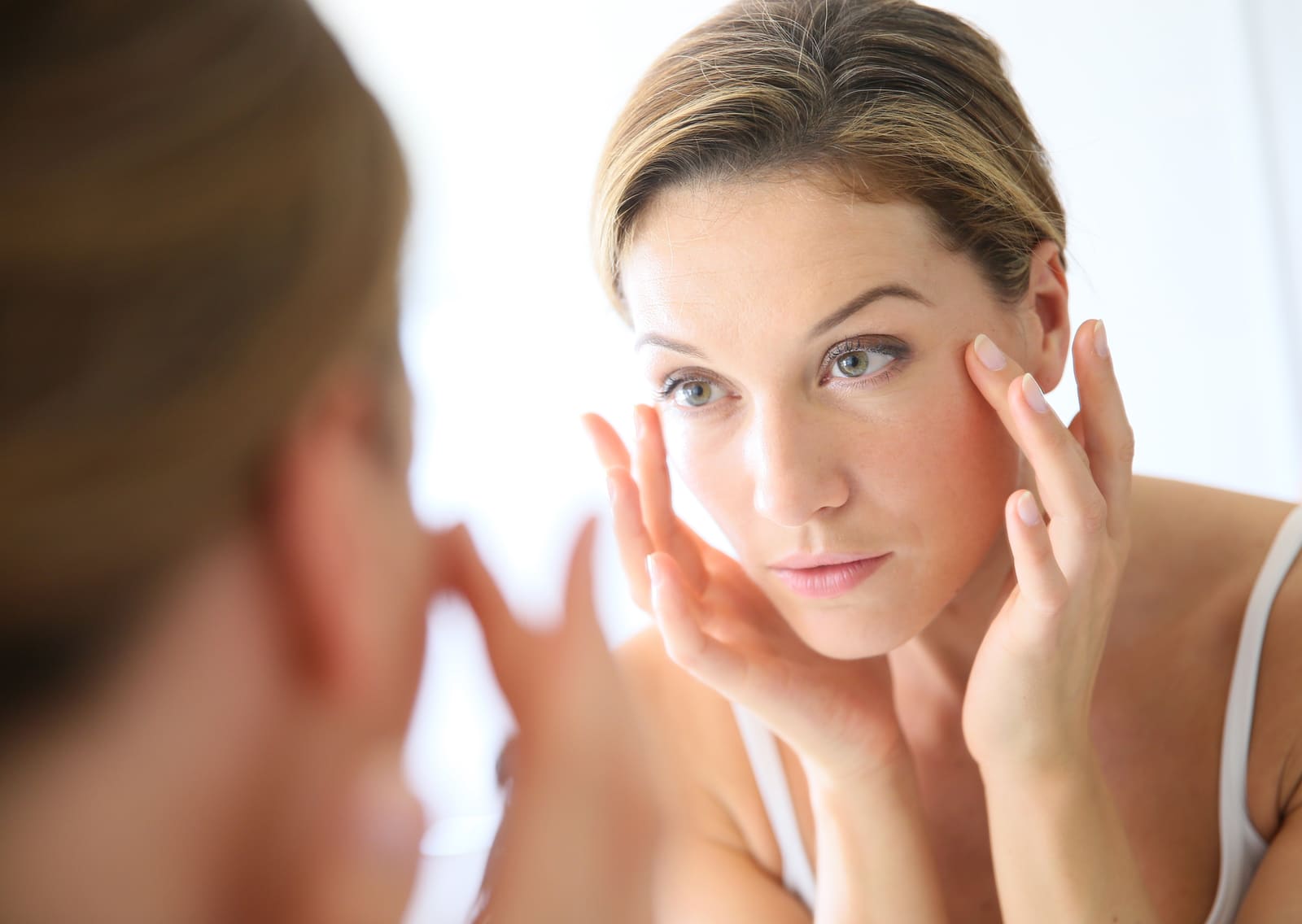
Aging is a natural part of life that cannot be avoided. With time, the skin naturally loses collagen and elasticity, resulting in the appearance of fine lines, wrinkles, dark spots, and other unwanted symptoms that can decrease a person’s self-esteem. There are many new and innovative treatment options, both surgical and non-invasive, designed to even your complexion, enhance your overall appearance, and reduce wrinkles and lines. Plasma skin resurfacing is one of them.
What is plasma skin resurfacing?
Plasma skin rejuvenation or resurfacing is a non-invasive treatment option that is highly effective in reversing the appearance of aging. This treatment is designed to tighten, lift, and rejuvenate the skin from the inside out by using fine, adaptable probes, allowing for the best results. Plasma skin resurfacing helps to enhance, brighten, contour, and smooth the skin with immediate, lasting results with a combination of plasma, oxygen, and nitrogen.
How does plasma skin resurfacing work?
This non-invasive, long-lasting treatment option is provided with minimal downtime. Your specialist performs this procedure by using small, adaptable probes that work to deliver plasma to the epidermis layer of the skin. These probes are equipped with fingertip intensity controls, allowing your skin specialist to control the amount of plasma delivered.
Plasma skin resurfacing converts electrical energy into electrostatic energy to treat moderate to deep wrinkles, fine lines, sagging skin, sun spots, uneven skin tone, rough patches, and more.
Benefits of plasma skin rejuvenation
Individuals who have plasma skin resurfacing stand to see these types of benefits:
- Lasting, immediate results, up to 3 years
- Non-invasive
- Lift sagging skin
- Diminishes wrinkles and fine lines
- Repair and reverse damage to facial tissue
- Encourages the natural production of collagen
For the best results, it is recommended to undergo plasma skin rejuvenation during the onset of early aging signs and symptoms. These symptoms may include hyperpigmentation, age spots, loosened skin, early jowling, and creasing or wrinkling around the mouth and nose.
Recovering after plasma skin resurfacing
Plasma skin resurfacing is a minimally invasive treatment offered by medical professionals to reverse and minimize the signs of aging. While there is minimal downtime needed after this procedure, recovery can take several days.
For those who have undergone low-energy plasma skin resurfacing, it is expected for the treatment area to have some redness lasting 2-3 days after treatment. The skin is likely to begin flaking as the dead skin peels away to be replaced by new, healthy skin.
Similar to low-energy treatment, high-energy plasma skin resurfacing causes redness to the skin and the shedding of dead skin cells. However, there are a few differences. Following high-energy plasma skin resurfacing, the skin may turn brown and begin peeling up to 10 days after the procedure. You mustn't pick or peel the skin that is flaking away to reduce the risk of scarring.
During the healing process, and in the weeks and months after treatment, the treatment area should be moisturized and frequently protected by sunscreen of at least SPF 50. It is also recommended to utilize protective clothing in the weeks after treatment to enhance healing. Patients will see immediate results, but they will typically continue to progress for up to one year after the procedure.
Have you had plasma skin resurfacing? How was it? Share your experience with your fellow Healthread readers.
General information, not medical advice
This article can't account for your health history or current treatment. Talk to a qualified clinician before you change anything about your care.
Read our medical disclaimer →
On this page
What is plasma skin resurfacing?
How does plasma skin resurfacing work?
Benefits of plasma skin rejuvenation
Recovering after plasma skin resurfacing
Put what you read to work
Track your medicines, check a symptom and talk with people managing the same condition, all in Healthread.
Get the app
Keep reading
Beauty and Anti-Aging
Gastric Balloon for Weight Loss
The gastric balloon weight loss procedure is a new FDA-approved minimally invasive bariatric procedure for treating obesity. It is a temporary procedure that involves placing a saline-filled silicone balloon in the…
June 19, 2025 · 3 min read
Beauty and Anti-Aging
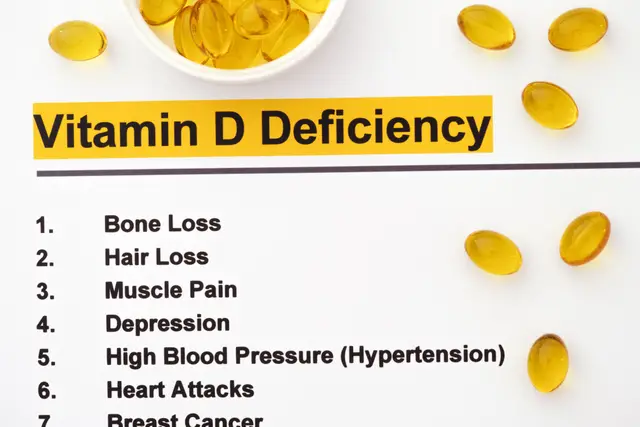
Vitamin D Deficiency
Also known as the sunshine vitamin, vitamin D is an essential nutrient that is naturally absorbed by the skin through exposure to sunlight. It can also be obtained from dietary sources and supplements.
December 30, 2024 · 3 min read
Beauty and Anti-Aging
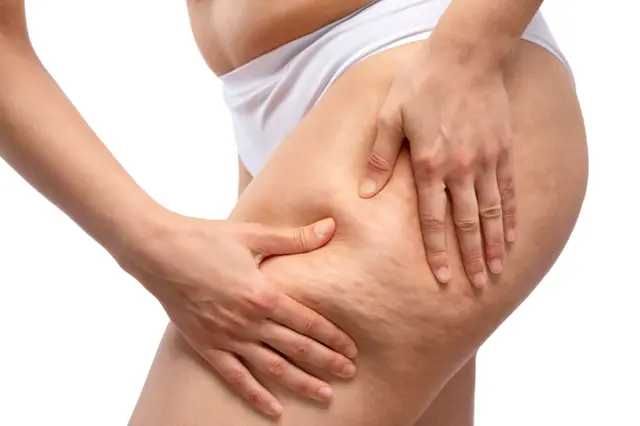
Cellulite
Cellulite appears with an orange peel or cottage cheese-like texture with a dimpled or lumpy skin surface. Mild cellulite is visible when you pinch the area with cellulite, like the thighs. Severe cellulite can make the…
August 13, 2024 · 3 min read


© 2026 Healthread
English · Español
Healthread does not provide medical advice, diagnosis or treatment. Always speak to a qualified clinician about your care.