

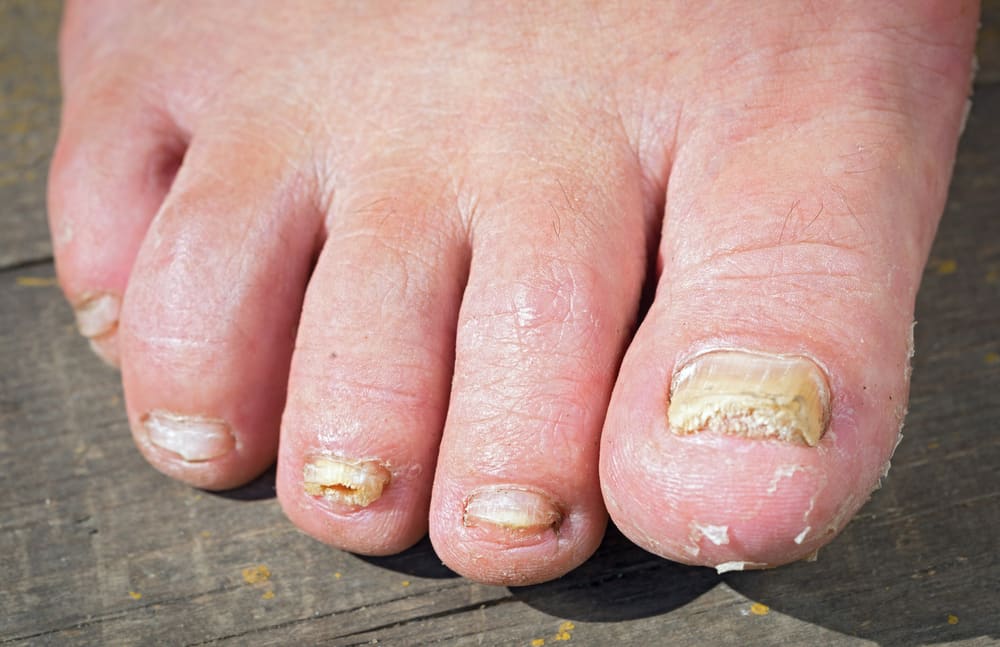
Your fingernails (and toenails) can give you clues on what's going on with your overall health. Your nails are an extremely good reflection of your health. A lot of things could occur in your nails that could indicate skin or systemic issues.
What Your Nails Say About your Health
Healthy nails have a consistent color and they're smooth. Anything else impacting the appearance or growth of your fingernails or toenails might indicate an irregularity. Nail irregularities, in most situations, aren't serious and can be treated easily. However, in other situations, they could indicate you have a medical condition that requires attention.
You'll want to pay close attention to anything around or on either your fingernails or toenails that appear different suddenly. You'll want to address anything that doesn't look normal. Your best bet is to make an appointment with your physician if you notice anything out of the ordinary.
Below are some conditions that could be causing symptoms in your nails. Keep in mind, it's essential you see a doctor for a proper diagnosis.
1. Pale Nails
Extremely pale nails could sometimes indicate a serious illness like:
- Liver disease
- Anemia
- Malnutrition
- Congestive heart failure
2. Psoriasis
This common skin problem is typically marked by red, scaly patches, however, it can also affect your fingernails and toenails. Around 50% of individuals with psoriasis might have nail psoriasis, according to The Psoriasis and Psoriatic Arthritis Alliance.
If you're experiencing yellow-red discoloration on your nails, typically referred to as a "salmon patch" or "oil drop", you'll want to speak with your dermatologist. Some symptoms that could indicate psoriasis are:
- Beau's lines: These are lines running side-to-side across your nail.
- Indentations: Pits or nicks on your nail plate (the hard part of your nail covering your fingertips).
- White areas: Distinct white spots on your nails known as leukonychia. (These are not the cloudy white spots you sometimes see on your nails which are no cause for concern).
- Nail loosening/skin thickening: Skin thickening under your nail, which could dislodge your nail from your nail bed (onycholysis). This typically begins at the tip, working its way toward your cuticle.
- Redness: The typically pale areas near your cuticle turn red. This could be due to congested capillaries, another potential sign of psoriasis.
- Black lines: These run from tip to cuticle and can be tiny clots referred to as dilated and burst capillaries or splinter hemorrhages.
3. Yellowing Nails
A fungal infection is the most common cause of yellowing nails. As the fungal infection becomes worse, your nail bed might retract and your nails might thicken and crumble. Yellow nails could indicate a more severe condition, in rare cases, like severe thyroid disease, diabetes or lung disease.
4. Rippled Nails
Your fingernail's surface should be smooth. If you notice pitting or ripples developing this might be an early indication of inflammatory arthritis, eczema, or psoriasis. Vertical ridges and nail changes could also be due to iron deficiency anemia. Your nails become spoon-shaped or concave. Deficiencies in zinc, calcium or vitamin A could also cause ridges in fingernails.
5. Clubbing Nails
Clubbing occurs when your nails become rounded and your fingertips swell in size. It's a slow process and could take years before you really notice it. Nail clubbing is in some cases the result of low blood oxygen and can be a sign of numerous forms of lung disease. It can also be linked with cardiovascular disease, inflammatory bowel disease, AIDS, or liver disease.
Recent Nail Trends
- Recent advances in onychomycosis therapies and its management. Topical therapies can treat onychomycosis effectively, especially when individuals follow the treatment instructions precisely. Owing to the nail's structural nature, research focuses on improving the drug delivery transungual to where fungus lies in the nail bed.
- Treatment of fungal nails has been greatly improved through recent advances. In 1999, the FDA approved Penlac Nail Lacquer (a liquid form of ciclopirox) as the first topical medicine intended specifically for fungal nails. You apply this prescription medicine daily, similar to nail polish and it takes 48 weeks before it starts working.
Tips for Better Nail Health
Searching for tips for better nail health? Try Healthread. This technology platform connects you with other people who share similar health stories and interests. You can follow others with similar concerns, interests and experiences, read health articles, create posts and chat in thematic groups.
The groups on Healthread are based on specific health topics. Anyone in the community can join any group and leave it whenever they want to. Subscribe today to Healthread to start connecting with other people interested in nail health and other health-related topics.
Sources
- 1health.clevelandclinic.org/6-things-your-nails-say-about-your-health/
- 2mayoclinic.org/healthy-lifestyle/adult-health/multimedia/nails/sls-20076131
- 3medicalnewstoday.com/articles/322735
- 4webmd.com/skin-problems-and-treatments/ss/slideshow-nails-and-health
- 5healthline.com/health/beauty-skin-care/healthy-nails
- 6onhealth.com/content/1/nail_health
- 7health.clevelandclinic.org/6-things-your-nails-say-about-your-health/
- 8everydayhealth.com/skin-and-beauty/what-your-nails-say-about-your-health.aspx
- 9mayoclinic.org/healthy-lifestyle/adult-health/multimedia/nails/sls-20076131
- 10medicalnewstoday.com/articles/322735
- 11health.com/beauty/nail-health
General information, not medical advice
This article can't account for your health history or current treatment. Talk to a qualified clinician before you change anything about your care.
Read our medical disclaimer →
On this page
What Your Nails Say About your Health
1. Pale Nails
2. Psoriasis
3. Yellowing Nails
4. Rippled Nails
5. Clubbing Nails
Recent Nail Trends
Tips for Better Nail Health
Sources
Put what you read to work
Track your medicines, check a symptom and talk with people managing the same condition, all in Healthread.
Get the app
Keep reading

Beauty and Anti-Aging
Gastric Balloon for Weight Loss
The gastric balloon weight loss procedure is a new FDA-approved minimally invasive bariatric procedure for treating obesity. It is a temporary procedure that involves placing a saline-filled silicone balloon in the…
June 19, 2025 · 3 min read
Beauty and Anti-Aging
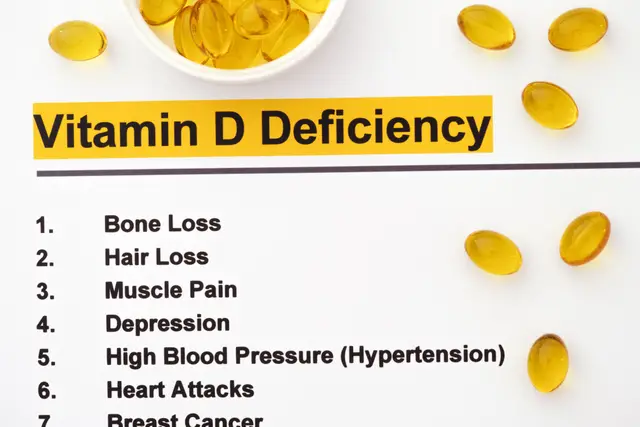
Vitamin D Deficiency
Also known as the sunshine vitamin, vitamin D is an essential nutrient that is naturally absorbed by the skin through exposure to sunlight. It can also be obtained from dietary sources and supplements.
December 30, 2024 · 3 min read
Beauty and Anti-Aging
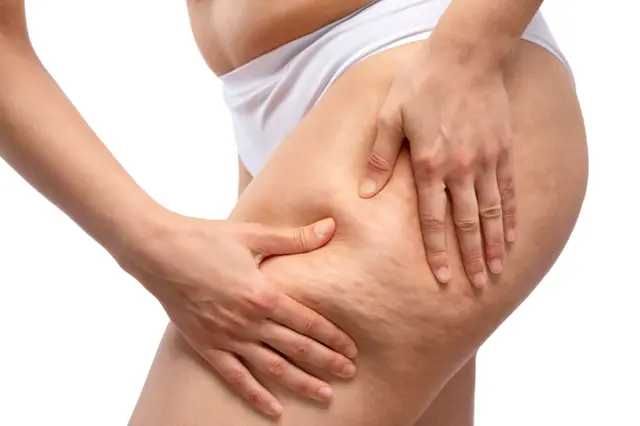
Cellulite
Cellulite appears with an orange peel or cottage cheese-like texture with a dimpled or lumpy skin surface. Mild cellulite is visible when you pinch the area with cellulite, like the thighs. Severe cellulite can make the…
August 13, 2024 · 3 min read


© 2026 Healthread
English · Español
Healthread does not provide medical advice, diagnosis or treatment. Always speak to a qualified clinician about your care.